 EN



How To Choose The Right Custom Mouth Guard For Sleeping For Teeth Grinding?
Choosing a custom mouth guard for sleeping is less about finding the thickest-looking appliance and more about matching the guard to your bite, grinding pattern, comfort needs, and dental history. A nighttime guard is commonly used to create a protective barrier between upper and lower teeth when a person clenches or grinds. It does not diagnose or cure the reason for grinding, so this guide focuses on product-selection questions and on the situations that deserve a dentist’s assessment.
If you wake with a tight jaw, sensitivity, a sore face, or a partner hears grinding, begin with the use case. A custom night guard may be a better conversation than a generic sports mouthguard, but the right option still depends on how you use it and what your teeth and jaw are doing overnight.
Start by separating protection from diagnosis
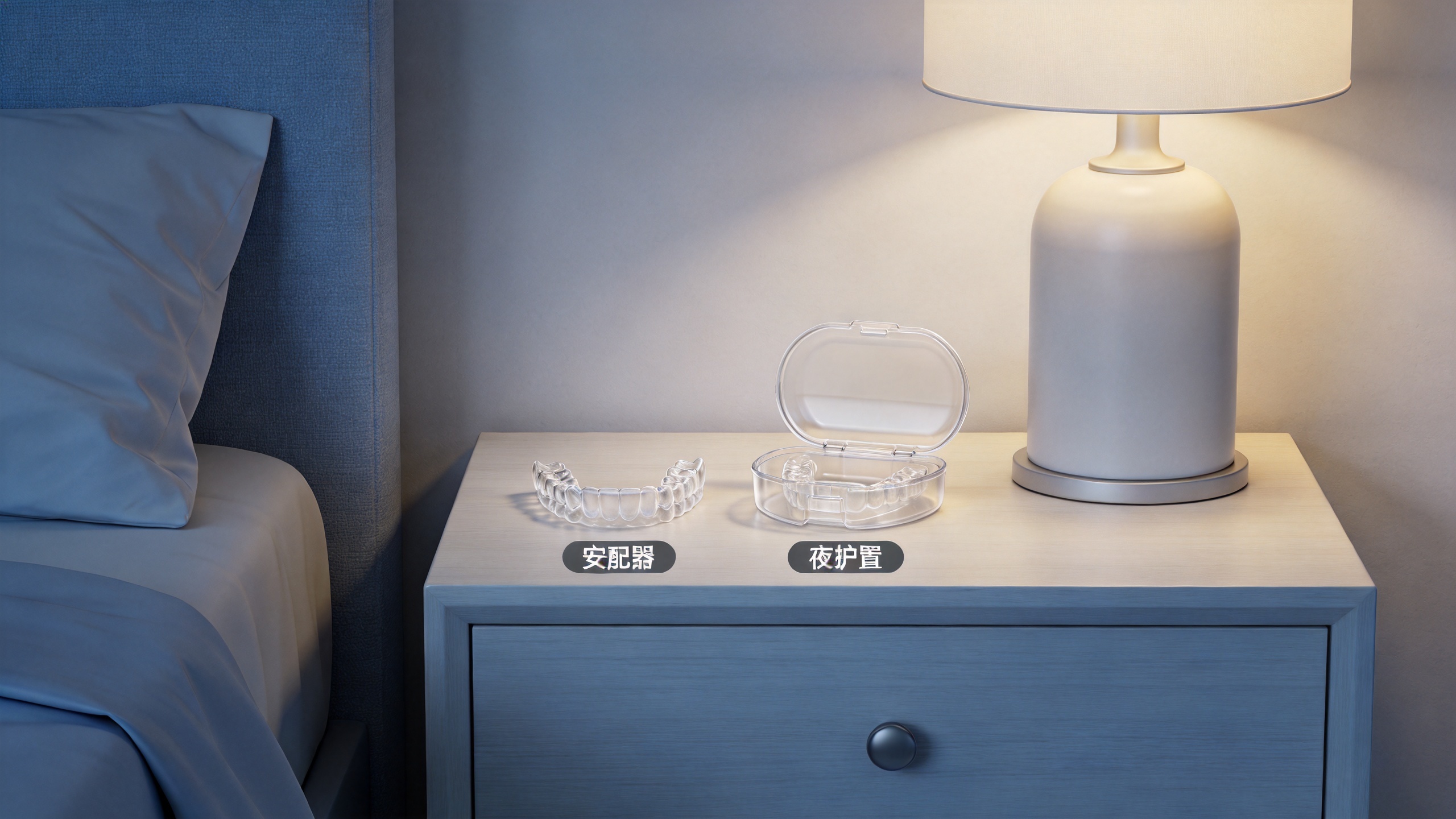
It is easy to treat every overnight appliance as the same thing. They are not. A guard intended for sleep is designed around tooth contact and retention; a sports guard is designed for impact protection; whitening trays serve another purpose entirely. More importantly, a custom mouth guard for sleeping is a protective device, not a substitute for evaluating a painful, changing, or damaged bite.
Public oral-health guidance describes bruxism as grinding or clenching, often during sleep. Worn or chipped teeth, exposed enamel, sensitivity, and jaw-muscle tightness are examples of signs worth discussing with a dentist. In that setting, an examination can help distinguish a simple guard-selection question from an issue involving tooth damage, restorations, jaw discomfort, or another condition that needs individualized care.
Use this five-part selection framework
1. Confirm how and when you grind
Ask practical questions before comparing products. Do you mostly clench with little visible wear, or do you grind side to side? Is the discomfort occasional or frequent? Have you noticed a cracked filling, a loose crown, new sensitivity, or morning headaches? You do not have to diagnose yourself to answer these questions; they simply help you explain your situation clearly when choosing a custom mouth guard for sleeping.
Frequent pain, a locking jaw, sudden bite changes, damaged teeth, or a guard that repeatedly feels wrong are reasons to pause the purchase decision and seek professional advice. General content cannot determine the correct appliance for those circumstances.
2. Prioritize fit and retention over a one-size-fits-all label
A well-fitting guard should stay in place without needing you to bite down constantly. It should cover the intended teeth evenly, avoid sharp edges, and feel stable when you speak briefly, swallow, or relax your jaw. The American Dental Association notes that a guard made from a dentist-created mold provides the closest and most comfortable fit. That does not mean every custom route is identical, but it explains why a precise impression or scan matters.
When reviewing a custom night guard, ask how the impression is obtained, whether the provider offers help if the fit is off, and what instructions apply if you have crowns, bridges, implants, orthodontic retainers, or changing dental work. A guard can only be judged after it is seated properly.
3. Match thickness and material to the decision—not a marketing promise
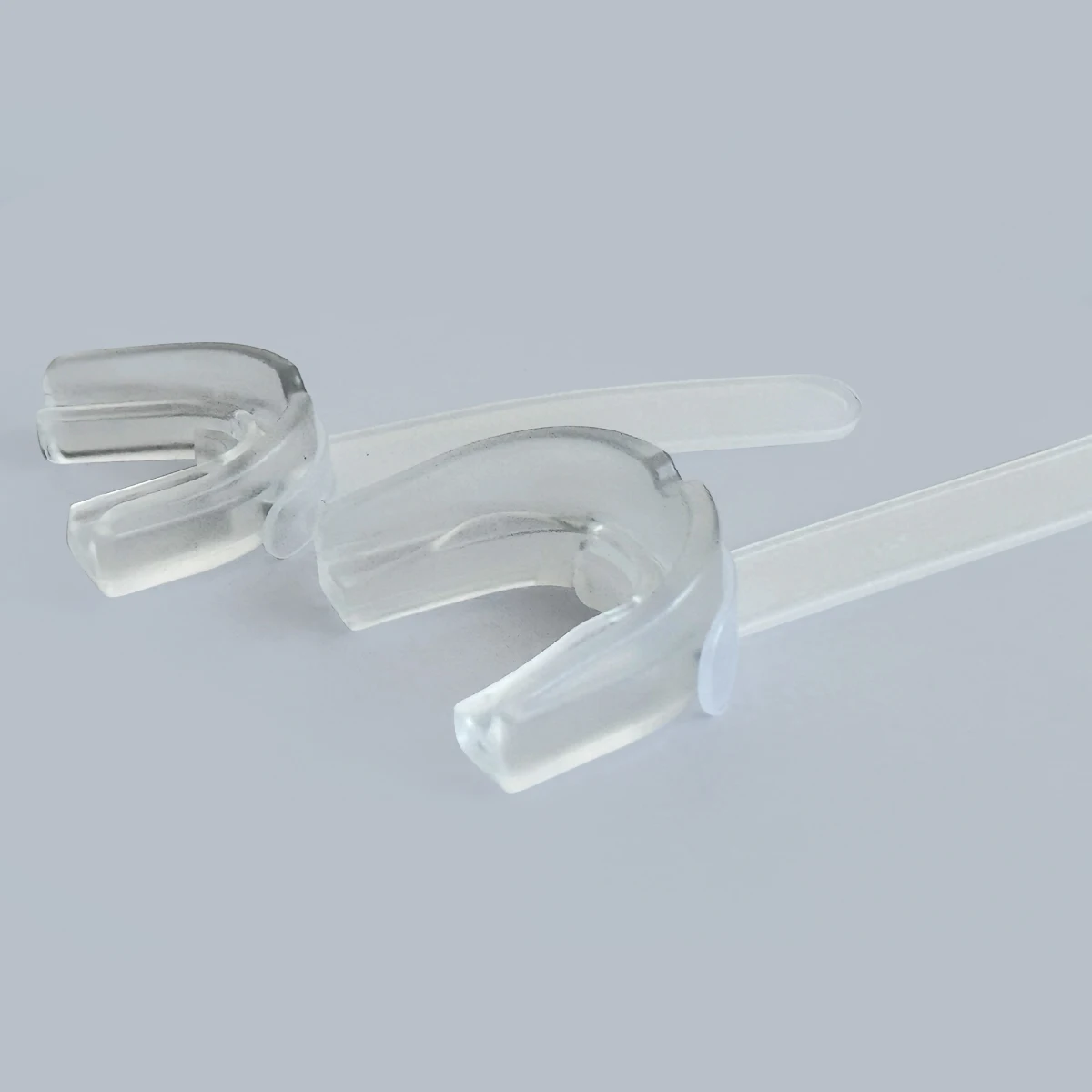
Guards are often described as soft, dual-laminate, or hard. Those labels are useful starting points, not universal prescriptions. Softer materials can feel more forgiving to some users, while a firmer design may be discussed when durability or a stable bite surface is important. The better question is: what material and thickness are appropriate for your level of grinding, comfort tolerance, dental work, and clinician’s guidance?
A dental night guard should also be made from a material intended for oral use and supplied with clear care guidance. If a seller makes a broad claim about medical outcomes, long-term durability, or suitability for every bite without explaining limitations, treat that as a cue to ask for more detail rather than as proof.
4. Check the coverage and bite design
Coverage is not merely a comfort detail. A guard needs a consistent fit on the teeth it is meant to cover, without interfering with existing dental restorations. Some people are told to wear an upper guard and others a lower guard; the right choice is individual. Rather than selecting based on a generic “upper versus lower” preference, confirm what works with your bite, retainers, restorations, and dental professional’s recommendation.
Pay attention during the first nights. New appliances can feel unfamiliar, but pressure points, gagging, persistent rubbing, a worsening bite sensation, or pain are not reasons to force yourself through an adjustment period. Contact the provider or a dentist for guidance.
5. Compare the full ownership experience
Price is only one part of the decision. Look at the impression method, fit-adjustment policy, material information, remaking process, cleaning instructions, storage case, and replacement guidance. A reusable night guard still needs regular inspection: heat, chewing damage, cracks, changes in fit, and persistent odor can all be prompts to follow the provider’s care instructions or request a review.
In other words, move from a product name to a decision relationship: the guard must fit your teeth, suit the intended nighttime use, and have a sensible path for follow-up if something changes.
Questions to ask before ordering
- Is this specifically intended as a custom mouth guard for sleeping, rather than for sports or cosmetic tray use?
- How is fit captured and what should I do if the finished guard is loose, tight, or uneven?
- What material and thickness options are available, and what information is needed to select among them?
- Should I get advice first because of crowns, implants, bridges, orthodontics, jaw pain, or recent dental work?
- What cleaning, storage, and replacement instructions come with the guard?
- What symptoms mean I should stop using it and contact a dentist?
When a generic guard may be the wrong next step
Convenience can be appealing, especially if you have only recently noticed grinding. Still, do not use an off-the-shelf purchase to delay attention to obvious damage or significant pain. NIDCR identifies tooth wear, chips or cracks, tooth sensitivity, and jaw soreness or tightness among signs associated with bruxism. A dentist can assess the teeth and jaw and advise whether a particular guard design is appropriate.
This boundary matters because “comfortable” is not the same as “appropriate.” A device that feels soft may not be right for your situation, and a device that feels firm may need adjustment. Avoid changing the guard yourself by trimming it, heating it, or continuing to wear it through persistent pain unless the provider’s instructions specifically direct you to do so.
A simple decision checklist
- Describe your symptoms and nighttime habits without assuming the cause.
- Check for dental factors that need professional input, including new damage or jaw symptoms.
- Choose a custom mouth guard for sleeping based on a reliable fit process and clear product information.
- Compare material, thickness, coverage, care, and follow-up support in the same frame.
- Use the guard as directed and request help if fit or symptoms change.
Final takeaway
The most suitable custom mouth guard for sleeping is not automatically the softest, hardest, or least expensive option. It is the one selected with a clear understanding of your bite, symptoms, dental history, and follow-up needs. Begin with protection and fit, keep health claims in perspective, and involve a dental professional when you have pain, damage, complex dental work, or uncertainty about what your symptoms mean.
This article provides general product information and is not a diagnosis or personal dental treatment recommendation.


 Hot News
