 EN



How Can High-Quality Night Guard For Teeth Clenching Prevent Sleep Bruxism Damage?
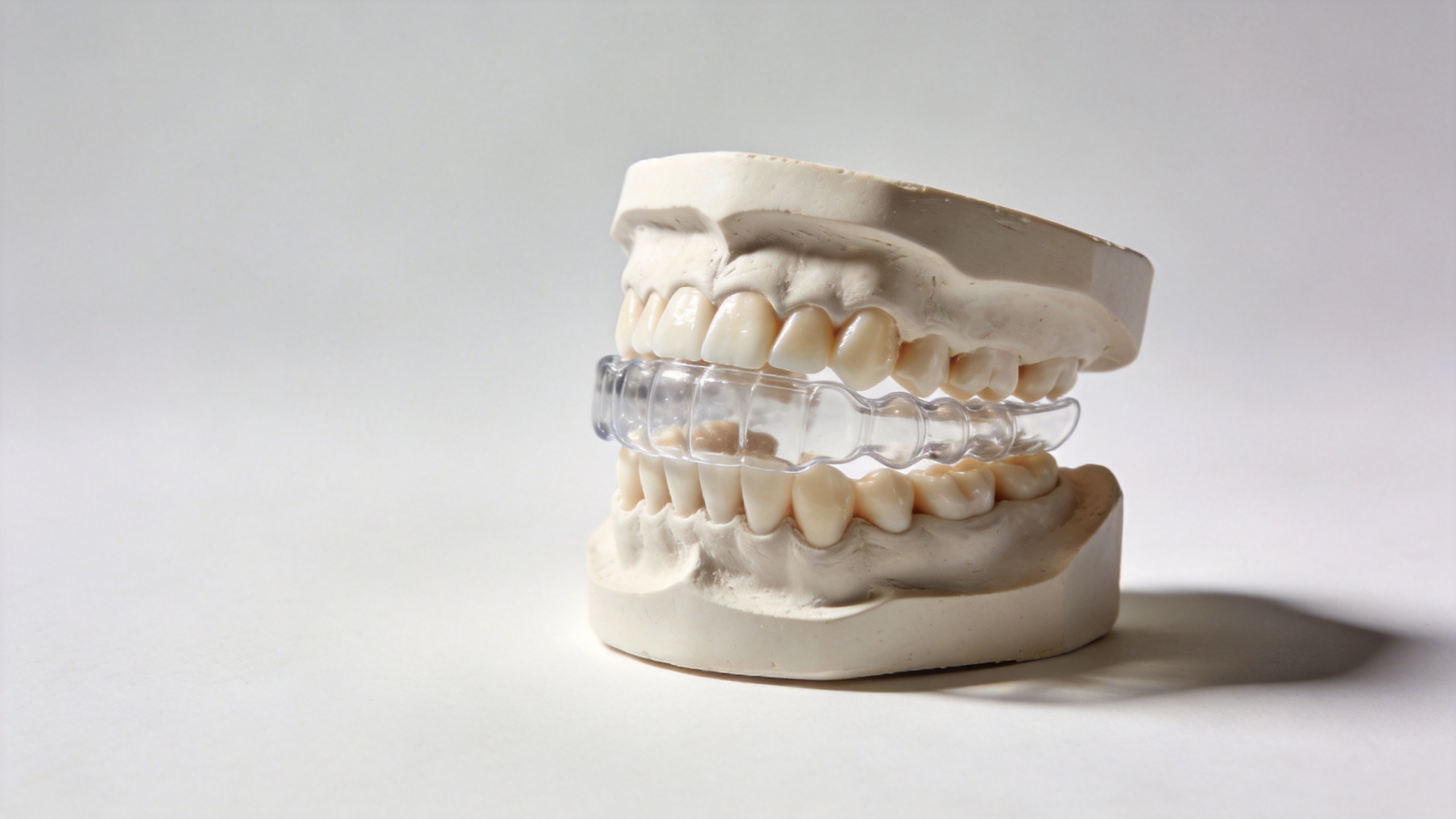
Waking with a tight jaw, sensitive teeth, or a dull morning headache can make people wonder whether nighttime clenching is doing lasting harm. A night guard for teeth clenching is designed to create a protective layer between the upper and lower teeth while you sleep. It does not diagnose or cure sleep bruxism, but a well-made guard can reduce direct tooth-on-tooth contact and help limit the wear and strain that repeated clenching may cause.
That distinction matters. Bruxism can include clenching, grinding, or gnashing the teeth, and it may occur while asleep. The National Institute of Dental and Craniofacial Research notes that severe cases can be associated with tooth damage, jaw discomfort, or headaches. This article explains the product role in everyday terms; persistent pain, broken teeth, or changes in your bite deserve assessment by a dentist or other qualified dental professional.
What a Night Guard Actually Does During Sleep
A night guard for teeth clenching works as a physical buffer. Instead of enamel surfaces repeatedly pressing and sliding against each other, the force is received through the appliance. That cushioning does not necessarily stop a person from clenching. Rather, it aims to reduce the direct contact that can contribute to worn edges, chips, or stress on restorations.
The American Dental Association’s consumer guidance notes that a dentist may recommend a night guard to protect teeth during sleep. In practical terms, a dental night guard separates the teeth and can give a clinician useful context when evaluating wear patterns and comfort over time.
Why Quality and Fit Matter More Than a Generic Label
Similar product names can be misleading. The more useful question is whether the appliance fits securely, remains tolerable across a full night, and suits the intended use. A loose, bulky, rough, or poorly balanced guard may be hard to wear consistently. It can also make it difficult to tell whether discomfort comes from the appliance, the underlying clenching, or another oral-health issue.
For that reason, choosing a night guard for teeth clenching should be less about a broad promise and more about fit, coverage, material instructions, and follow-up. A professionally fitted option may be appropriate when a person has significant wear, dental work, jaw symptoms, or an uncertain bite. An over-the-counter option may be convenient for some people, but it should not substitute for professional advice when symptoms are persistent or worsening.
How a Protective Barrier May Limit Bruxism-Related Damage
- Helps reduce enamel-on-enamel contact: The guard places material between opposing teeth, which can lessen direct rubbing during grinding episodes.
- May protect dental restorations: Crowns, veneers, fillings, and other dental work still need individual assessment, but a properly chosen guard can be part of a protection plan.
- Supports more consistent monitoring: Visible wear on a guard can give a dentist useful context when evaluating a clenching habit.
- Encourages a bedtime routine: Using and cleaning the guard nightly can make a person more aware of symptoms such as jaw fatigue, tooth sensitivity, or poor sleep.
These are protective functions, not guarantees. A night guard does not address every factor associated with sleep bruxism, and it should not be presented as a universal treatment for jaw disorders, sleep conditions, or dental pain.
What to Look For in a High-Quality Guard
When comparing a night guard for teeth clenching, start with information that can be verified rather than marketing language. Ask how the fit is obtained, which teeth the guard covers, what material is used, and how cleaning and replacement should be handled. If the description only promises “maximum comfort” without clear use and care information, pause and ask for more detail.
| Question to ask | Why it matters |
|---|---|
| How is the fit established? | A stable fit can support consistent wear and reduce unnecessary movement during sleep. |
| Is the material and care guidance clear? | Clear instructions help users clean, store, and inspect the guard appropriately. |
| What symptoms call for professional review? | A guard should be part of a plan, not a reason to ignore pain, fractures, or bite changes. |
| Is the product intended for nighttime clenching rather than sports? | Sports guards and sleep guards serve different use scenarios and should not be assumed to be interchangeable. |
When a Dental Evaluation Is Especially Important
Do not rely on a night guard for teeth clenching alone if you have a cracked or loose tooth, repeated facial pain, a sudden bite change, bleeding gums, severe sensitivity, or frequent morning headaches. These signs do not identify a cause by themselves, but they are good reasons to arrange dental advice. A dentist can check for wear, evaluate restorations, and help determine whether a custom approach or additional care is appropriate.
It is also worth discussing sleep quality. Nighttime clenching may occur alongside stress, medication effects, or sleep-related concerns. A guard can protect tooth surfaces while those factors are explored, but it is not a replacement for an individualized evaluation.
Using and Caring for a Dental Night Guard
- Follow the fitting and wear directions supplied for the specific guard.
- Rinse it after use and clean it with the method recommended by the manufacturer or your dental professional.
- Store it in a clean, ventilated case away from heat.
- Inspect it regularly for cracks, sharp edges, distortion, or changes in fit.
- Bring it to dental appointments if you notice symptoms or think the fit has changed.
These habits are practical, but they do not replace professional guidance. If a guard causes soreness, feels unstable, or changes how your teeth meet, stop assuming that you simply need to “get used to it” and ask a dental professional for advice.
The Bottom Line
A high-quality night guard for teeth clenching can help prevent some sleep-bruxism damage by separating the teeth and reducing direct contact while you sleep. Its usefulness depends on appropriate fit, clear care instructions, and realistic expectations. A custom night guard or another well-chosen option is protective equipment. It is not a diagnosis, a cure, or a reason to postpone help for ongoing pain or tooth damage.


 Hot News
