 EN



Effective And Comfortable Silicone Nasal Dilator For Wholesale & Distribution
For a distributor, a silicone nasal dilator is not simply a small sleep-accessory SKU. It is a health-adjacent product that needs clear positioning, careful product documentation, and a fit story a reseller can explain without making promises it cannot support. From a wholesale buyer’s perspective, the useful question is not “Does this silicone nasal dilator look comfortable?” It is “Can the supplier substantiate the material, size, use instructions, packaging, and permitted claims for the channels we serve?”
That distinction matters because buyers commonly compare internal dilators with adhesive strips and look for straightforward information about fit, flexibility, and nighttime use. Yet retail copy often skips the operational details that wholesalers, marketplaces, pharmacies, and clinic-facing sellers need. A well-prepared silicone nasal dilator range should make those details easy to review before a purchase order is placed.
Start With the Intended Use, Not a Broad Promise
A silicone nasal dilator is generally positioned as an internal device intended to support nasal airflow by gently holding the nostril area open. That product description is not the same as a medical diagnosis, a treatment claim, or a guarantee of better sleep. For distribution, keeping those categories separate protects the listing, the reseller, and the end user.
Ask the supplier to state the intended use in plain language: where the silicone nasal dilator sits, how it is inserted and removed, who should review it with a healthcare professional, and when a consumer should stop using it. If the planned sales copy mentions snoring, congestion, sleep, or breathing, request the evidence and market-specific review behind each statement. Do not turn a general product concept into a claim that the available documentation does not support.
In practice, distributors often get a better result by selling a clearly described silicone nasal dilator as a comfort-and-fit product with defined instructions than by relying on dramatic outcome language. The first approach is easier to translate across marketplace listings, pharmacy discussions, and customer-service scripts.
What Makes a Silicone Nasal Dilator Comfortable?
Comfort is a combination of geometry, material behavior, surface finish, and correct fit. Silicone is widely considered because it can be soft and flexible, but “silicone” alone does not establish that a particular silicone nasal dilator is comfortable, odor-free, skin-contact appropriate, or suitable for every user. Those are product-specific questions.
Before adding a silicone nasal dilator to a wholesale assortment, request a sample set and review the following points:
- Contact material: Obtain the material declaration, colorant information where relevant, and any available testing or compliance documents for the sales market.
- Edge treatment: Check that contact edges appear smooth and that the product has no obvious flash, sharp points, or strong residual odor.
- Flex and recovery: Confirm how the design flexes during insertion and whether it returns to its intended form after normal handling.
- Size logic: Determine whether the silicone nasal dilator is offered in sizes, whether sizing is visibly marked, and how a buyer is expected to select a fit.
- Cleaning guidance: Ask for validated care instructions, storage guidance, and a replacement recommendation that the supplier can document.
Here it helps to correct a common shortcut: a softer product is not automatically a better fit. A silicone nasal dilator still needs enough structural stability to retain its intended shape, while excessive pressure can make a user discontinue use. That balance should be assessed through samples and documented specifications, not inferred from a catalog photograph.
Build a Wholesale Specification Sheet That Resellers Can Use
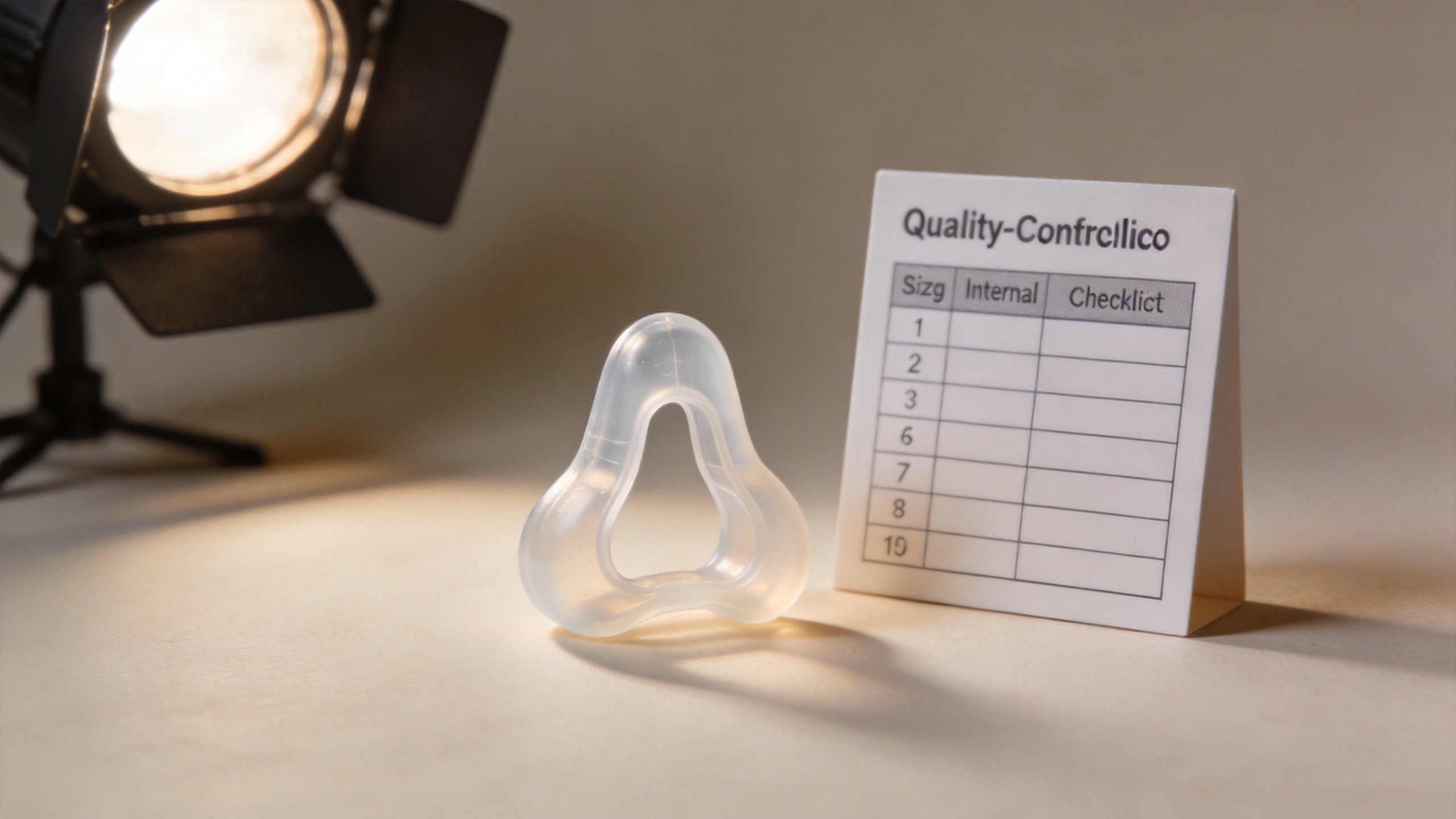
A useful wholesale paperwork set turns a vague request for a silicone nasal dilator into a manageable checklist. Begin with a product identifier, variant or size code, unit dimensions, unit weight, material declaration, color options, and clear images of the actual item. Then add the information that affects downstream operations: individual packaging, instruction leaflet language, carton quantity, barcode readiness, lot or traceability format, storage conditions, and lead-time terms.
For online channels, the product page should distinguish verified facts from optional marketing language. A seller may be able to say that an internal silicone nasal dilator is designed for a stated use when the instructions support it. The seller should not state that it resolves a medical condition, fits everyone, or produces a uniform sleep result unless the supplier provides suitable, market-appropriate evidence.
Documentation also reduces avoidable returns. A simple size guide, insertion illustration, cleaning note, and “do not use if damaged or uncomfortable” statement can answer the basic questions before the buyer opens the package. Your target may be pharmacy display, clinic communication, or ecommerce listing; each channel changes the order of the information, but not the need for consistency.
Evaluate Samples Like a Distributor
A sample review should go beyond deciding whether a silicone nasal dilator looks acceptable on a desk. Create a repeatable evaluation sheet so that different team members record the same observations. Review the packaging seal, label readability, instructions, finish, variant identification, and product count. If your market requires specific claims, symbols, or language, flag those before artwork approval.
Next, review the customer journey. Can a first-time user understand which size to try? Is the silicone nasal dilator easy to distinguish from unrelated sleep accessories? Are cleaning directions legible? Does the product description explain boundaries rather than imply professional medical advice? These questions can feel less exciting than a headline benefit, but they often determine whether the product is practical to distribute at scale.
It is also sensible to keep feedback categories separate. Packaging damage, sizing confusion, odor complaints, insertion difficulty, and unsupported claim complaints should not be collapsed into one “quality issue” field. A distributor can then ask the supplier for a targeted corrective action rather than guessing at the root cause.
Plan Packaging and Claims for Each Sales Channel
A silicone nasal dilator for a marketplace listing may need clean photography, concise instructions, and variation data. A pharmacy buyer may prioritize label clarity, consumer warnings, and reliable replenishment. A clinic-facing distributor may need a more detailed product-information sheet that clearly says it does not replace individual assessment. The underlying product record should stay aligned across all three.
Use a claims-review gate before launch. Match every statement about material, reuse, comfort, fit, airflow, snoring, or sleep to a supplier document or an approved marketing review. If a point is not verified, write it as a question for the supplier—not as sales copy. This approach is especially important for a silicone nasal dilator because health-adjacent wording can be interpreted more strongly than intended.
For private-label projects, request approval of final artwork, instructions, and translated text before mass production. Confirm which party owns version control, how revisions are dated, and whether carton marks match the finished retail pack. Those ordinary checks can prevent a messy handoff later and keep consumer-facing messages aligned.
A Practical Supplier Question List
- What is the exact material composition of the silicone nasal dilator, and which documents support it?
- Which sizes, colors, or variants are available, and how is each one identified on the pack?
- What are the insertion, removal, cleaning, storage, and replacement instructions?
- Which statements about comfort, fit, airflow, snoring, or sleep are approved for each target market?
- What packaging, labeling, barcode, carton, and traceability information is available?
- What sample, inspection, and artwork-approval process applies before a bulk order?
Choose a Distribution-Ready Silicone Nasal Dilator
An effective and comfortable silicone nasal dilator is more usefully evaluated as a complete distribution package: a clearly defined item, a plausible fit strategy, readable instructions, controlled claims, and documentation that can travel with the product. Price still matters, of course, but the lowest unit price can create more work if a team later has to resolve missing specifications, unclear packaging, or inconsistent listings.
Start with the intended channel and ask for evidence before promising outcomes. When the material, sizing, finish, packaging, and instructions are all confirmed, a silicone nasal dilator becomes easier to position responsibly for wholesale and distribution. When information is incomplete, pause the launch and request the missing records. That is usually the more comfortable path for both the reseller and the customer.



 Hot News
