 EN



Why Is A Custom-Fit Mouth Guards Professional Crucial For Nighttime Protection?
Choosing a mouth guards professional solution for nighttime use is not simply a matter of buying a thicker guard. A night appliance sits over the teeth for hours, when you cannot notice a pressure point, a loose edge, or a change in how your teeth meet. That is why a custom-fit option deserves a more careful conversation about fit, purpose, materials, and professional review.
This article discusses product-selection information, not a diagnosis or a substitute for dental advice. If you have jaw pain, damaged teeth, breathing concerns, loose dental work, or a sudden change in your bite, a dental professional should assess the situation. A mouth guards professional approach is most useful when it helps you ask better questions rather than promise one universal result.
Nighttime protection has a different job from a sports mouthguard
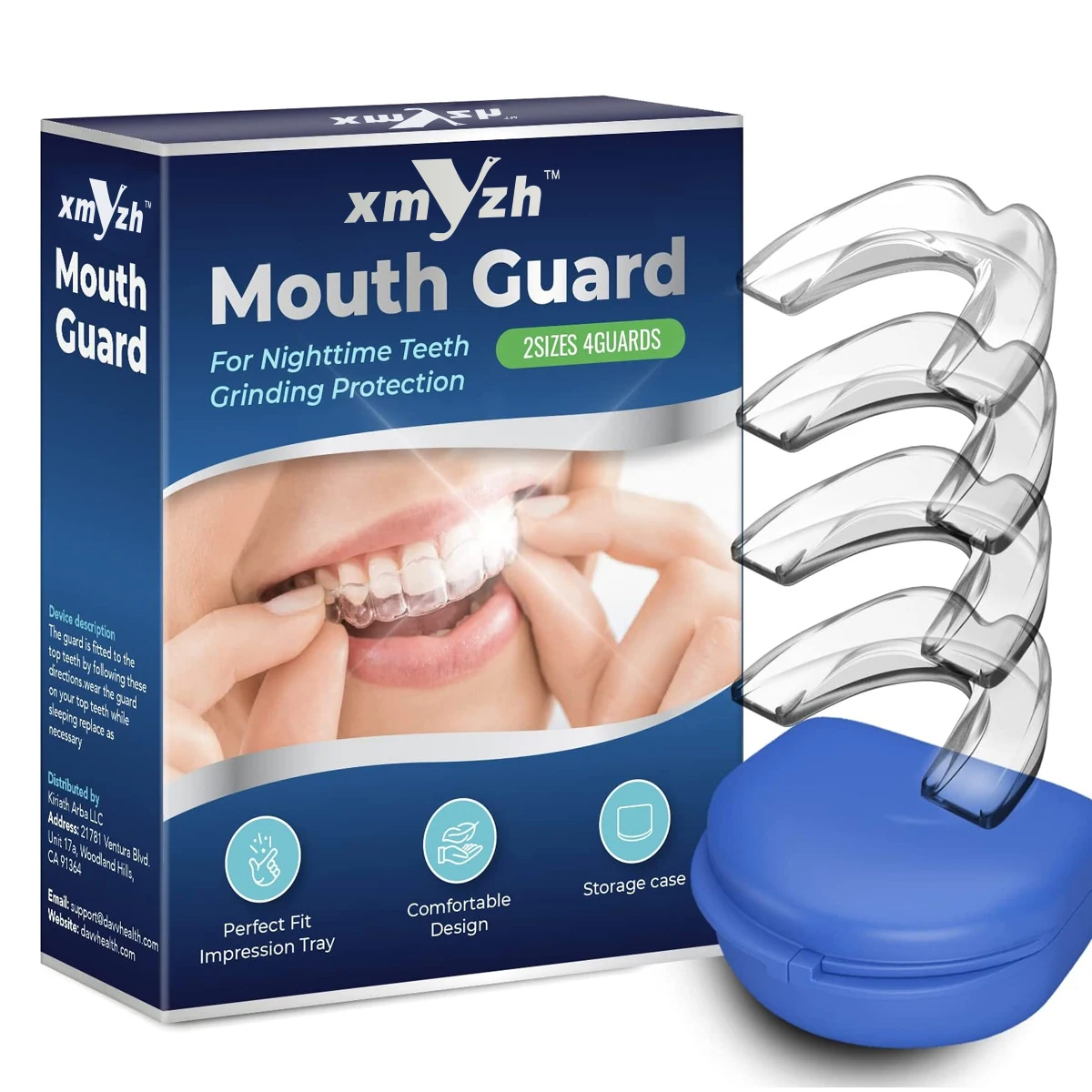
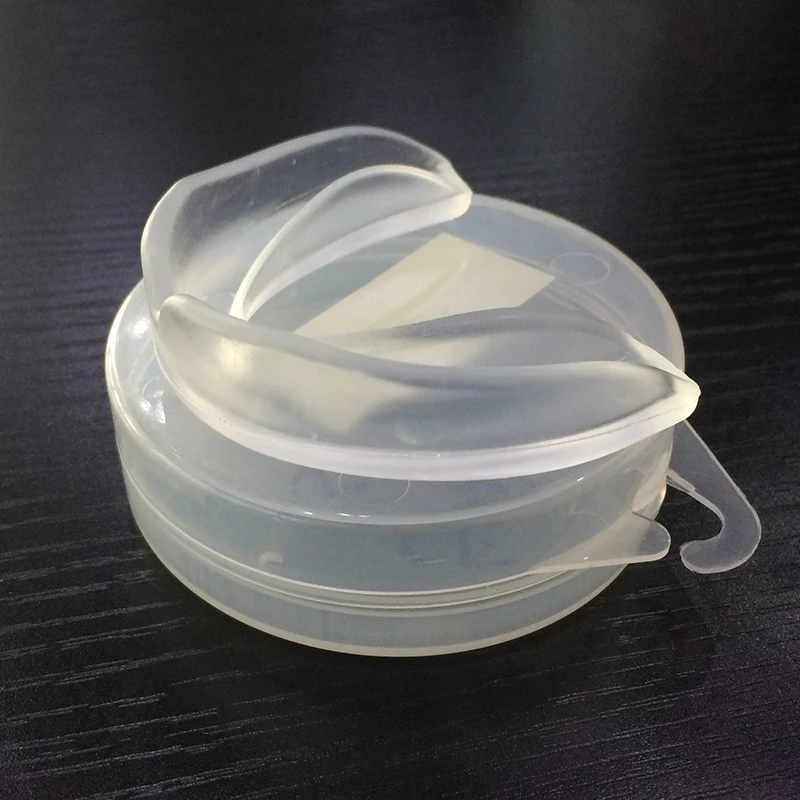
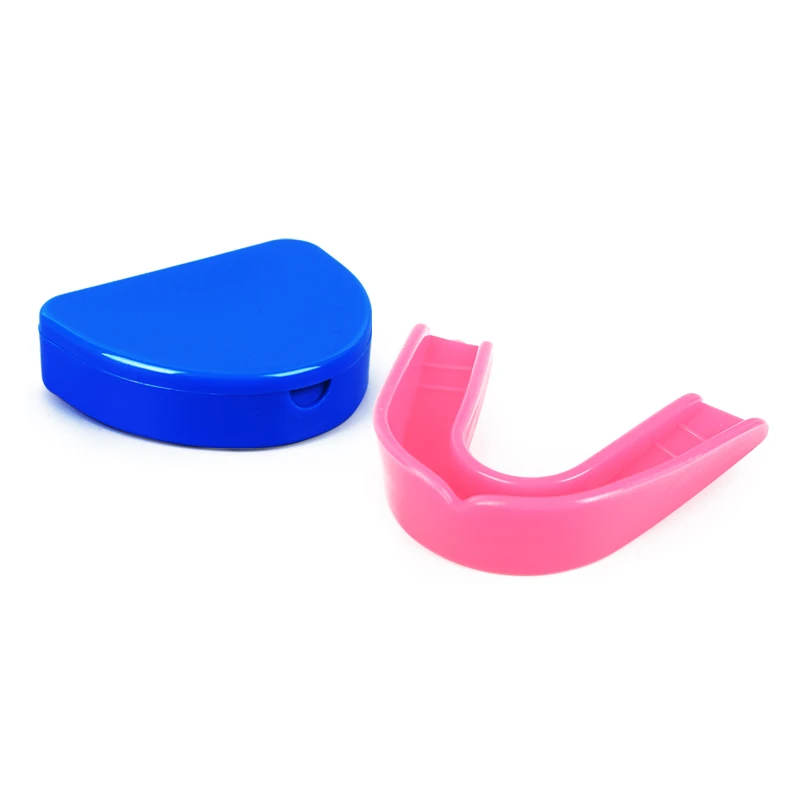
The phrase mouth guards professional can mean different things in different settings. A sports mouthguard is intended to help protect against impact. A nighttime guard, often called an occlusal guard or night guard, is typically considered when someone clenches or grinds during sleep. The two products may look broadly similar, but they should not be treated as interchangeable just because both cover teeth.
Proper fit matters in either category. The American Dental Association notes that properly fitted mouthguards can offer stronger protection against the incidence and severity of sports-related dental injuries. That does not turn a nighttime guard into a medical cure, but it reinforces a practical lesson: fit is part of function. For a mouth guards professional conversation, the intended use comes before the price comparison.
Why a custom fit matters when you are asleep
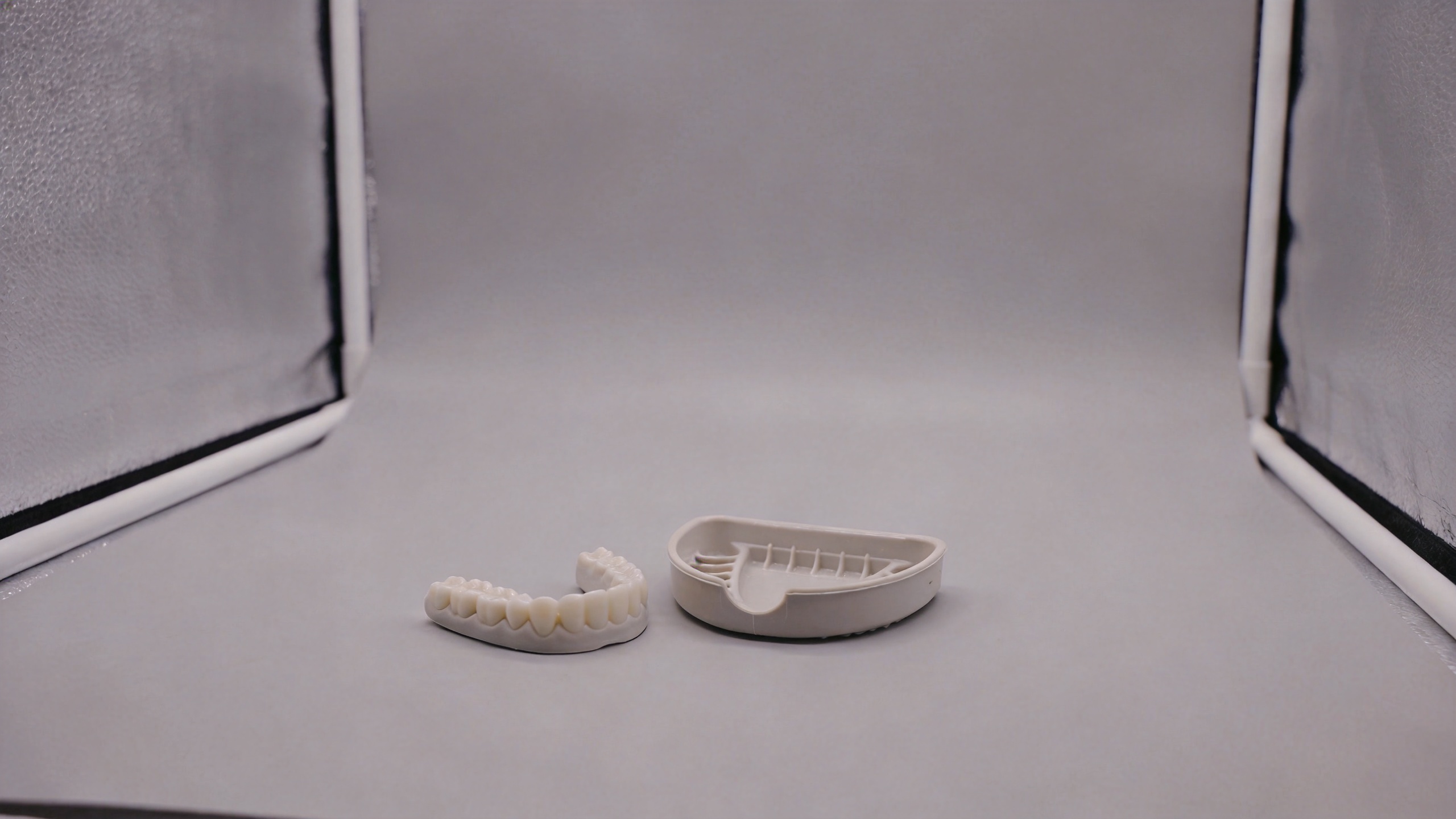
During the day, you can remove an uncomfortable appliance right away. At night, you may not notice rubbing, shifting, or excessive bulk until the morning. A custom-fit mouth guards professional option is designed around your own dental anatomy, which can improve retention and comfort compared with a generic shape. Cleveland Clinic similarly explains that dentist-created custom mouth guards are designed to fit exact dental anatomy and tend to be more comfortable than store-bought versions.
Comfort should not be dismissed as a cosmetic preference. If a guard feels loose, bulky, or difficult to keep in place, consistent use can become harder. Conversely, “comfortable” does not prove that a guard is appropriate for every person. A mouth guards professional review should consider how the appliance fits, how your teeth contact through it, and whether the design matches the reason it is being used.
Professional assessment adds a bite-focused check
A major difference between an off-the-shelf purchase and a mouth guards professional pathway is the chance to review your bite and oral condition. A clinician may identify factors that are not visible in a product listing, such as restorations, tooth movement, gum sensitivity, or signs that warrant further evaluation. The goal is not to overstate what an appliance can do. It is to avoid treating a generic guard as a complete answer when the underlying issue may need attention.
This boundary is especially important for nighttime symptoms. Teeth grinding, jaw soreness, headaches, snoring, and sleep disruption can have different causes. A mouth guards professional consultation can help separate product questions from clinical questions. If a person is concerned about possible sleep apnea or persistent pain, relying on general online content alone is not a sensible next step.
What to ask before choosing a nighttime guard
Rather than asking only, “What is the factory price?”, use a short checklist. A good mouth guards professional discussion should make room for these questions:
- Is this appliance intended for nighttime clenching or grinding, sports impact, or another purpose?
- How is the fit created and checked against my individual teeth and bite?
- What material and thickness information is available for this intended use?
- What cleaning, storage, and replacement guidance comes with the guard?
- Which symptoms or changes mean I should contact a dental professional rather than keep adjusting the guard myself?
These questions also improve purchasing communication. A low factory price can be relevant for a distributor or private-label buyer, but it is only one cost input. Sampling, fit verification, packaging information, and post-sale instructions can matter as much as the unit quote. A mouth guards professional standard means comparing like with like, not assuming that two guards serve the same nighttime need.
OEM/ODM discussions need clear product boundaries
For wholesalers, clinics, pharmacies, and e-commerce teams, OEM/ODM planning should start with clear claims and a clear audience. A mouth guards professional product brief can specify whether the item is a general protective mouthguard, a night-use appliance, or a product that requires professional fitting. It should also identify which statements are documented and which need review before publication.
Do not use broad language such as “works for everyone” or “stops all grinding.” Those statements can create avoidable safety and compliance problems. A better mouth guards professional description explains the intended use, asks users to follow fitting and care directions, and advises professional evaluation where symptoms, dental restorations, or sleep-related concerns are involved.
Signs that a generic guard may not be enough
A store-bought guard may be a starting point for a general consumer conversation, but some situations call for more caution. Consider a mouth guards professional evaluation if the guard repeatedly falls out, causes pressure or pain, changes how your teeth meet, aggravates jaw symptoms, damages easily, or cannot be worn comfortably through the night. The same applies when there are crowns, bridges, implants, orthodontic appliances, or uncertain symptoms.
This is not a reason to panic or assume a serious condition. It is simply an example of moving from a product name to the actual use situation. When the fit, bite, and health context are unclear, a mouth guards professional review is more responsible than repeated trial-and-error purchases.
A practical decision path for nighttime protection
- Define the nighttime concern without self-diagnosing it.
- Separate a sports mouthguard from a night guard intended for occlusal protection.
- Ask how the appliance will be fitted, checked, cleaned, and replaced.
- Escalate persistent pain, bite changes, damaged teeth, or sleep concerns to a dental professional.
In short, a custom-fit mouth guards professional option is crucial because nighttime protection depends on more than having material between the teeth. Individual fit, retention, bite considerations, clear instructions, and appropriate professional boundaries all shape whether a guard is practical to use. The strongest choice is not the loudest claim or the lowest quote; it is the option whose purpose and fitting process can be clearly verified.
Frequently asked questions
When might a custom night guard be appropriate?
Not every person needs the same type of appliance. A mouth guards professional can help determine whether a custom solution and assessment make sense for your circumstances, especially if you have symptoms, dental work, or fit problems.
Can an OEM/ODM supplier make a nighttime mouthguard?
OEM/ODM production can support a product program, but product claims, fitting instructions, intended-use language, and applicable requirements should be verified for the target market. A mouth guards professional positioning should not be used to imply unverified clinical outcomes.

 Hot News
