 EN



How To Choose The Right Sleeping Aid Mouth Guard For Teeth Grinding?
Choosing a sleeping aid mouth guard is not simply a matter of picking the thickest option in a listing. A nighttime guard may help create a protective barrier between teeth for people who clench or grind while asleep, but it is not a diagnosis or a cure for every sleep-related concern. The useful question is: which design gives you a stable, comfortable fit while leaving room to seek dental advice when your symptoms call for it?
If you wake with tooth sensitivity, a tired jaw, headaches, or a partner hears grinding, start by noticing the pattern rather than making assumptions. Sleep bruxism means clenching or grinding during sleep, and persistent symptoms deserve professional attention. A guard can be part of a protection plan; it does not replace assessment of underlying stress, bite changes, or possible sleep issues.
First, make sure a mouth guard is the right category
At a glance, several oral appliances can look alike. They are not interchangeable. A sports mouth guard is intended for impact protection, while an anti-snoring device is designed around airway or jaw-position goals. A sleeping aid mouth guard for teeth grinding is generally chosen to help separate upper and lower teeth during sleep. Here it helps to separate product purpose, specification details, and your own health situation: they are not the same thing.
Do not choose a guard because it promises to solve snoring, sleep apnea, jaw clicking, or every headache. Mayo Clinic notes that people who grind or clench in their sleep can also have sleep concerns such as snoring or pauses in breathing. If you notice breathing pauses, severe daytime sleepiness, a loose or changing bite, cracked teeth, marked jaw pain, or symptoms that worsen, contact a dentist or an appropriate healthcare professional before relying on a guard alone.
Use this five-point selection checklist
1. Put fit ahead of generic thickness claims
A guard that shifts, pinches, or makes it hard to close naturally is unlikely to be comfortable enough for consistent use. A well-fitting option should cover the intended teeth without sharp edges or excessive bulk. Stock boil-and-bite styles can be a starting point for some adults, but they demand careful molding. A dentist-made appliance is worth discussing when you have significant wear, restorations, orthodontic work, recurring pain, or an uncertain bite.
For a custom sleeping mouth guard, ask how the impression or scan is taken, whether the trim line can be adjusted, and what happens if the fit is poor. “Custom” should describe a process, not just a marketing label.
2. Match material and thickness to your pattern
Soft, flexible guards can feel less intrusive at first. Firmer materials may be selected for people who apply heavier forces, while layered designs aim to balance comfort and durability. There is no universal choice. The sensible choice depends on your grinding intensity, tooth condition, comfort tolerance, and the recommendations of a dental professional who can examine your mouth.
Be cautious with claims that a particular millimeter measurement works for everyone. Manufacturers and clinicians may use different material systems, and thickness alone does not tell you how a guard will fit or wear. Ask for the material description, cleaning instructions, and intended use instead of treating a single number as proof of quality.
3. Check the coverage and retention
Before purchasing, confirm whether the design is meant for upper or lower teeth and whether it is full-arch or partial coverage. A partial guard may be appropriate only in specific circumstances; using an unsuitable design for long periods can be a reason to get professional guidance. The guard should remain in place without requiring you to bite down continuously to hold it there.
When comparing a custom night guard with a generic model, look for practical details: clear fit instructions, a way to report fit issues, and care information. A product page that explains only color choices and not fitting or maintenance leaves an important gap.
4. Consider your dental history before self-selecting
Dental crowns, bridges, implants, loose teeth, gum problems, braces, and recent dental treatment all change the selection conversation. So can frequent jaw locking, a major change in how your teeth meet, or pain that travels toward the ear. These are not reasons to panic; they are reasons not to guess.
The National Institute of Dental and Craniofacial Research identifies damaged teeth, jaw pain or tiredness, and headache as potential consequences when bruxism is severe. If you already see chips, flattening, or sensitivity, arrange a dental visit. A clinician can help distinguish wear protection from treatment for a broader condition.
5. Plan for hygiene and replacement
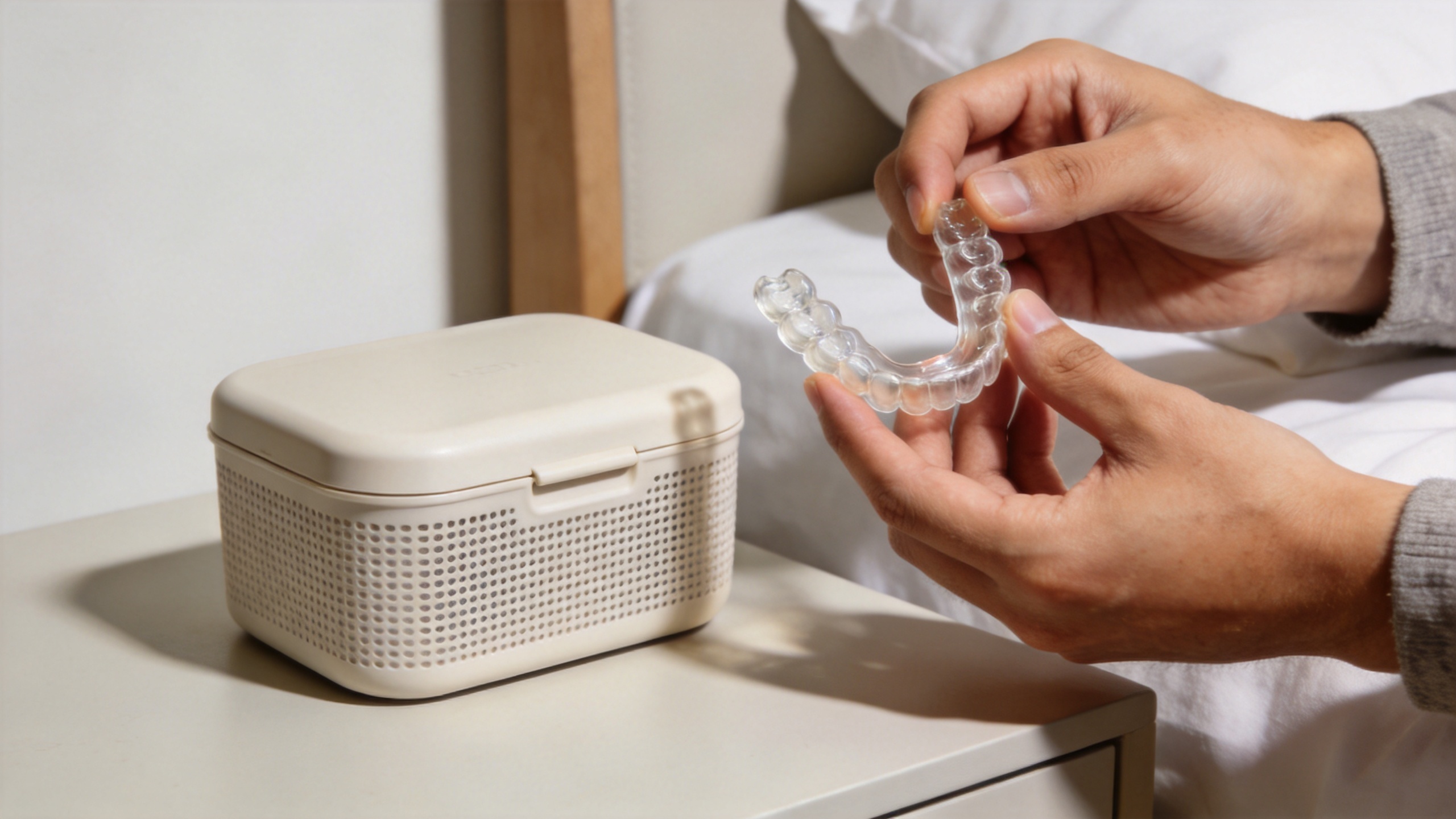
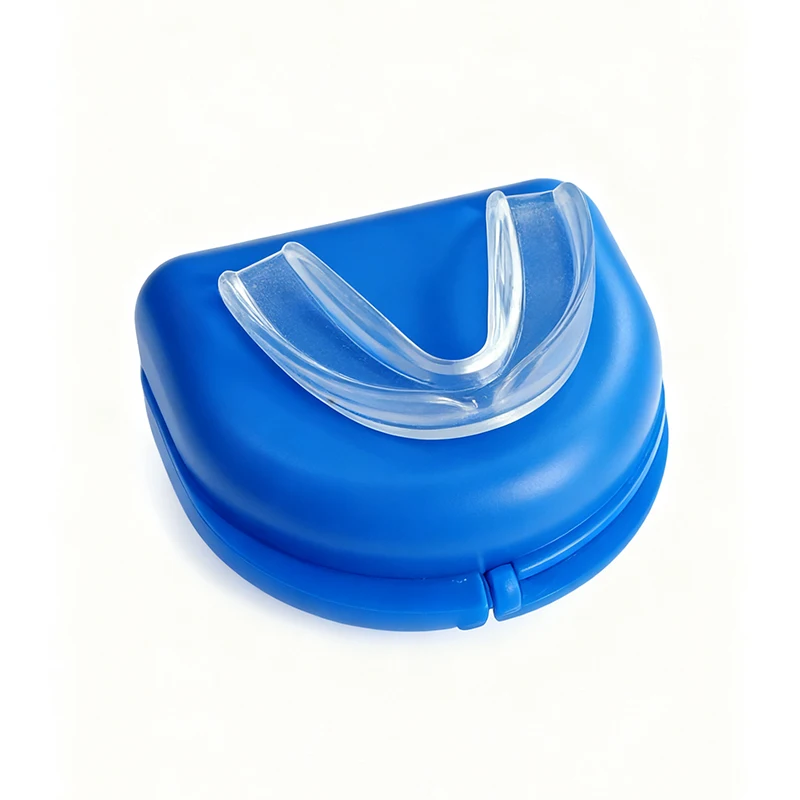
A sleeping aid mouth guard needs a routine: rinse it after use, clean it as directed, let it dry fully in a ventilated case, and keep it away from hot water unless the instructions specifically permit it. Inspect it regularly for cracks, rough edges, odor that remains after cleaning, or a change in fit. Replace it when it is worn or no longer fits as intended.
Do not share a guard, and do not keep using one that causes new pain, gum irritation, or bite changes. Those signals call for a pause and professional advice rather than more forceful wear-in attempts.
A quick comparison: over-the-counter, custom, and dentist-guided options
| Option | May suit | Questions to ask |
|---|---|---|
| Stock or boil-and-bite guard | Adults seeking a basic, temporary starting point with no complex dental concerns | Does it stay in place? Can it be molded safely? Is it comfortable enough to use consistently? |
| Custom sleeping mouth guard | People prioritizing a personalized fit and a clearer fitting process | How is the fit created, adjusted, cleaned, and supported after purchase? |
| Dentist-guided guard | People with pain, restorations, marked wear, bite changes, or unresolved symptoms | What is the appliance intended to protect, and what follow-up is needed? |
The table is a decision aid, not medical direction. Your goal is to match the appliance to your situation and confirm the information you need before purchasing.
Questions to ask before you buy
- Is this product intended for nighttime teeth grinding rather than sports impact or snoring management?
- Which arch does it cover, and how should it stay in place?
- What material is used, and what cleaning method does the maker specify?
- What should I do if the guard feels loose, painful, or changes my bite?
- Do my dental history or symptoms make a dentist-made option more appropriate?
The bottom line
The right sleeping aid mouth guard is one that fits its stated purpose, stays comfortable and stable, and comes with clear care and support information. Choose fit and safety over exaggerated promises. If you have ongoing pain, visible tooth damage, breathing-related sleep concerns, or a changing bite, seek professional advice instead of treating a guard as a complete solution. This article is for general product education and does not replace advice from a dentist or other qualified professional.



 Hot News
