 EN



Why Is A Custom-Fit Dental Mouth Guard Crucial For Nighttime Protection?
When clenching or grinding happens during sleep, it is easy to focus on the noise, a sore jaw, or a worn tooth and overlook the practical question: does the device stay where it should? A dental mouth guard for nighttime use is intended to create a protective barrier between the teeth. Its value is not a promise to diagnose or cure a sleep-related condition. It is the quality of the fit, the way it remains seated, and the way it supports a sensible conversation with a dental professional when symptoms need attention.
For a clinic, pharmacy, online seller, or buyer reviewing factory price and wholesale options, the same rule applies: a guard should be evaluated as a fit-sensitive oral product, not as a generic one-size item. A custom-fit dental mouth guard is crucial because nighttime protection depends on stable contact and wearer comfort over many hours.
Nighttime protection starts with a stable dental mouth guard
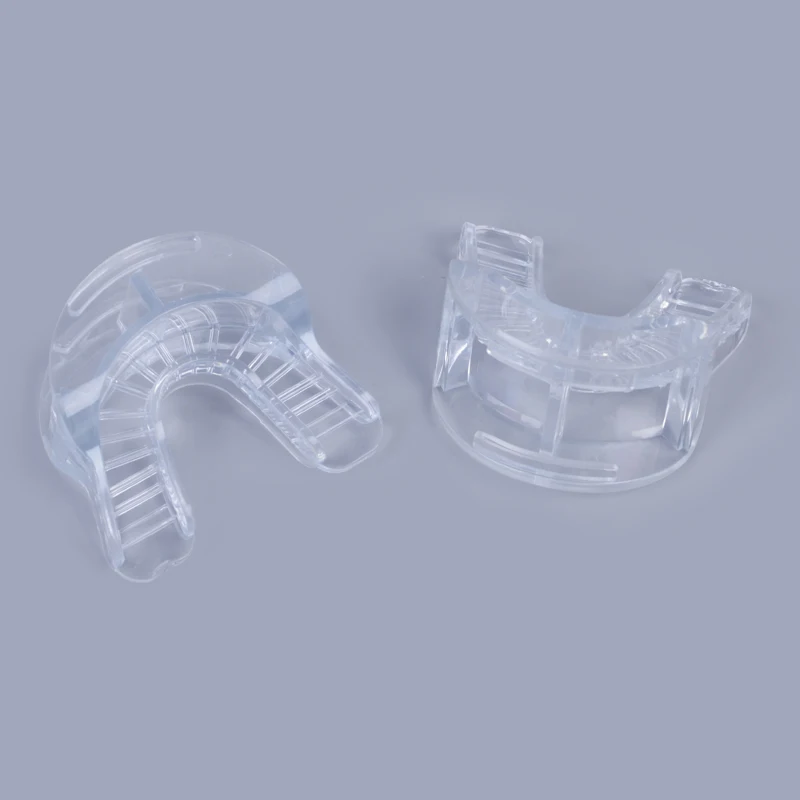
During the day, a wearer can notice discomfort and remove a poorly fitting tray. At night, the situation is different. A dental mouth guard that shifts, feels bulky, or has rough edges may be less likely to be worn consistently. A custom-fit approach begins with the individual tooth shape and bite relationship, which helps the guard sit more predictably than an unshaped blank.
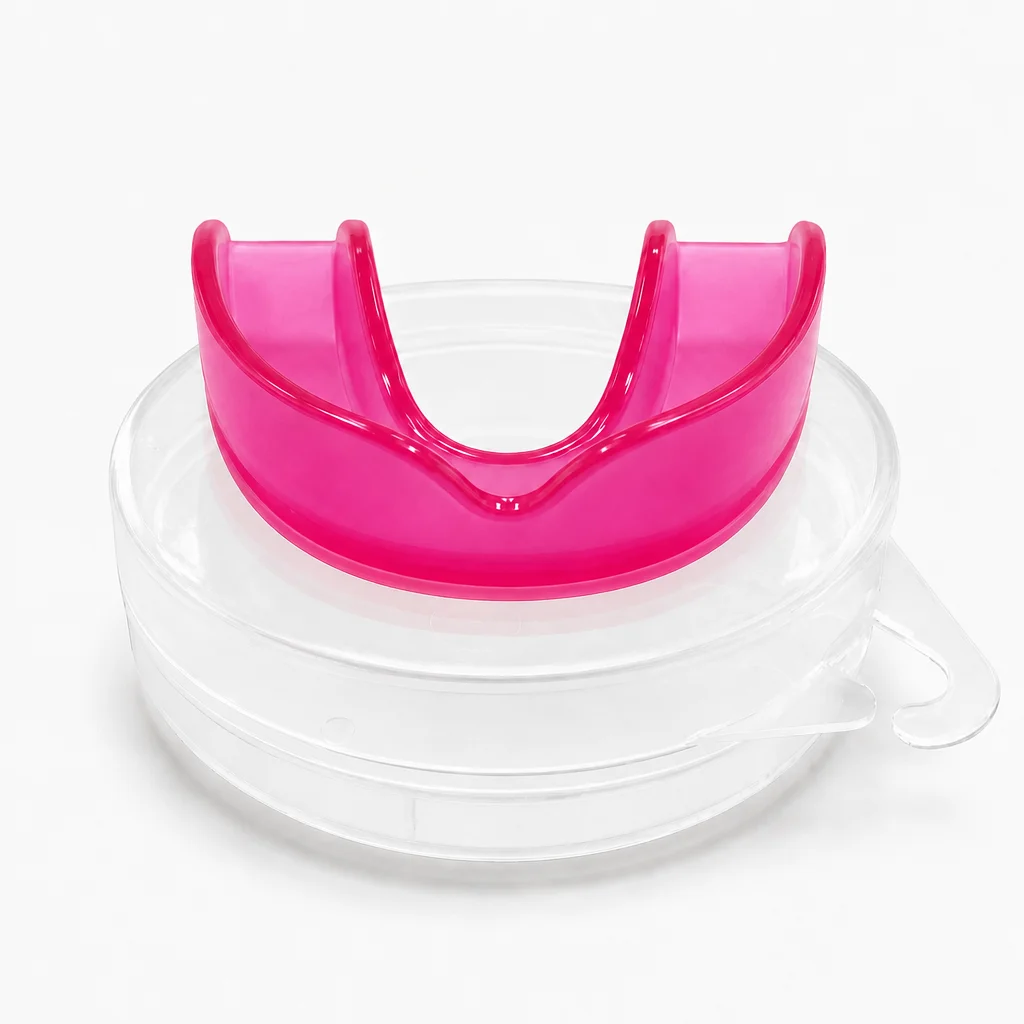
The protective principle is straightforward: the dental mouth guard acts as a physical layer between upper and lower teeth. This can help limit direct tooth-on-tooth contact associated with clenching or grinding. It should not be presented as a substitute for an examination, a treatment plan, or professional advice about pain, damaged teeth, jaw symptoms, or sleep concerns.
Why fit matters more than a broad “soft” or “hard” label
Material category matters, but it does not answer every nighttime question. A dental mouth guard also needs to match the intended use, thickness, edge finish, retention, and bite-contact design. Two guards made from similar material can feel very different if one is carefully shaped and the other is loose or uneven.
- Retention: A well-fitting dental mouth guard should stay seated without constant readjustment.
- Comfort: Smooth margins and an appropriate trim line can make overnight wear more manageable.
- Coverage: The design should follow the agreed clinical or product-use purpose rather than copying a universal template.
- Contact awareness: A professional review can help determine whether the guard contacts the opposing teeth as intended.
This is why “custom” should mean more than a marketing word. The fitting process and the final quality check are what turn a dental mouth guard into an individual protective appliance. Consumer guidance from recognized dental sources commonly describes a dentist-made mold as the route to a close, comfortable fit; that context supports a careful fit discussion, not a guarantee of a particular health outcome.
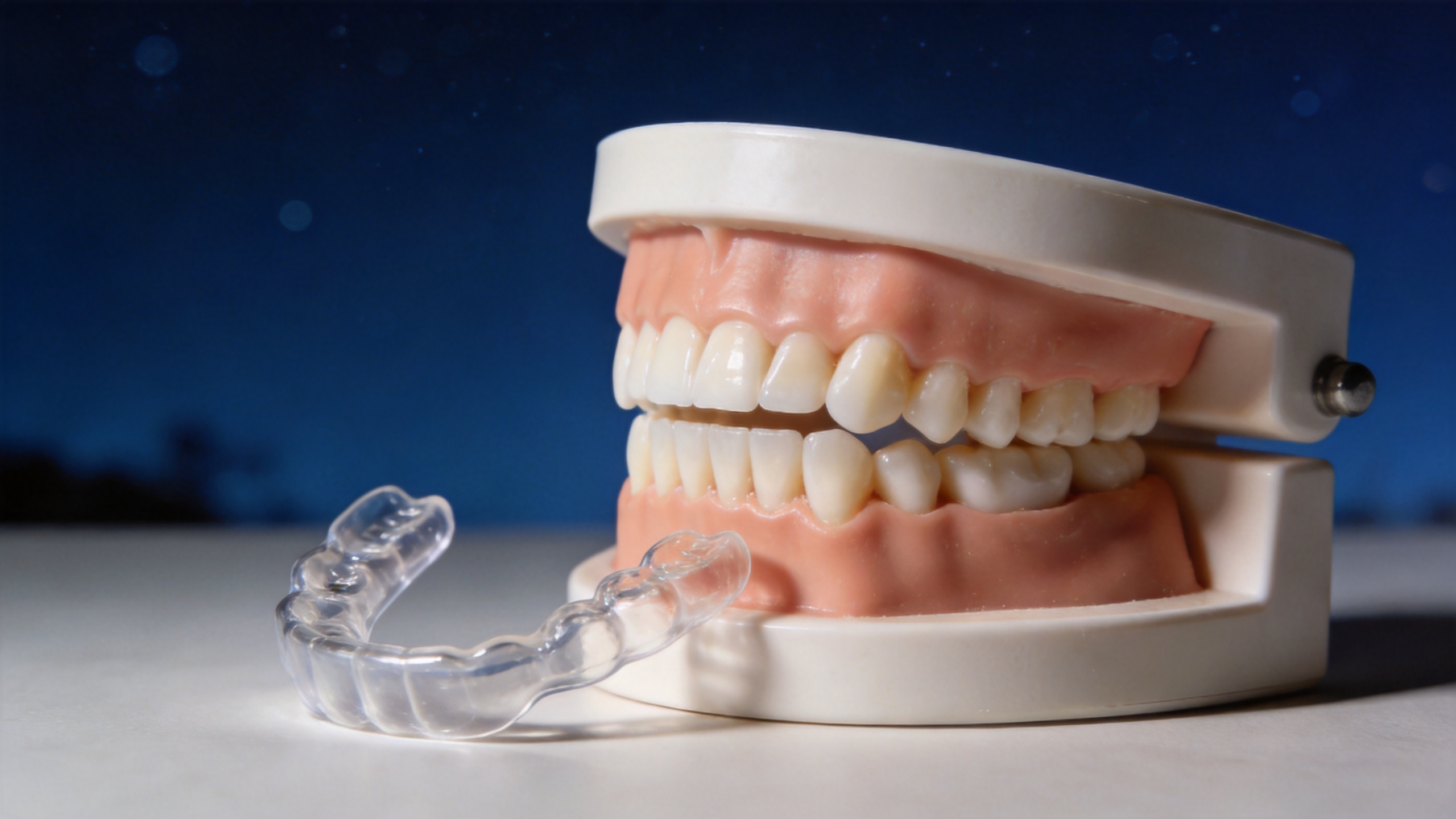
Custom-fit dental mouth guard versus a generic option
| Decision point | Custom-fit approach | Generic or minimally shaped option |
|---|---|---|
| Tooth adaptation | Made around the wearer’s individual dental contours. | May rely on a broad, average shape. |
| Overnight stability | Designed to improve seating and reduce avoidable movement. | May need repeated adjustment or feel less secure. |
| Comfort review | Fit, edges, and wear experience can be reviewed and adjusted when appropriate. | Adjustment choices may be limited. |
| Communication boundary | Supports a clear discussion of intended protection and follow-up needs. | Can encourage an overly simple “buy it and forget it” expectation. |
The comparison is not meant to say that every retail guard is unsuitable or that every custom product is automatically right. It highlights why an individual’s symptoms, dental condition, and comfort should guide the decision. A dental mouth guard that is difficult to wear will not offer its intended barrier when it remains in a drawer.
Signs that a nighttime dental mouth guard needs review
People should not try to solve every fit concern alone. Consider a dental review if a dental mouth guard rocks on the teeth, repeatedly falls out, feels sharply painful, causes persistent bite changes, or no longer fits after dental work. New tooth pain, a cracked tooth, jaw locking, swelling, or frequent morning headaches also justify professional guidance rather than simply changing products.
There is an important distinction here. A dental mouth guard may be part of protection for a person who clenches or grinds, but it does not identify the reason for the behavior. It also should not delay care for symptoms that are worsening or unusual. Stating that boundary clearly is more useful than promising that a guard will solve every nighttime problem.
What clinics and buyers should ask before sourcing
For dental channels and responsible wholesale procurement, a low factory price is only one part of the decision. The more practical question is whether the supplier can support consistent fit-sensitive production and clear product information. A simple pre-purchase checklist helps prevent a price-only comparison:
- What is the intended use: nighttime clenching/grinding protection, sports impact protection, or another oral application?
- How is the dental mouth guard customized, and what information is needed to make it?
- What material information, care instructions, and cleaning guidance can be supplied?
- How are edges, thickness, and visible finish checked before dispatch?
- What is the procedure if the wearer reports poor retention or discomfort?
- Which claims are supported by supplied documentation, and which claims should not appear in listings?
These questions matter for online listings as much as for a dental practice. A product page should avoid presenting comfort as a medical outcome or implying that an oral appliance can replace professional evaluation. Clear use instructions and an escalation path build more trust than exaggerated promises.
Care and communication make protection more practical
Even a custom-fit dental mouth guard needs routine care. Follow the maker’s instructions for rinsing, cleaning, drying, and storage. Avoid high heat unless the instructions specifically allow it, because heat can affect the shape of some materials. Inspect the guard regularly for cracks, sharp areas, significant wear, odor that does not resolve with appropriate cleaning, or a change in fit.
For sellers, the useful message is simple: explain what the product is designed to do, how it should fit, and when the wearer should seek dental advice. For wearers, bring the dental mouth guard to appointments if comfort or fit changes. That shared record makes it easier to discuss whether the device still serves its protective purpose.
Final takeaway
A custom-fit dental mouth guard is crucial for nighttime protection because the barrier can work more reliably when it fits the wearer’s teeth, remains stable, and is comfortable enough to be used as directed. It is a protective device, not a diagnosis or a cure. Whether you are choosing one for personal use or assessing a wholesale range, prioritize fit process, product information, and responsible follow-up over broad claims or factory price alone.
Frequently asked questions
Can a dental mouth guard stop teeth grinding?
A dental mouth guard is generally used as a protective barrier. It may help reduce direct tooth contact, but it does not diagnose or necessarily stop the underlying behavior. Discuss ongoing symptoms with a dental professional.
How should a nighttime dental mouth guard fit?
It should feel secure and comfortable rather than loose, sharply painful, or difficult to keep in place. If the fit changes or feels wrong, seek a dental review instead of forcing continued use.
Does a lower factory price mean the same protection?
Not necessarily. When comparing factory price or wholesale offers, review customization method, material information, quality checks, care instructions, and the limits of permitted product claims.

 Hot News
