 EN



How Can High-Quality Fitted Mouthguard Prevent Sleep Bruxism Damage?
Sleep bruxism means unconscious clenching, grinding, or gnashing of the teeth during sleep. It can leave people with worn enamel, chipped restorations, tooth sensitivity, or sore jaw muscles. A fitted mouthguard does not diagnose bruxism or guarantee that grinding will stop. Its practical job is more specific: it creates a protective barrier between upper and lower teeth so repeated contact is less likely to turn into direct tooth-on-tooth damage.
For distributors, online sellers, clinics, and pharmacy buyers, the useful question is not simply whether a night guard is “soft” or “custom.” It is whether a fitted mouthguard can be positioned accurately, worn consistently, and supported by clear product information. The distinction matters because buyers increasingly need language that protects customers from overpromising while helping them understand why fit affects real-world use.
Why sleep bruxism can damage teeth
Bruxism can occur while awake or asleep. During sleep, the person may not notice the episodes themselves, so the first signs are often discovered later: flattened biting surfaces, a cracked filling, morning jaw tightness, or a partner hearing grinding. The damaging mechanism is repeated force and friction. When teeth meet directly over and over, enamel, restorations, and sometimes the edges of teeth can receive concentrated wear.
A fitted mouthguard can be understood as a protective interface. It separates the dental arches and provides a designed surface for contact. That separation can help reduce direct abrasion and may distribute contact differently than bare teeth meeting each other. It is not a cure for the causes of sleep bruxism, which can be individual and may need professional assessment. This boundary is important for responsible product communication.
How a fitted mouthguard helps limit damage
1. It keeps opposing teeth from rubbing directly
The core benefit of a fitted mouthguard is simple: it places material between the teeth. When a sleeper clenches or grinds, the guard is the first surface involved rather than enamel directly contacting enamel. That does not make the guard indestructible; wear on the appliance can be useful evidence that it has been taking contact. It does mean the product is designed to absorb part of the mechanical burden that would otherwise reach the teeth.
2. It supports more even, stable contact when properly made
A high-quality fitted mouthguard should not be described as universally comfortable or equally suitable for every person. Still, an appropriate fit can make a meaningful practical difference. A guard that stays seated, does not create obvious pressure points, and does not feel excessively bulky is more likely to be worn as directed. By contrast, a loose or poorly shaped guard may shift, feel distracting, or be abandoned in a drawer. Compliance is a protection issue: an unused guard cannot protect teeth.
3. It creates a repeatable nightly protection routine
Many people need a simple routine rather than another complicated sleep intervention. A fitted mouthguard can be cleaned, stored, and used as part of a nightly habit. Buyers should avoid claiming that the appliance will eliminate every symptom. A better explanation is that regular use can provide a consistent physical barrier during the hours when unconscious grinding may happen.
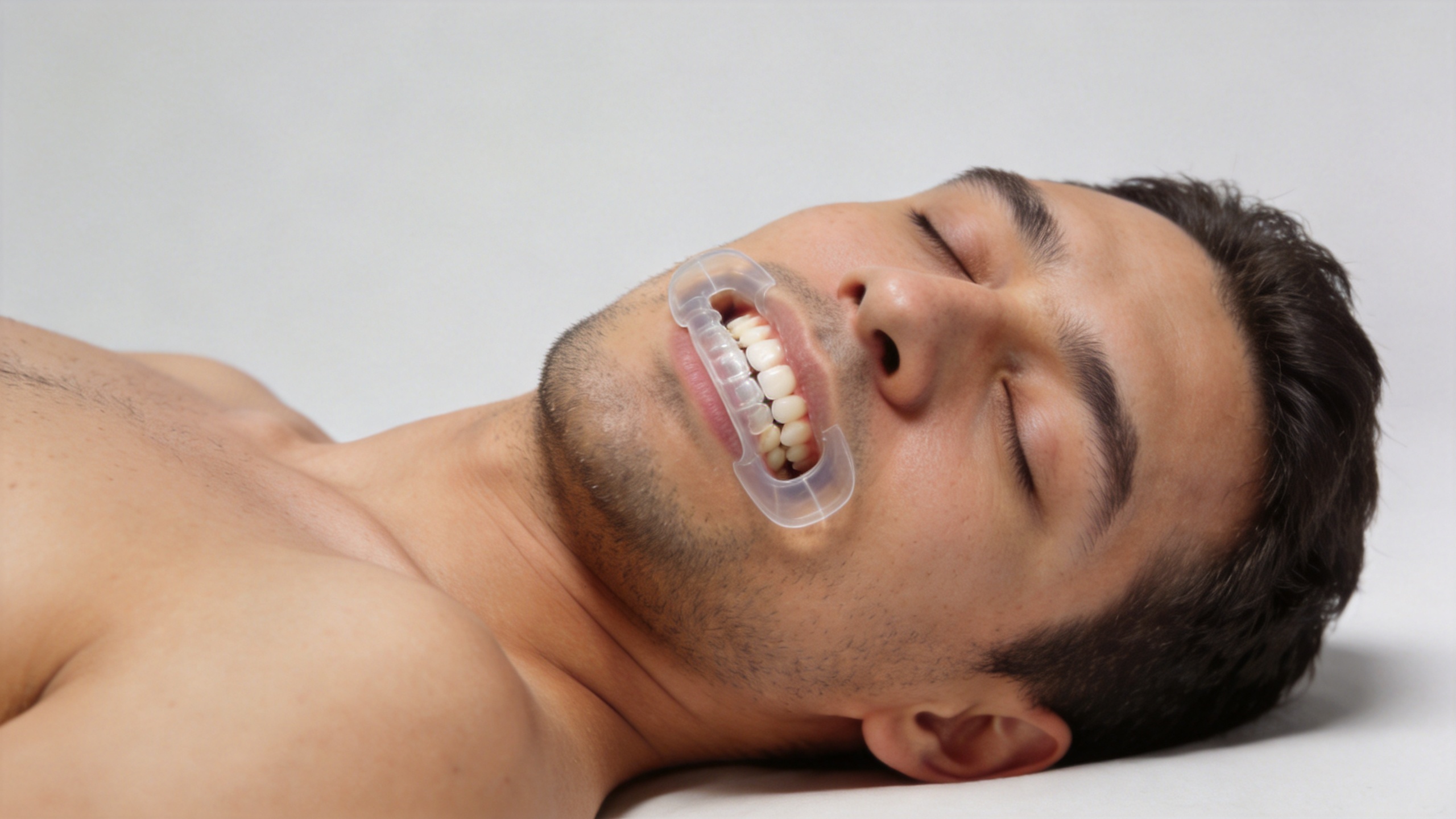
Why comfortable fit is more than a selling point
A comfortable fit is not merely a premium feature. It is tied to whether a person can tolerate the product for a full night. Fit involves retention, edge finish, thickness, bite relationship, and the user’s own oral condition. Those details should be evaluated through the appropriate product pathway and, where relevant, by a dental professional. A fitted mouthguard that causes pain, changes how the teeth meet, feels unstable, or is difficult to remove deserves review rather than a marketing workaround.
For B2B teams, this is where accurate merchandising helps. Product copy can explain that fit is intended to support overnight wear, while avoiding unsupported statements about exact comfort levels, material performance, or therapeutic outcomes. Clear use, care, and escalation guidance can also reduce avoidable returns and confusing customer expectations.
What high quality should mean to a buyer
“High quality” should translate into questions a buyer can verify, not a list of vague superlatives. When evaluating a fitted mouthguard, ask for the information that affects safe communication and downstream support:
- Intended use: Is the product clearly identified for nighttime tooth-contact protection rather than sports impact protection or another oral application?
- Fit pathway: How is fit obtained, checked, adjusted, or escalated if the wearer reports discomfort?
- Material documentation: What material information and care instructions are available for the sales channel?
- Specifications: Are thickness, sizing, packaging, labeling, and replacement guidance documented rather than assumed?
- Claims control: Does the supplied copy distinguish protection from diagnosis, treatment, or a promise to stop bruxism?
These questions are especially useful for wholesalers, e-commerce operators, clinics, and pharmacies. A strong assortment is not only about an appealing product name; it is about whether the available evidence lets the channel describe a fitted mouthguard responsibly.
Where OEM/ODM planning fits into the conversation
For private-label programs, OEM/ODM planning should begin with the customer journey rather than decoration alone. The intended wearer, fit instructions, package language, case presentation, cleaning directions, and customer-service handoff all influence whether the final offering is understandable. A fitted mouthguard program may need different documentation for a clinic-oriented channel than for a consumer e-commerce listing.
That does not mean a buyer should infer unverified customization capabilities, certifications, or medical claims. It means the buyer can ask suppliers to clarify which elements of the product and packaging are documented, what requires confirmation, and how use instructions will remain aligned with the intended purpose. A well-scoped OEM/ODM discussion reduces the gap between an attractive listing and a supportable product experience.
Signs the customer should seek professional assessment
A fitted mouthguard is not a substitute for dental diagnosis. Encourage professional assessment when there is persistent tooth pain, a broken tooth or restoration, significant jaw locking, a marked change in bite, bleeding, severe headaches, or uncertainty about whether symptoms stem from grinding. People with existing dental work, changing oral conditions, or a guard that no longer fits should also ask an appropriate clinician how to proceed.
This guidance protects both the wearer and the channel. It keeps product communication centered on the guard’s role—helping limit direct contact damage—rather than turning a consumer item into a stand-in for clinical care.
A practical decision framework
- Confirm that nighttime tooth-contact protection is the relevant use case.
- Choose a fitted mouthguard only through a fit pathway appropriate to the product and wearer.
- Review available material, care, sizing, and labeling information before making claims.
- Make comfortable fit part of the follow-up conversation, not an unconditional promise.
- Keep OEM/ODM messaging within documented product and packaging capabilities.
- Refer suspected bruxism damage or persistent symptoms for professional evaluation.
Final takeaway
A high-quality fitted mouthguard can help prevent sleep bruxism damage by separating the teeth and providing a protective contact surface during nightly clenching or grinding. Its value depends on proper fit, regular use, clear instructions, and truthful claims. For channel buyers, the most durable proposition is not “this stops bruxism.” It is: this fitted mouthguard is intended to help protect teeth from the direct contact associated with sleep grinding, while fit concerns and possible dental damage receive the attention they deserve.



 Hot News
