 EN



Why Is A Custom-Fit Sleep Right Mouth Guard Crucial For Nighttime Protection?
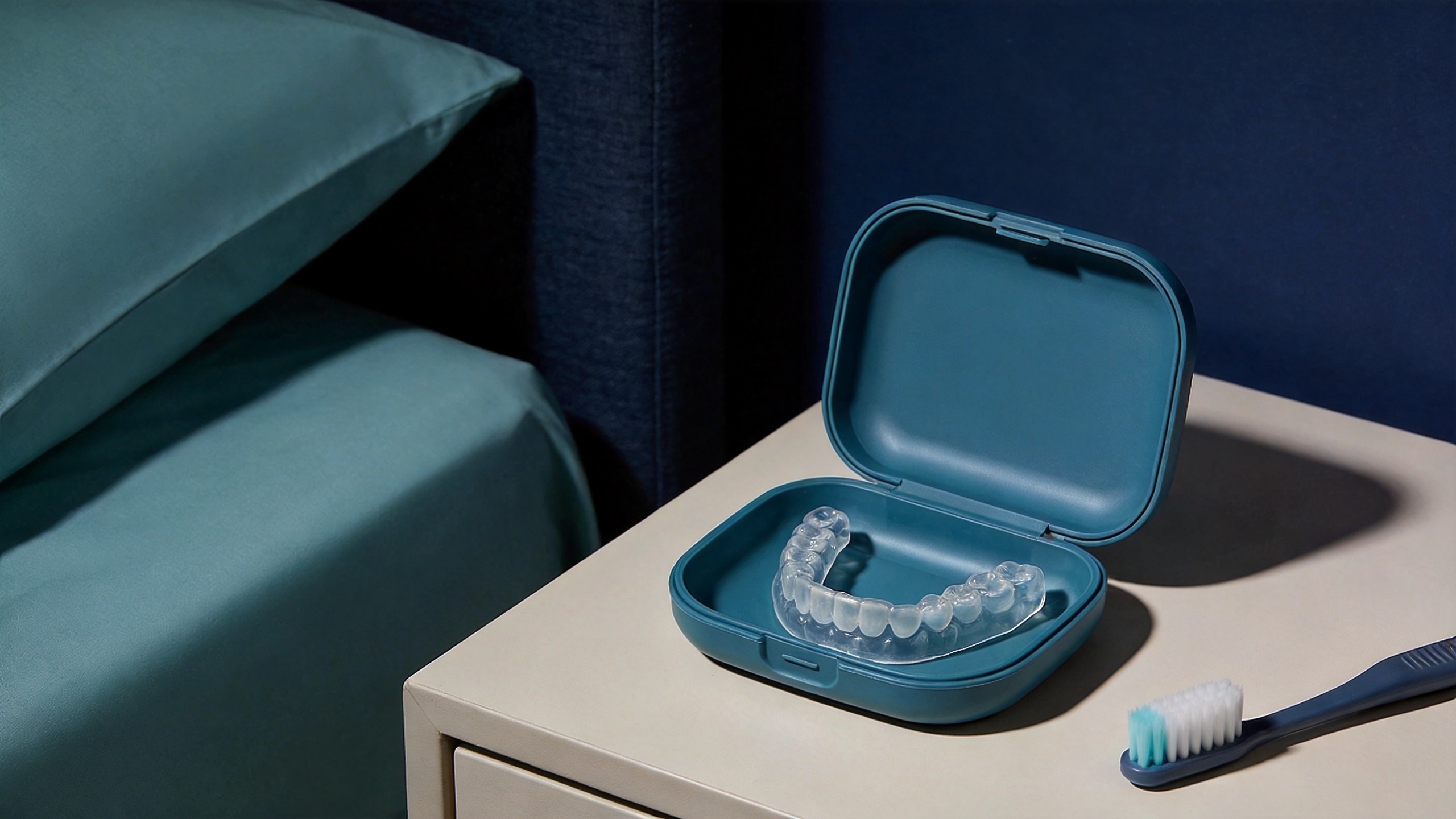
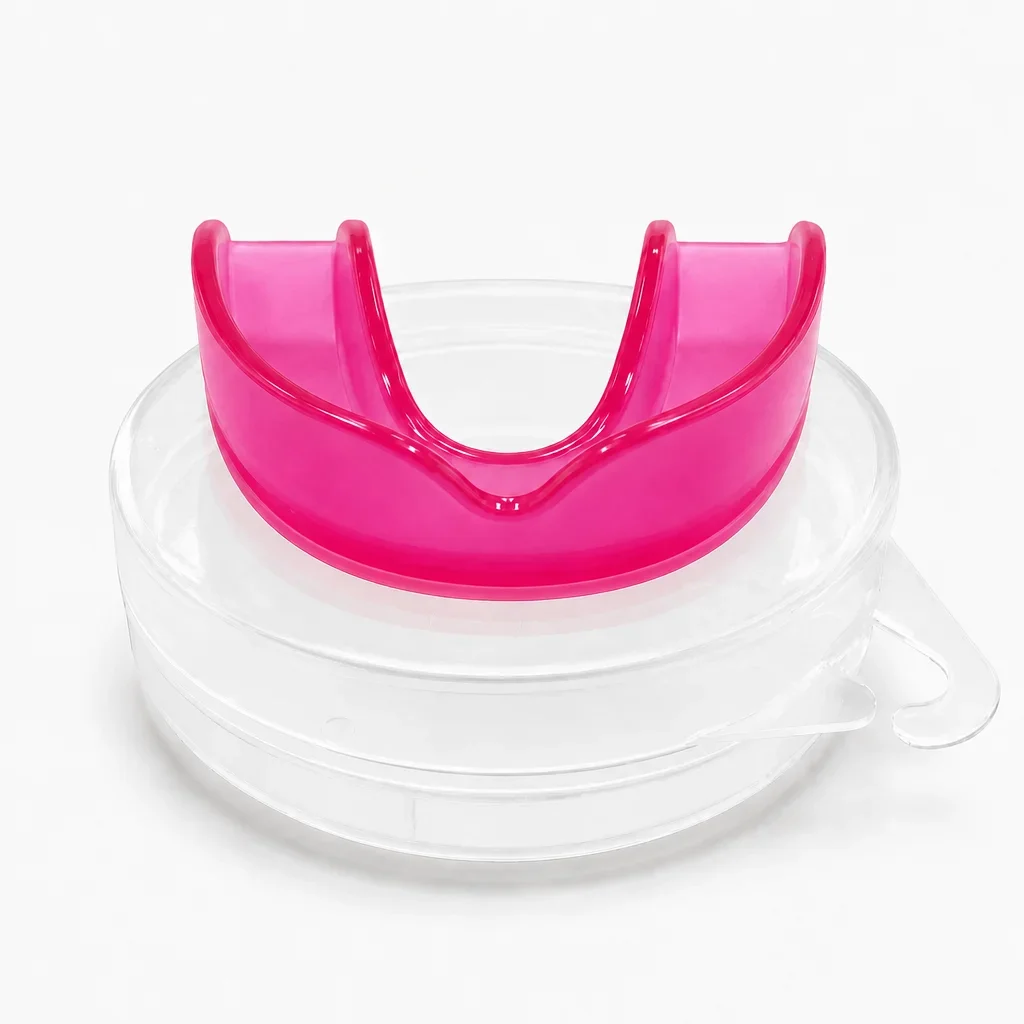
A sleep right mouth guard can be useful when nighttime clenching or grinding leaves teeth, restorations, or the jaw feeling overworked. But the useful question is not whether every guard is “comfortable.” It is whether the guard can sit securely, distribute contact in a predictable way, and remain wearable long enough to provide a protective barrier night after night. Those are different things.
For an oral-health product buyer or a person comparing a night guard, fit deserves careful attention. A guard that shifts, pinches, feels bulky, or changes how the teeth meet may be abandoned in a drawer. A custom-fit design is meant to follow the individual dental shape more closely than a one-size option. That does not make it a diagnosis or a treatment for every sleep-related concern; it makes fit a central part of practical nighttime protection.
Nighttime protection starts with the right purpose
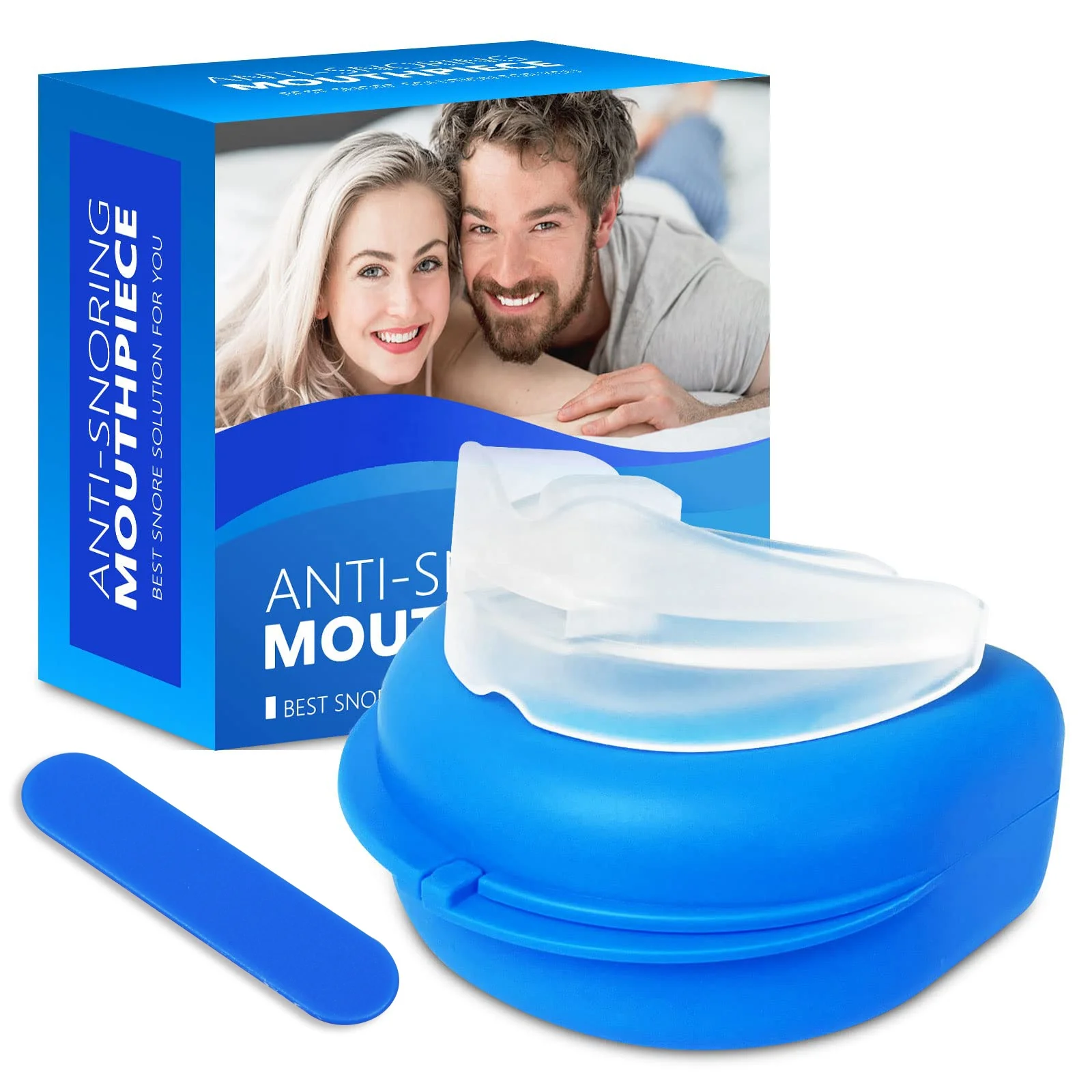
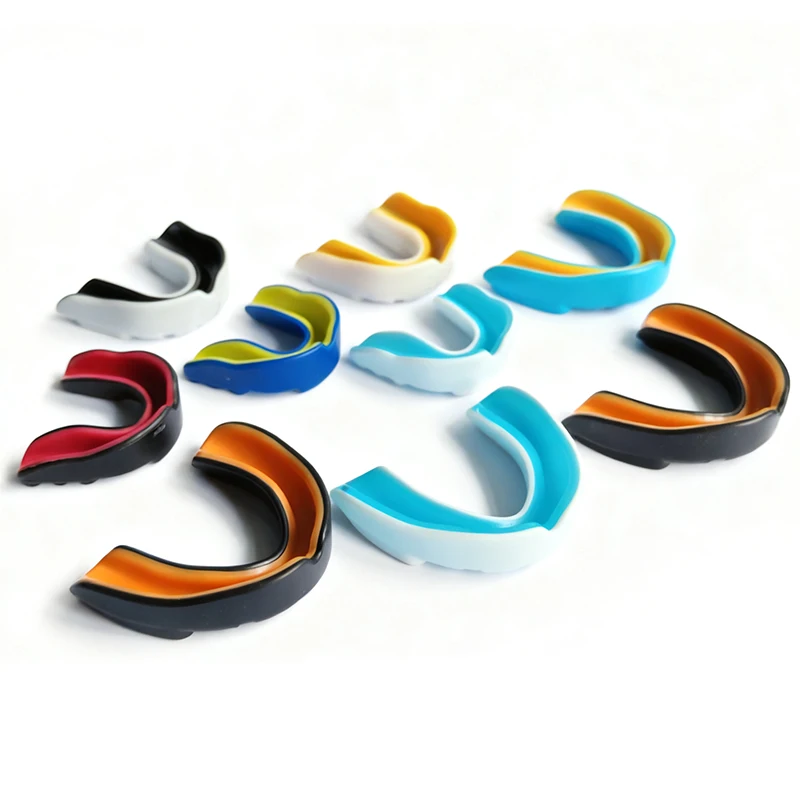
It is easy to group all oral appliances together, yet their intended purposes are not interchangeable. A sleep right mouth guard for grinding or clenching is generally discussed as a barrier between the teeth. A sports mouthguard is designed around impact protection. Appliances used for snoring or sleep apnea involve different clinical considerations and should not be substituted for a grinding guard without professional guidance.
This distinction matters because a night guard is not a promise to cure jaw pain, stop a medical condition, or treat sleep apnea. Cleveland Clinic’s general mouthguard guidance makes the same boundary: custom-made guards are created for a person’s dental anatomy, while mouthguards are not appropriate as a treatment for sleep apnea. If someone has persistent pain, chipped teeth, headaches, sleep-disordered breathing concerns, or an unexplained bite change, a dentist or another qualified clinician is the appropriate next step.
Why custom fit changes the protection conversation
1. A stable fit is easier to wear consistently
The value of a sleep right mouth guard depends partly on whether the wearer will actually use it. When a guard is shaped to the teeth, it may be less likely to feel loose or to require constant repositioning. That does not guarantee comfort for every person, but it gives the wearer a more sensible starting point than relying on a generic shape alone.
Custom fit should be understood as a fit process rather than a slogan. Follow the product’s fitting directions precisely. After fitting, the guard should feel secure without creating sharp pressure, gagging, or a forced bite position. If it seems to alter the way the teeth close or causes ongoing soreness, stop using it and ask a dental professional for advice.
2. Coverage must match the intended area
At night, repeated tooth-to-tooth contact can contribute to wear. A properly selected night guard is intended to create cushioning separation so the upper and lower teeth are not rubbing directly against each other. Exact coverage, thickness, and material are product-specific details, so buyers should verify them from the actual product documentation rather than assuming that every guard provides the same design.
This is also where a quick self-correction helps: a thin guard is not automatically better, and a thicker guard is not automatically more protective. The relevant question is whether the design, fit instructions, and intended use are clear enough for the user’s situation. More material is not a substitute for a suitable fit.
3. A comfortable guard is more likely to stay in the routine
Nighttime protection is a routine, not a one-time purchase. A sleep right mouth guard that is cleaned, stored, and checked regularly is more useful than one that is uncomfortable or poorly fitted. Before each use, inspect it for rough edges, cracks, odor that does not clear with proper cleaning, or visible distortion. Replace it or seek guidance when the product instructions indicate that it is no longer suitable.
A practical custom-fit check before sleeping
- Confirm the goal. Choose a grinding or clenching guard only when that is the product’s stated purpose. Do not use a night guard as a substitute for assessment of snoring, apnea, injury, or unexplained dental symptoms.
- Follow the fitting instructions exactly. Time, water temperature, and placement steps can affect fit. Skipping a step can leave a guard too loose or uneven.
- Check retention gently. The guard should stay in place during normal mouth movement without painful pressure. Do not bite down forcefully just to “make it fit.”
- Check your bite and comfort. A new device can feel unfamiliar, but ongoing pain, numbness, sharp edges, or a bite that feels wrong calls for professional advice.
- Set a cleaning habit. Rinse and clean according to the manufacturer’s directions, allow the guard to dry, and store it in its protective case.
What should wholesale buyers verify?
For wholesale programs, product information should be as careful as the fit message. Retailers, clinics, pharmacies, and e-commerce teams need a clear statement of intended use, fitting instructions, cleaning guidance, replacement guidance, packaging information, and the boundary between general product education and clinical advice. The company profile behind this site serves wholesalers, e-commerce platforms, clinics, and pharmacies, so clear channel-ready information is more useful than exaggerated performance language.
A reliable wholesale checklist also separates confirmed details from questions that still need documentation. Ask for the exact product purpose, user instructions, material and care information where available, applicable market documentation, packaging configuration, and the approved wording for health-related claims. Do not turn an unverified specification into a listing claim. In particular, avoid saying a sleep right mouth guard treats sleep apnea, permanently stops bruxism, or works for every wearer.
Common mistakes that weaken nighttime protection
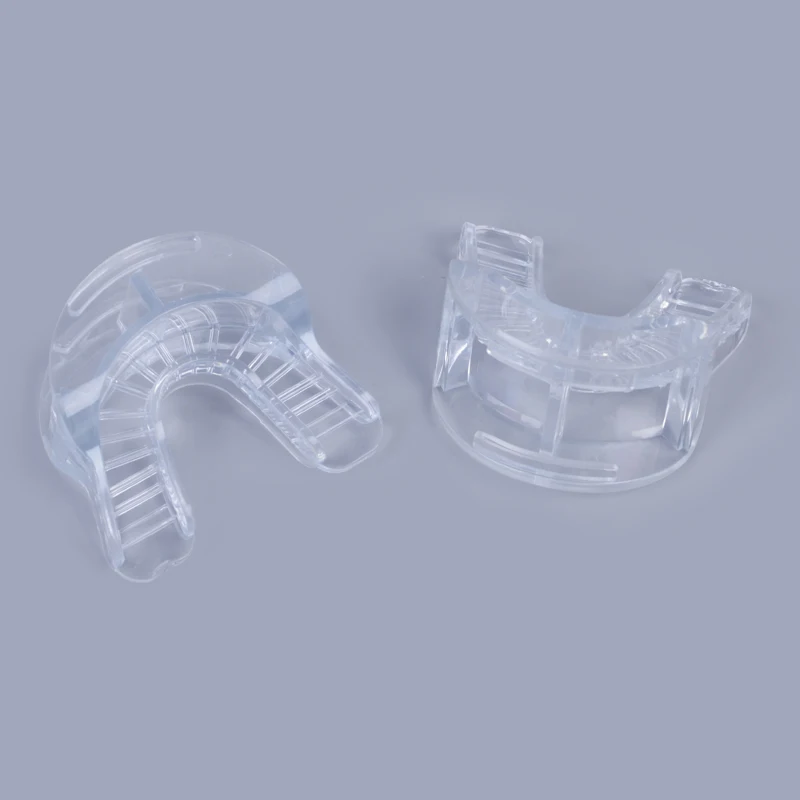
- Using the wrong device for the problem: a sports guard, whitening tray, anti-snoring appliance, and grinding guard should not be presented as interchangeable.
- Ignoring a poor fit: discomfort, movement, sharp edges, or a changed bite should be addressed rather than normalized.
- Making medical promises: a night guard can be part of a protective routine, but it does not replace evaluation of persistent symptoms.
- Skipping care: a dirty, damaged, or distorted guard may no longer be appropriate to use.
- Overstating wholesale claims: channel copy should stay aligned with verified product documentation and local regulatory expectations.
When to involve a dental professional
Self-fit products can be useful for some people, but there are limits. Consider professional guidance if there is ongoing tooth pain, jaw locking, frequent headaches, loose teeth, damaged restorations, bleeding gums, major bite changes, or symptoms that suggest a sleep-breathing issue. A dentist can help determine whether a guard is appropriate and whether a professionally made option or another course of care is more suitable.
Final thought: fit is part of protection
A custom-fit sleep right mouth guard is crucial for nighttime protection because a guard has to fit well enough to be worn safely and consistently. The sensible approach is straightforward: match the device to the intended purpose, follow its fitting and care instructions, watch for signs that it is not working comfortably, and seek professional input when symptoms persist. For wholesale buyers, the same principle applies to the product page: communicate what is confirmed, what the guard is designed to do, and where professional assessment belongs.


 Hot News
