 EN



Why Is A Custom-Fit Teeth Mouthpiece Crucial For Nighttime Protection?
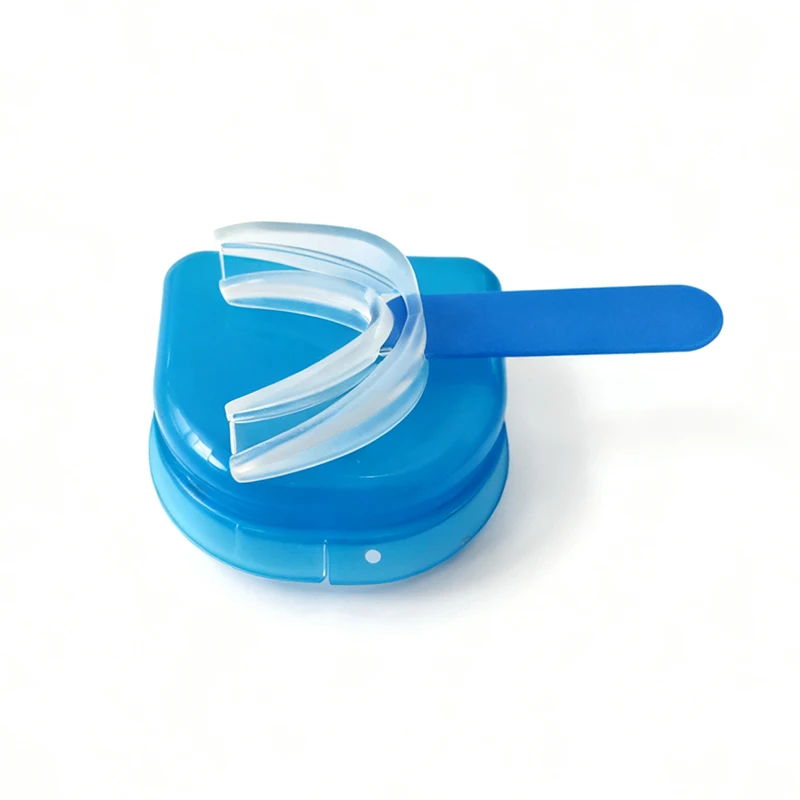
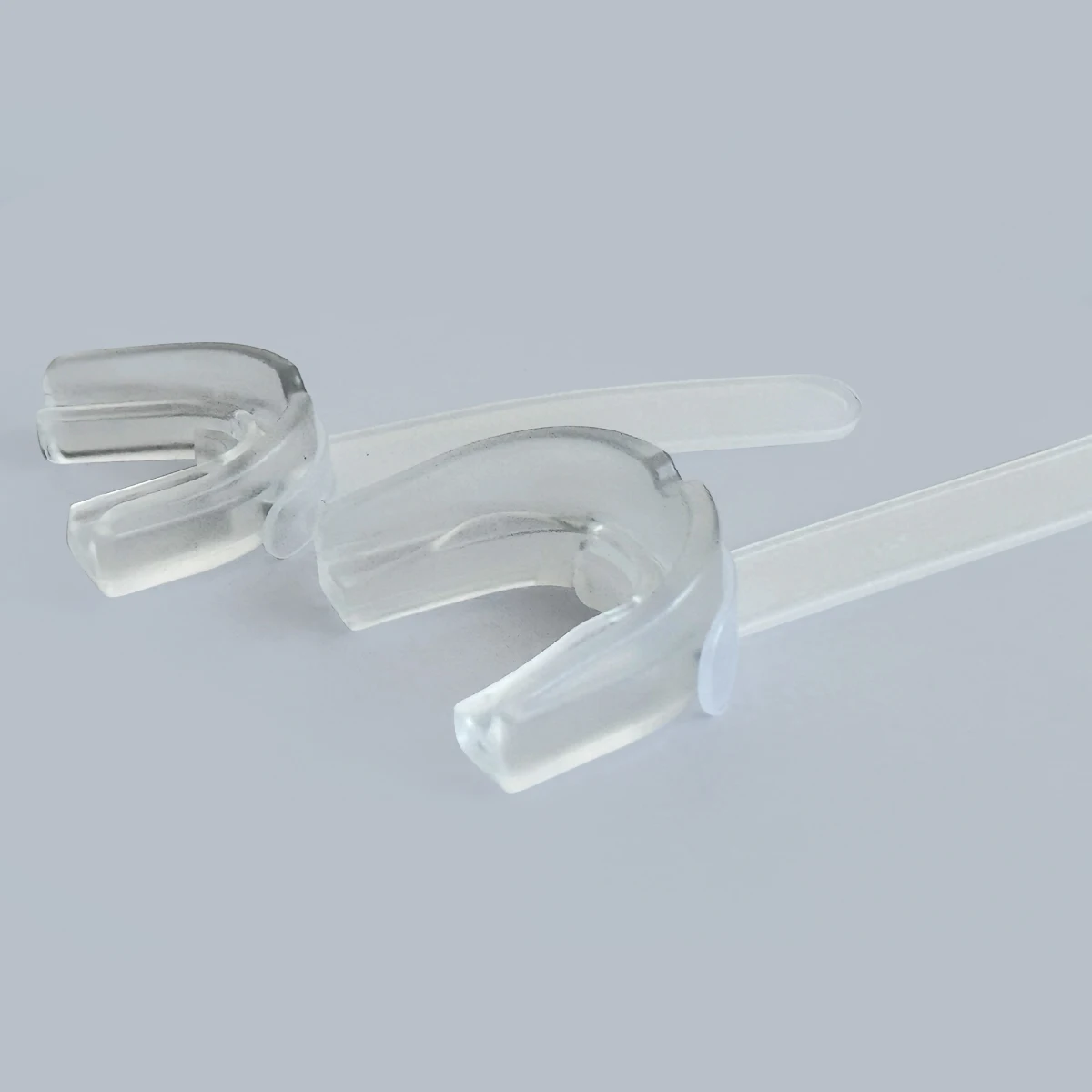
When someone wakes with a sore jaw, flattened tooth edges, or a partner’s report of grinding sounds, it is tempting to buy the first soft guard that looks comfortable. A teeth mouthpiece used at night has a more specific job: it should stay in place while you sleep and create a protective separation between the upper and lower teeth. That is why fit is not a small detail. It is the foundation of predictable nighttime protection.
From an oral-product selection perspective, start with the use goal rather than the product name. A sports guard, a snoring appliance, and a nighttime guard may all be called a mouthpiece, but they are designed around different situations. For sleep-related clenching or grinding, the practical question is whether the appliance fits securely and can be assessed for even, comfortable contact.
A nighttime teeth mouthpiece is not the same as a sports mouthguard
Sports guards are made to help cushion impact during activity. A nighttime teeth mouthpiece is generally considered for a different purpose: reducing direct tooth-on-tooth contact during sleeping hours. Conflating the two can lead to a poor choice. A bulky device intended for impact may feel unstable overnight, while a thin, badly retained guard can shift, irritate soft tissue, or encourage a wearer to stop using it.
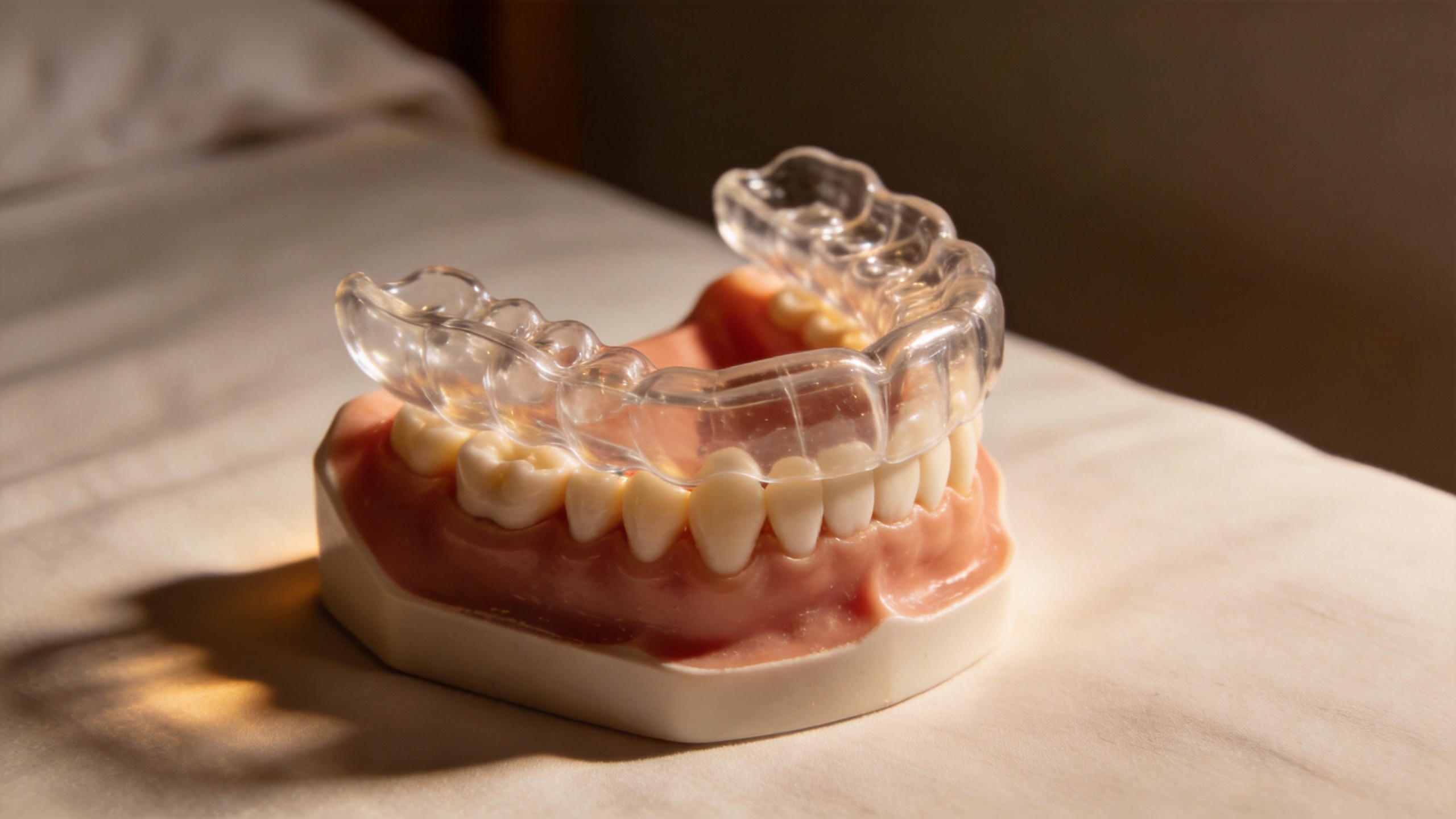
Custom mouth guards are shaped from an impression or digital scan of the wearer’s teeth. That individualized shape is what helps the guard seat consistently. A device that does not follow the tooth contours closely may lift when the jaw moves, feel loose when the mouth opens, or create pressure in one area. Comfort matters here because an appliance that stays in the drawer cannot offer protection.
Why custom fit changes the protective equation
Retention helps the appliance stay where it belongs
During sleep, you cannot repeatedly reposition a loose guard. A custom-fit teeth mouthpiece is designed to engage the contours of a specific arch, which can improve retention compared with a one-size option. Good retention does not mean a painfully tight fit. It means the appliance feels stable enough to remain seated without constant effort from the lips, cheeks, or jaw muscles.
Even coverage supports a clearer clinical check
The protective value of a guard is not just about having material between the teeth. The fit and contact pattern need to be appropriate for the person’s mouth. With a custom appliance, a dental professional can assess whether the guard covers the intended teeth and whether any spot feels excessively high or uneven. This is especially important if there are crowns, restorations, shifting teeth, or a history of jaw discomfort.
Better comfort can support consistent use
Many people abandon generic devices because they trigger gagging, rub against the gums, or feel too thick. A custom mouthguard may be easier to tolerate because its borders and thickness can be planned around the individual mouth. That does not guarantee comfort for every person, but it gives fitting and follow-up a meaningful place in the process.
What a nighttime guard can—and cannot—do
It is reasonable to view a well-fitted teeth mouthpiece as a protective barrier. Dental guidance commonly describes custom nightguards as fitting over one arch to limit contact with the opposing teeth. That protective role is different from diagnosing the cause of grinding, curing sleep bruxism, or resolving every type of jaw pain.
Evidence on occlusal splints and sleep bruxism is mixed, so promises deserve restraint. A guard may be part of a clinician-led plan to help limit wear or manage contact-related concerns, but persistent pain, headaches, broken teeth, loud snoring, breathing pauses, or a major change in bite should prompt professional evaluation. Do not modify a guard with scissors, heat, or adhesives unless the provider who made it says that is appropriate.
Custom fit is especially valuable in these situations
- Visible wear or chipped restorations: individual tooth shapes and existing dental work make generic fit less reliable.
- A guard that falls out or feels loose: poor retention is a direct obstacle to nighttime use.
- Pressure, soreness, or gagging with store-bought options: comfort concerns are worth discussing rather than simply tolerating.
- Changes in the bite or dental treatment: new crowns, orthodontic changes, and shifting teeth can alter how a teeth mouthpiece fits.
- Uncertain symptoms: a dental exam can help distinguish a protection question from an issue that needs another type of assessment.
How to evaluate a custom teeth mouthpiece
- Define the nighttime concern. Note grinding sounds, tooth wear, sensitivity, morning muscle fatigue, or appliance discomfort without assuming the cause.
- Ask how the fit is captured. An impression or scan should be connected to the appliance design, not treated as a marketing extra.
- Confirm which arch and teeth are covered. Coverage, borders, thickness, and material should suit the stated use case.
- Plan a fit check. The ability to identify rubbing, looseness, or an uneven contact point is a major advantage of a custom process.
- Know when to seek review. Stop relying on a device alone if pain increases, the bite feels altered, or the guard cracks or no longer seats fully.
Questions to bring to a dental appointment or supplier conversation
Whether you are selecting dental mouth guards for personal use or comparing custom mouth guards for a product line, clear questions reduce guesswork. Ask what use case the device is intended for, how the fit is obtained, what material information is available, and what follow-up is offered if it feels loose or uncomfortable. For any health-related positioning, keep claims conditional and avoid presenting the product as a substitute for examination or treatment.
It also helps to separate protection from performance claims. A custom-fit teeth mouthpiece can be assessed for retention, coverage, and comfort. Claims about treating a sleep disorder, correcting a bite, or eliminating pain require a different level of professional evaluation and supporting evidence.
The bottom line
A custom-fit teeth mouthpiece is crucial for nighttime protection because it is designed around the mouth that will wear it. Secure retention, planned coverage, and the option for a fit check make it more practical than treating every mouthguard as interchangeable. If nighttime grinding, jaw discomfort, or tooth damage is a concern, use that protection question as a reason to consult a dental professional—not as a reason to self-diagnose. A sensible next step is a device and follow-up plan that match the actual nighttime situation.

 Hot News
