 EN



Why Is a High-Quality Custom Mouth Guard for Braces Essential for Braces Wearers?
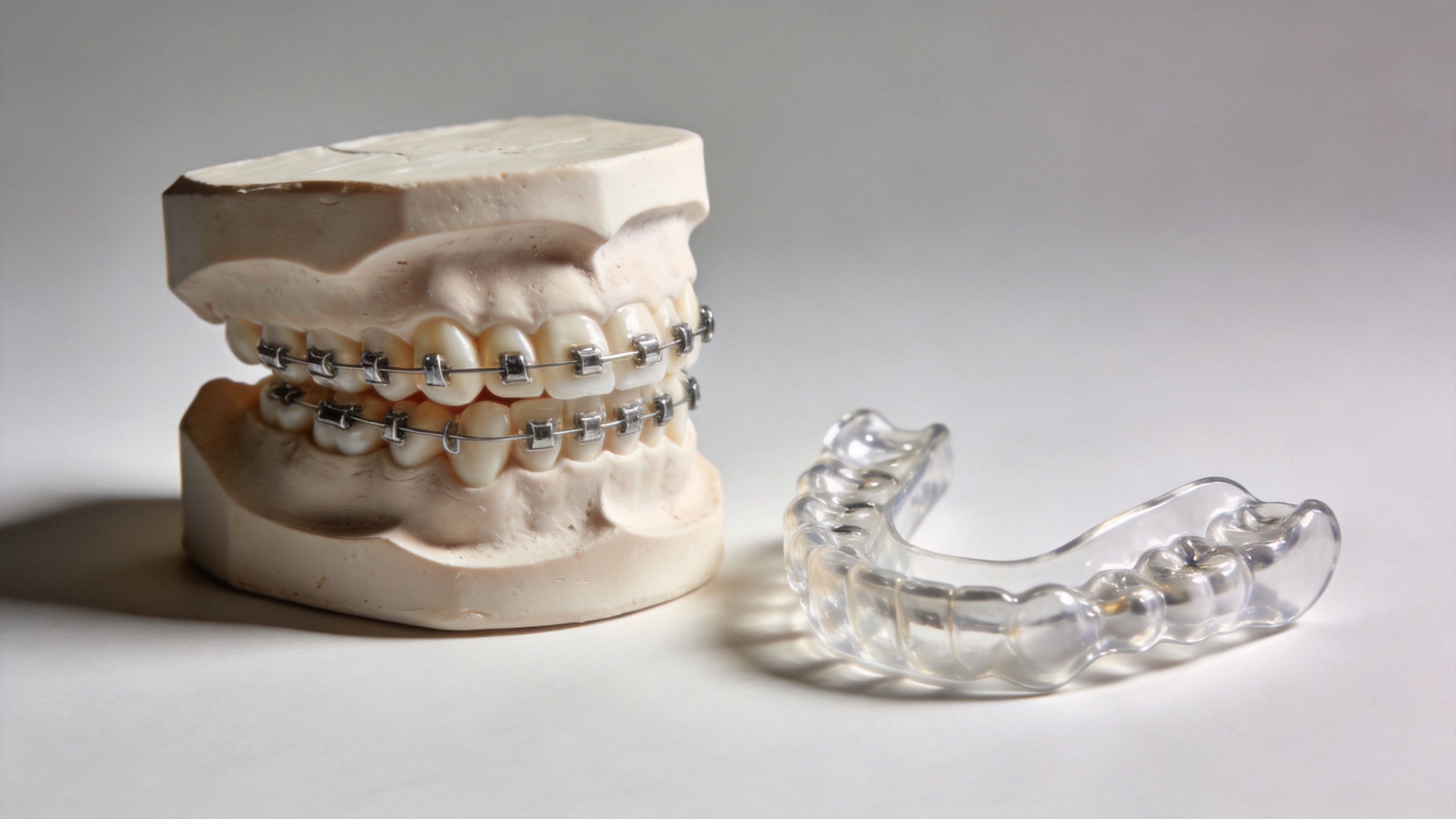
For an athlete in orthodontic treatment, a mouthguard is not a generic accessory. Brackets, wires, and changing tooth positions make fit a practical safety issue. A custom mouth guard for braces is designed around that reality: it should sit comfortably over the appliance, leave room for movement, and create a protective barrier between the lips or cheeks and the brackets during an impact.
From a sports-protection perspective, the useful question is not simply, “Which guard is thickest?” It is whether the guard fits the current orthodontic situation, stays in place during activity, and can be reviewed as treatment progresses. This is general information, not individual dental advice; an orthodontist is the right person to confirm what is appropriate for a particular appliance and sport.
Why braces change the mouthguard decision
Braces add hard edges and delicate components inside the mouth. In a collision, fall, or ball strike, lips and cheeks can be pressed against brackets, while a poorly fitting guard may shift, pinch, or interfere with normal breathing and speech. That does not mean a guard eliminates injury risk. It does mean that a guard made for an unbraced mouth may not address the same contact points or retention needs.
The American Dental Association describes athletic mouth protectors as protective appliances for activities that carry injury risk. The American Association of Orthodontists also presents mouthguards as part of sports protection for people with braces. Those sources support a cautious, practical conclusion: people who play impact-risk sports should discuss an orthodontic-friendly protection plan rather than treating braces as a reason to skip a guard.
What “custom” should mean when someone wears braces
A custom mouth guard for braces should be understood as a fit-focused solution, not a promise of universal protection. Depending on the provider and the stage of treatment, “custom” can involve a professional impression or scan, an appliance-specific design, and instructions for follow-up when teeth move. The value comes from matching the guard to the mouth as it is now—not to a generic profile.
- Clearance for brackets and wires: The interior needs to accommodate the appliance without creating uncomfortable pressure points.
- Reliable retention: A guard that comes loose during movement is less useful than one that stays positioned without clenching constantly.
- Appropriate coverage: Coverage should be considered with the sport, the orthodontic appliance, and professional guidance in mind.
- Comfort that supports use: Even a well-made guard offers little practical value if the wearer avoids it because it feels bulky, rubs the gums, or makes breathing difficult.
A braces mouthpiece is therefore more than a renamed stock guard. The difference is whether the shape and review process acknowledge the appliance and the fact that orthodontic treatment changes over time.
Why fit matters beyond comfort
Comfort is important, but it is not the only reason to prioritize fit. A stable guard can help keep soft tissue from being pressed directly against brackets during contact. It also helps the wearer focus on the activity rather than repeatedly adjusting the guard. For coaches, parents, and adult athletes, this usability point matters: equipment that is easy to wear consistently is more likely to be worn.
There is also a timing issue. Teeth can move, arches can change, and orthodontic hardware may be adjusted. A guard that felt fine months ago may deserve a fresh check after a significant treatment change. Rather than assuming that one purchase works for the entire treatment timeline, ask the orthodontic team when a refit, replacement, or adjustment should be considered.
Custom, boil-and-bite, and stock options: a practical comparison
| Option | Potential advantage | Question to ask when braces are present |
|---|---|---|
| Stock guard | Easy to obtain | Does it actually stay in place and clear brackets, or is the fit too generic? |
| Boil-and-bite guard | Can be shaped at home | Is it intended for orthodontic appliances, and has the orthodontist approved the fit? |
| Custom guard | Can be made around the wearer’s current oral anatomy and appliance | What review or replacement plan is needed as treatment changes? |
None of these labels should be treated as a guarantee. The better choice depends on the sport, the appliance, the wearer’s comfort, and the professional guidance available. A properly fitted orthodontic-friendly boil-and-bite may be a reasonable option in some situations, while a custom mouth guard for braces may be preferred where a closer, more stable fit is needed.
Questions to ask before choosing a custom mouth guard for braces
- What sport or activity is it for? A low-contact activity and a collision sport do not present the same impact patterns.
- What type of braces or appliance is in place? Brackets, wires, elastics, and removable components may change the fitting conversation.
- How is the guard made and checked? Ask whether the process is appropriate for active orthodontic treatment and how fit is verified.
- What happens after an adjustment? Get clear guidance on signs that the guard no longer fits and when to return for review.
- How should it be cleaned and stored? A clean, dry case and following the provider’s instructions help preserve the appliance between uses.
Signs a braces mouthpiece needs attention
Stop treating a mouthguard as “good enough” if it becomes difficult to seat, creates new pressure on brackets, falls out easily, has tears or sharp edges, or no longer feels stable after orthodontic changes. Bring it to the orthodontic appointment rather than trimming or reshaping it without guidance. The goal is to identify a fit problem before the next practice or game.
Make protection part of the orthodontic routine
A high-quality custom mouth guard for braces matters because it turns a generic safety habit into one that accounts for the appliance actually in the mouth. It can support comfort, retention, and a better barrier between soft tissue and brackets during sports, but it cannot replace safe play, rules enforcement, or professional orthodontic advice.
Start with the activity, then confirm the current orthodontic setup, fit process, and review schedule. That approach is more dependable than choosing by price or appearance alone—and it gives braces wearers a clearer path to using protection consistently.



 Hot News
