 EN



How To Choose The Right Anti Teeth Grinding Night Guard For Teeth Grinding?
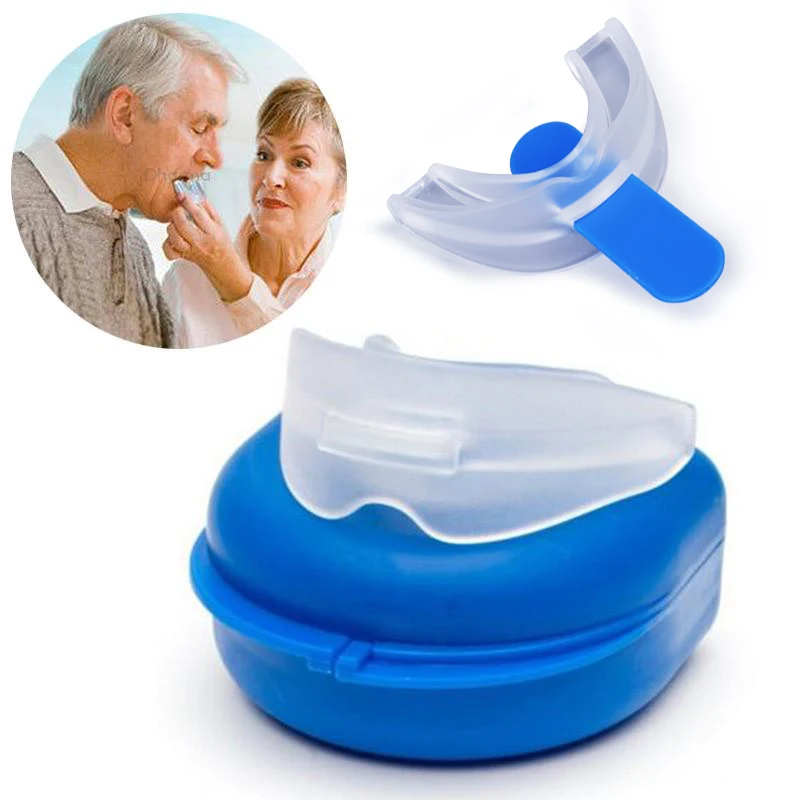
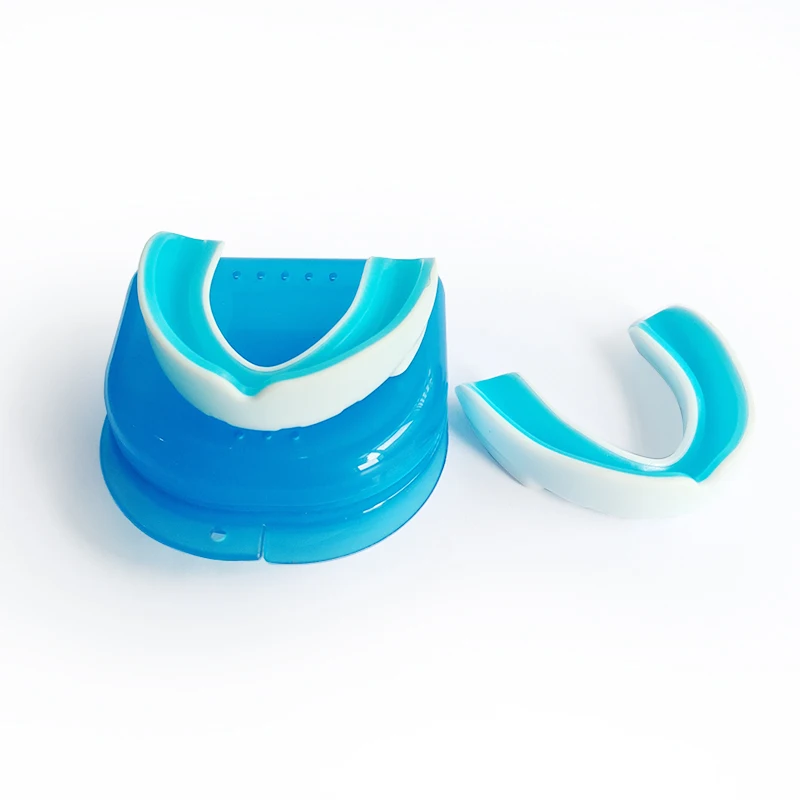
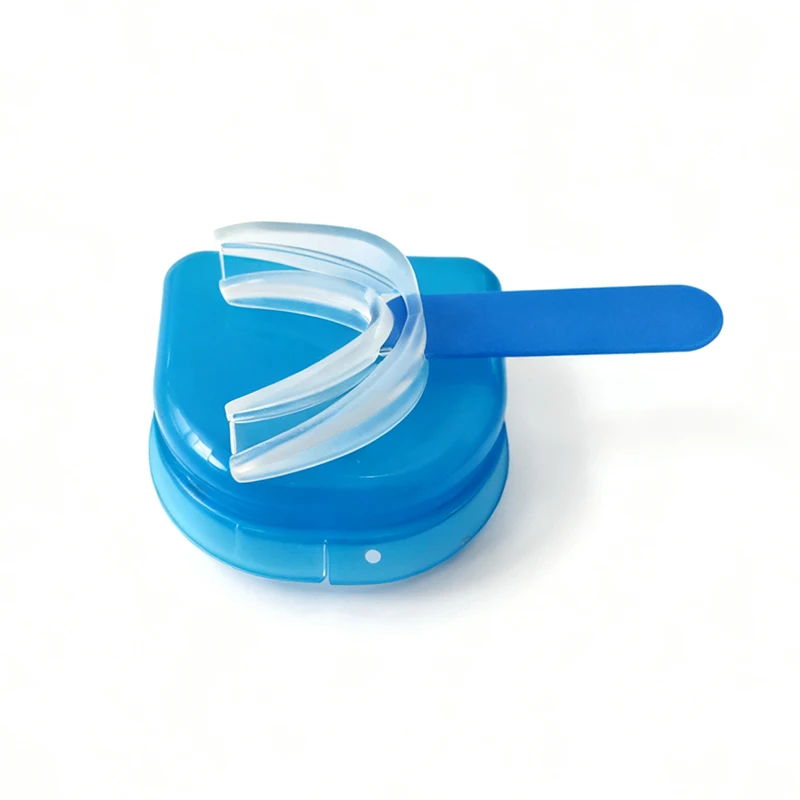
An anti teeth grinding night guard is easy to shop for badly because many products look similar at a glance. The useful question is not which guard makes the boldest promise. It is whether the guard’s intended use, fit approach, material information, and care instructions make sense for your night-time routine. A guard can form one layer of protection from the forces of clenching or grinding; it does not diagnose why those habits occur or replace individualized dental advice.
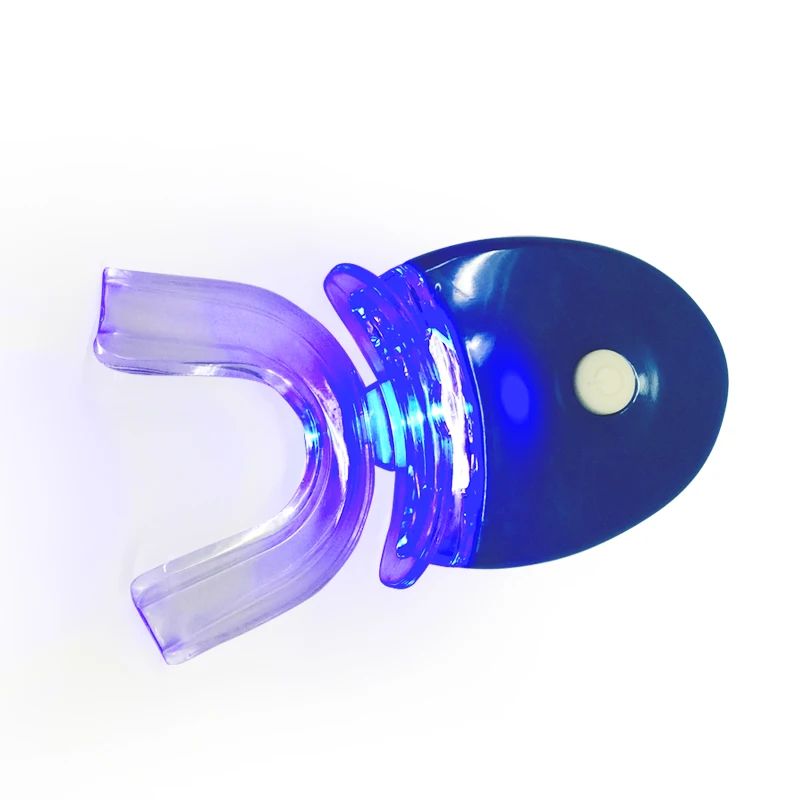
From an oral-health product selection perspective, start with the use goal. An anti teeth grinding night guard is different from a sports mouth guard, a whitening tray, or a sleep-related appliance. Those items can share a general shape, but they are designed around different situations. Separating the purpose first keeps the rest of the comparison more honest.
Start With the Problem You Want the Guard to Address
Before comparing an anti teeth grinding night guard, describe what you notice: waking jaw tension, worn tooth surfaces, a partner hearing grinding, a guard that falls out, or discomfort with a previous design. This is not a self-diagnosis checklist. It is a way to make a clearer product conversation and to recognize when symptoms deserve a dentist’s assessment.
A useful boundary matters here. If you have tooth pain, a loose tooth, bleeding gums, changes in your bite, severe jaw pain, or a damaged restoration, do not treat a retail guard as a substitute for professional evaluation. The same applies when a child needs an appliance or when sleep breathing concerns are part of the picture.
Choose the Fit Method Before You Focus on Price
Fit is often the first practical difference between one anti teeth grinding night guard and another. A stock or boil-and-bite format may appeal when you want a quick, adjustable starting point. A custom-made format uses an impression or scan process intended to follow an individual dental arch more closely. Neither label alone tells you whether it will feel right; the instructions, trim line, retention, and your own dental situation still matter.
When assessing fit, ask whether the product explains which arch it is designed for, how it is trimmed, how it should sit, and what to do if it pinches or will not stay in place. Do not force an anti teeth grinding night guard into position or keep using one that creates persistent soreness. A comfortable guard should be secure enough to wear as intended without becoming another source of irritation.
Questions worth asking about fit
- Is the anti teeth grinding night guard meant for the upper teeth, lower teeth, or either arch?
- Does the supplier provide clear molding, fitting, and remolding instructions?
- Are there stated limitations for braces, crowns, bridges, implants, or other dental work?
- What is the return, remake, or adjustment process if the fit is not workable?
Match Material and Thickness to the Stated Use
Material descriptions are helpful only when they are specific enough to compare. For an anti teeth grinding night guard, look for the material type, whether it is single- or dual-layer, the claimed thickness options, care limits, and any available documentation. A thicker option may sound more protective, while a thinner option may feel less bulky. In practice, the right choice depends on the product design, the person’s habits, and advice from a dental professional when needed.
A dental night guard should not be selected solely because it is described as “soft,” “hard,” or “heavy duty.” Ask what those terms mean in that seller’s own specifications. If that information is absent, it is reasonable to pause rather than infer performance. For channel buyers, this is also the point to request product documentation and packaging details instead of relying on broad marketing language.

Compare Comfort Features Without Treating Them as Guarantees
Comfort can determine whether an anti teeth grinding night guard is actually worn consistently. Check the edge finish, stated profile, tongue space, cleaning guidance, and whether a storage case is included. These details do not guarantee comfort, but they make the comparison more concrete than a general claim that a guard is “better.”
Be careful with claims around jaw conditions or sleep. A night guard may be marketed for clenching, but an anti teeth grinding night guard is not automatically appropriate for every form of facial pain, headache, or sleep complaint. If symptoms are new, worsening, or difficult to explain, professional advice can help determine whether a guard is appropriate and what type of evaluation is needed.
Use a Simple Selection Matrix
| What to compare | Why it matters | What to verify |
|---|---|---|
| Intended purpose | Keeps grinding protection separate from sports or whitening products. | Product description and use boundaries. |
| Fit method | Affects retention, bulk, and the fitting process. | Arch coverage, instructions, and adjustment options. |
| Material information | Helps you compare a medical anti grinding product description on evidence rather than labels. | Material type, layers, thickness options, and care information. |
| Support pathway | Matters when the guard does not fit or symptoms continue. | Customer support, remake terms, and dental referral boundaries. |
For a retailer, clinic, or pharmacy evaluating a bulk dental mouth guard offering, the same logic applies. Confirm the product’s intended audience, exact product information, packaging, labeling, and support process before presenting it as a solution. The goal is accurate selection language, not a promise that one format suits every customer.
How to Read Labels for a Dental Anti Grinding Guard
A label that says dental anti grinding should start a comparison, not end it. For a dental anti grinding option, ask whether the description identifies its intended night-time use, arch coverage, material, molding process, cleaning instructions, and limits. A dental anti grinding listing is more useful when it makes those details easy to verify instead of relying on a vague durability claim.
The phrase medical anti grinding can also sound more specific than the supporting information actually is. Treat a medical anti grinding description as a prompt to review available documentation and appropriate-use information, not as proof of a clinical result. If medical or dental concerns are involved, individual professional advice remains the appropriate route.
Care and Replacement Are Part of the Decision
An anti teeth grinding night guard needs routine cleaning and a dry, protected storage location according to its instructions. Avoid high heat unless the manufacturer specifically allows it, and inspect it for distortion, tears, cracks, rough edges, odor, or changes in fit. A damaged or badly fitting guard is a reason to stop and seek guidance rather than continue out of habit.
Replacement timing is not universal. Wear patterns, grinding intensity, material design, and care all vary. Instead of accepting a generic schedule, monitor the anti teeth grinding night guard and ask a dental professional or seller how the particular product should be assessed for ongoing use.
What a Dental Mouth Night Guard Listing Should Explain
When comparing a dental mouth night guard, look for clear fitting, cleaning, storage, and wear-review instructions. A dental mouth night guard listing should not obscure questions about existing dental work or bite changes.
A dental night guard should be judged by its stated use and fit pathway. If it feels loose, painful, or different after dental treatment, stop using it and ask for appropriate guidance.
Bring Better Questions to Your Next Purchase
The strongest choice is rarely the one with the most dramatic claim. A suitable anti teeth grinding night guard should have a clearly stated purpose, a fit method you understand, material and care information you can verify, and a sensible route for help if the product is uncomfortable or your symptoms continue. This approach also prevents a common mistake: treating a dental appliance as a universal answer to a health concern.
Before you buy, write down your use goal, relevant dental work, previous fit issues, and questions about material or cleaning. Then compare those answers across options. That preparation makes it easier to choose an anti teeth grinding night guard thoughtfully and to recognize when a dentist should guide the decision.
Frequently Asked Questions
Can I use an anti teeth grinding night guard if I have dental work?
It depends on the type of dental work and the product’s fit instructions. Do not assume a standard format will suit braces, crowns, bridges, implants, or a changing bite. Ask a dental professional when you are unsure.
Is a soft guard necessarily more comfortable?
Not necessarily. Comfort depends on fit, edge shape, profile, and individual tolerance as well as material. Compare the stated design information instead of relying on one broad material label.
Can a night guard cure teeth grinding?
A guard may help protect teeth from grinding-related contact, but it does not establish or treat the underlying cause. Persistent pain, bite changes, or other concerning symptoms should be assessed by an appropriate professional.


 Hot News
