 EN



Bulk Mouth Guard For Teeth Grinding At Night At Competitive Factory-Direct Pricing
For a wholesaler, pharmacy buyer, clinic channel, or online seller, sourcing a mouth guard for teeth grinding at night is not simply a question of finding the lowest unit quote. The useful comparison starts with the resale purpose, the information your downstream customers will need, and the proof a supplier can provide. This guide is written from a wholesale buyer’s viewpoint: clarify the request, compare like with like, and keep unverified claims out of the listing.
A night guard is commonly discussed in connection with overnight grinding or clenching. That context matters, but product information is not a substitute for individual dental assessment. For B2B sourcing, the practical goal is to prepare a well-defined product brief that supports clear supplier communication and responsible channel presentation.
Start with the intended product position
The phrase mouth guard for teeth grinding at night can describe very different offers. Some buyers need an entry-level moldable item for e-commerce; others need a more structured product for a clinic or pharmacy assortment. Before asking for a quote, state how the item will be positioned, who will receive the product information, and which claims your channel is permitted to make.
It helps to separate three questions that are often mixed together: what the product is designed to be used for, what specifications are documented, and whether an individual consumer needs professional advice. Keeping those questions apart gives a buyer a clearer basis for comparing suppliers without implying that every product suits every person.
Build a specification brief before comparing factory price
Factory price is only comparable when the product, documentation, and commercial terms are comparable. A supplier quotation for a mouth guard for teeth grinding at night should be reviewed against a written brief rather than a short product name. Ask the supplier to identify which details are confirmed and which still require verification.
- Product format: Clarify whether the request concerns a boil-and-bite style product, a custom-mold workflow, or another defined construction. Do not treat different formats as interchangeable.
- Material and construction documentation: Request the material description, construction description, and any available supporting records. General market descriptions of acrylic or layered constructions are not evidence for a particular SKU.
- Size and fit information: Confirm the size range, fitting instructions, age or user-positioning boundaries, and the method used to communicate a comfortable fit. “Comfortable fit” should be supported by the product’s actual instructions and specifications, not used as a blanket promise.
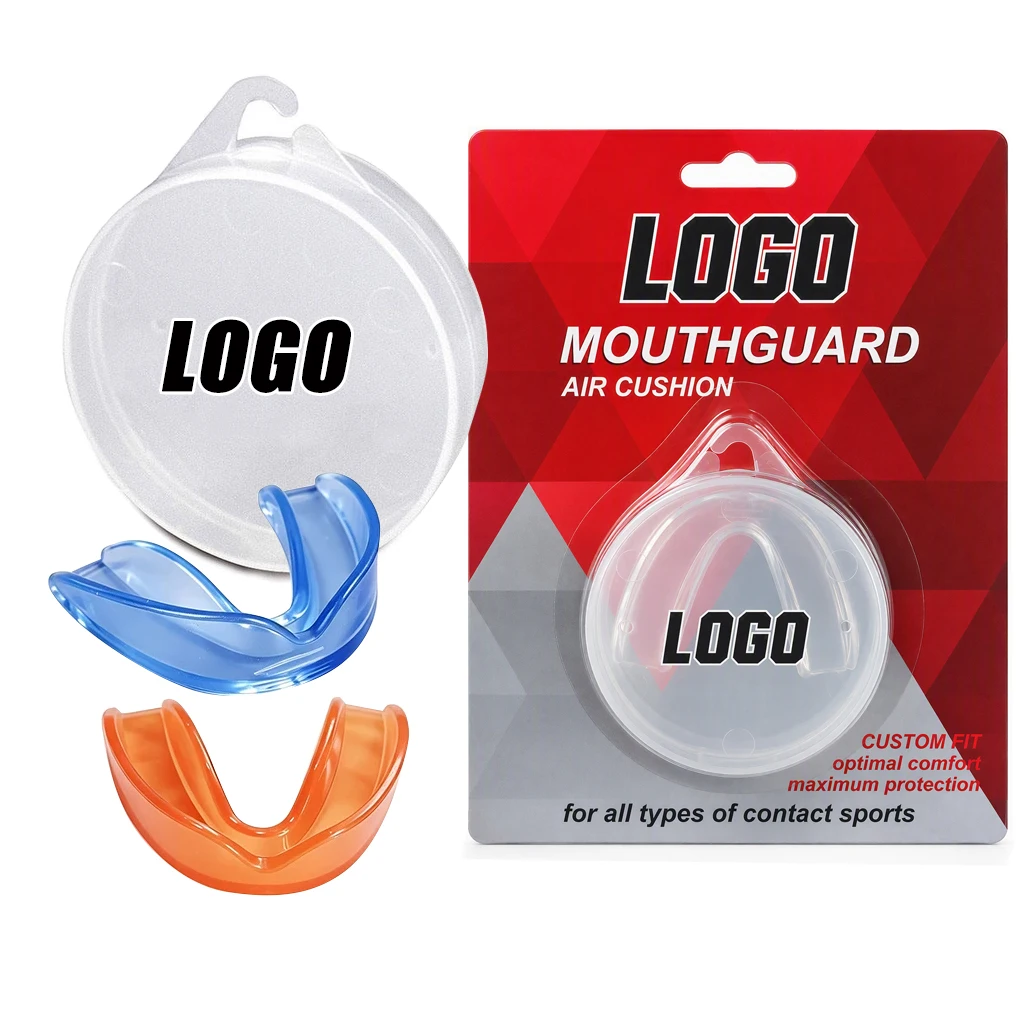
- Packaging and labeling: Specify storage case requirements, insert language, barcode needs, private-label artwork, and carton configuration before approving a price.
- Channel documents: List the specifications, images, warnings, and claims review materials needed for your target marketplace, pharmacy, clinic, or wholesale catalog.
From a purchasing standpoint, this change is important: move from a single-price question to a set of confirmation questions. A lower number may be less useful if it excludes the packaging, documentation, or review work needed to list the item later.
Use a total-work comparison, not a headline-price comparison
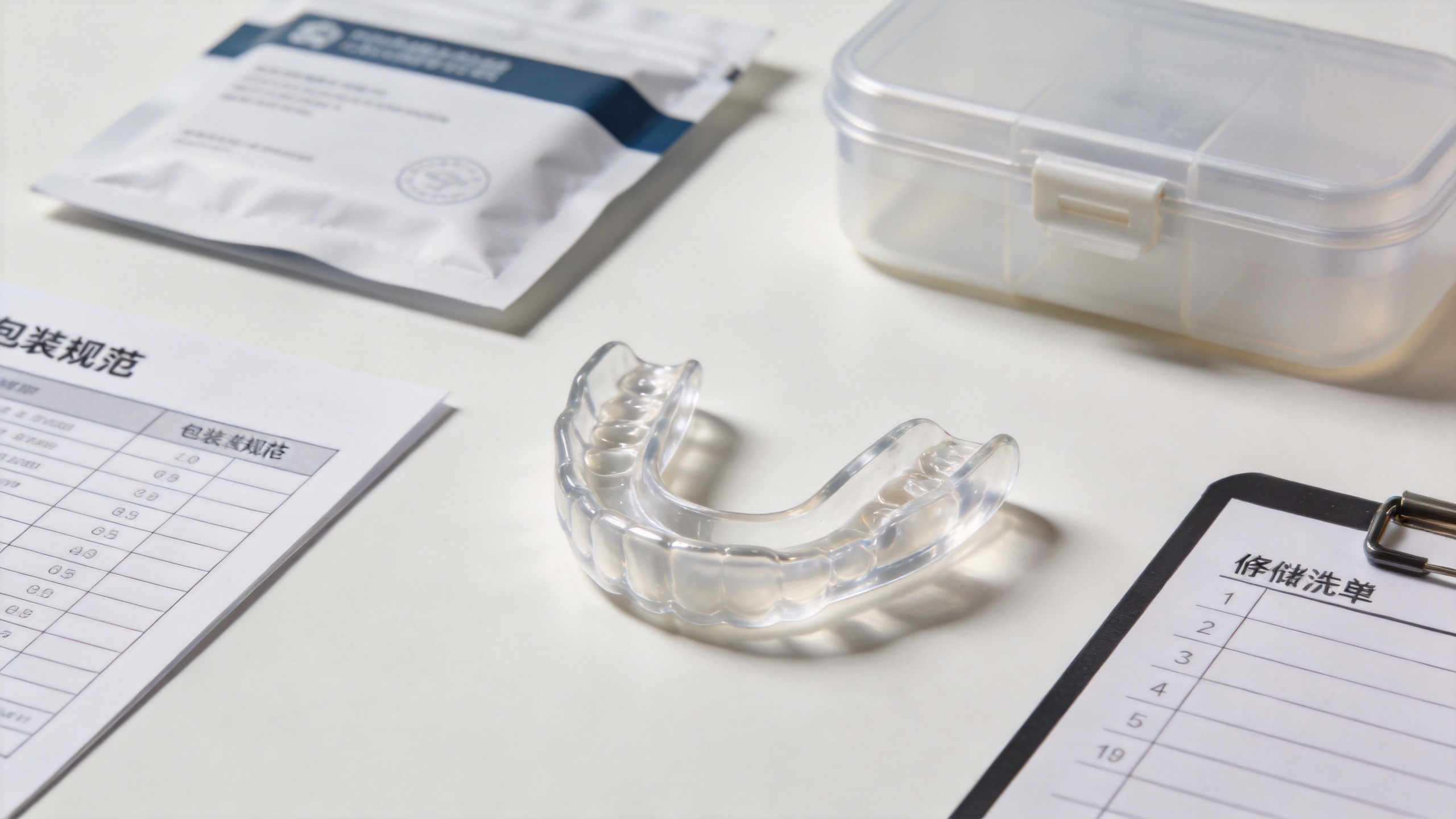
Competitive factory-direct pricing can be valuable, but only after the scope is aligned. For each supplier, keep a side-by-side sheet with the same fields: product format, order quantity, unit quote, packaging scope, artwork process, lead-time assumptions, sample status, and documentation supplied. If one quotation includes a case, printed insert, or packaging work and another does not, they should not be described as equivalent offers.
This approach also prevents a common sourcing mistake: assuming that a factory price alone defines total purchasing cost. The downstream workload may include artwork revisions, listing copy review, label translation, sample checks, inventory handling, and customer-service guidance. A structured comparison makes those costs visible without making unsupported claims about any factory’s pricing advantage.
How to evaluate comfort and fit language responsibly
“Comfortable fit” is an appealing phrase, but it needs careful handling for a mouth guard for teeth grinding at night. Fit can depend on product design, instructions, the user’s mouth, and the intended use. Buyers should request the exact fitting directions and review how the supplier describes the product’s boundaries. Avoid turning a general comfort objective into a medical or universal performance claim.
For retail or marketplace content, use product-specific, supportable language. For example, a listing can explain that buyers should follow the supplied fitting instructions and review the stated product information. It should not claim that the product treats a condition, resolves pain, or is appropriate for everyone. Where a consumer has significant dental concerns, professional guidance remains appropriate.
Set up a practical supplier review sequence
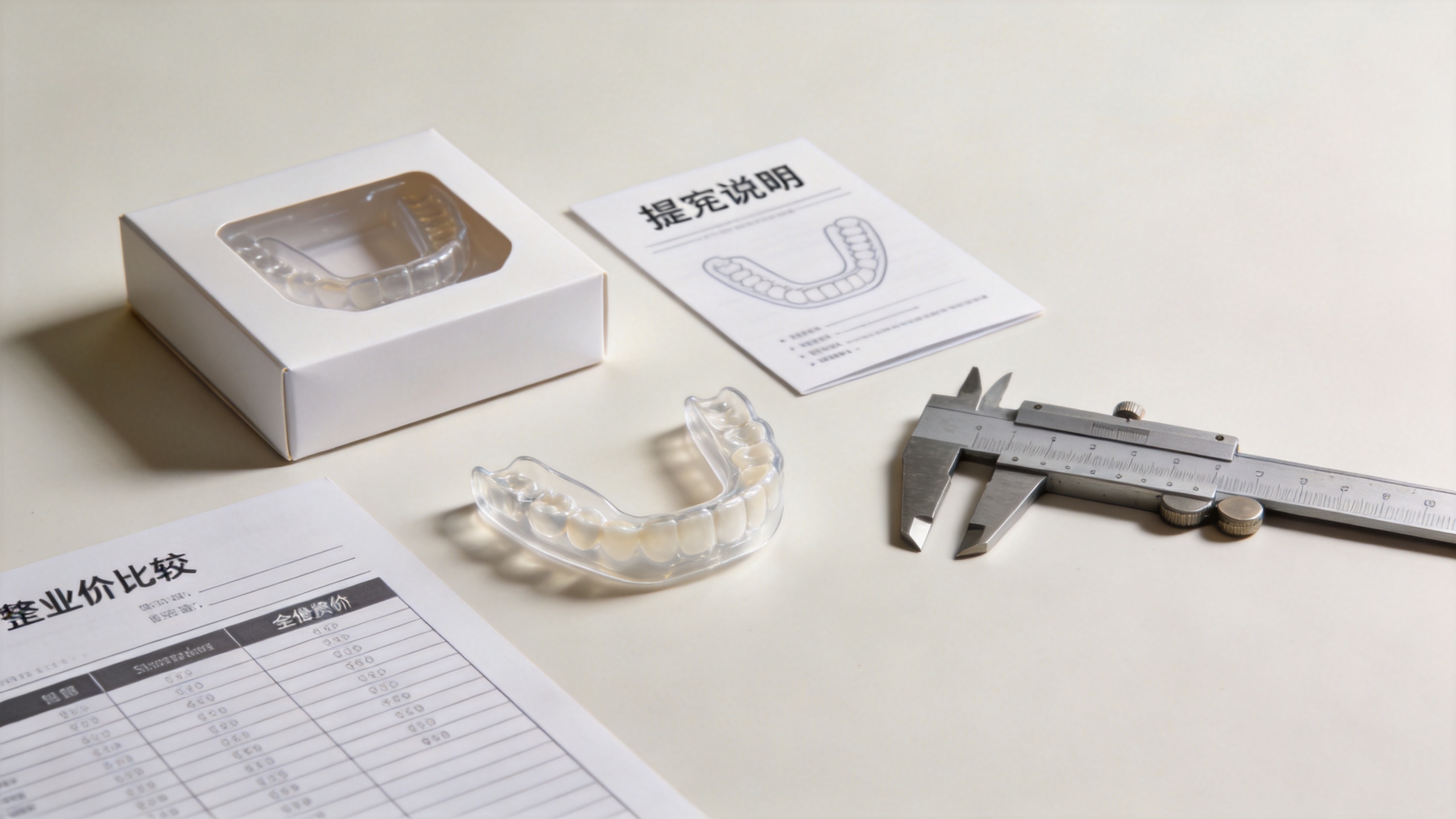
- Send a complete inquiry. Include target channel, intended product position, estimated order quantity, packaging needs, and requested documents.
- Confirm the sample scope. Record what the sample represents and which production details may change after artwork or packaging is finalized.
- Review the evidence pack. Check materials descriptions, size or fitting information, packaging proofs, warning text, and any other records relevant to your channel.
- Compare quotations on the same basis. Match quantities, package components, artwork responsibilities, and shipment assumptions before discussing factory price.
- Approve listing language last. Base the final product page on confirmed information, not on an early inquiry response or a competitor-style claim.
This sequence works well for a mouth guard for teeth grinding at night because it gives the buyer a clear trail from product brief to channel-ready information. It also makes it easier to distinguish facts already provided by a supplier from matters that still require confirmation.
Questions to include in a factory-direct request
| Question area | What to ask | Why it matters |
|---|---|---|
| Product definition | What is the intended product format and use description? | Prevents unlike products from being quoted as though they were the same. |
| Specifications | Which material, construction, size, and fitting details are documented? | Supports accurate comparison and channel content preparation. |
| Packaging | What case, insert, label, and carton options are included in the quote? | Shows whether the factory price includes the presentation your channel needs. |
| Artwork and labels | What files, approvals, and lead-time assumptions are required? | Helps avoid late changes to private-label packaging. |
| Claim boundaries | Which product statements are supported by records, and which should not be used? | Reduces the chance of turning general product information into an unverified health claim. |
Choose the right next step for your channel
For a wholesale catalog, prioritize a consistent specification sheet and packaging breakdown. For e-commerce, prioritize approved images, fitting instructions, storage information, and claim review. For clinic or pharmacy channels, place extra emphasis on clear product boundaries and the documents those channels need to evaluate an item. In every case, keep product facts, customer guidance, and professional health decisions separate.
Xiamen Yizhou Imp. & Exp. Co., Ltd. serves buyer groups that include wholesalers, e-commerce platforms, clinics, and pharmacies, with a product scope that includes night-use mouthguard categories. A useful inquiry should therefore state the channel first and ask for the supporting product information needed for that channel. Any specific material, size, packaging, or performance statement should be confirmed in the current product documentation before it is published.
A final checklist for bulk buyers
- Have you defined the exact mouth guard for teeth grinding at night format and intended channel?
- Are unit price, packaging, artwork, and quantity being compared on the same scope?
- Do you have documented material, size, fitting, and labeling information for the item you plan to list?
- Are “comfortable fit” and other customer-facing phrases supported by the product information rather than used as guarantees?
- Have you separated a factory quote from the full cost of channel preparation and ongoing communication?
Bulk sourcing becomes more reliable when the brief is complete and the comparison is transparent. Ask for the documents that support your channel, compare equivalent quotations, and reserve final claims for information that is actually verified. That process gives factory-direct pricing its proper context while helping you build a more dependable product offer.


 Hot News
