 EN



Are You Looking For Custom Night Mouth Guard For Braces For Orthodontic Patients?
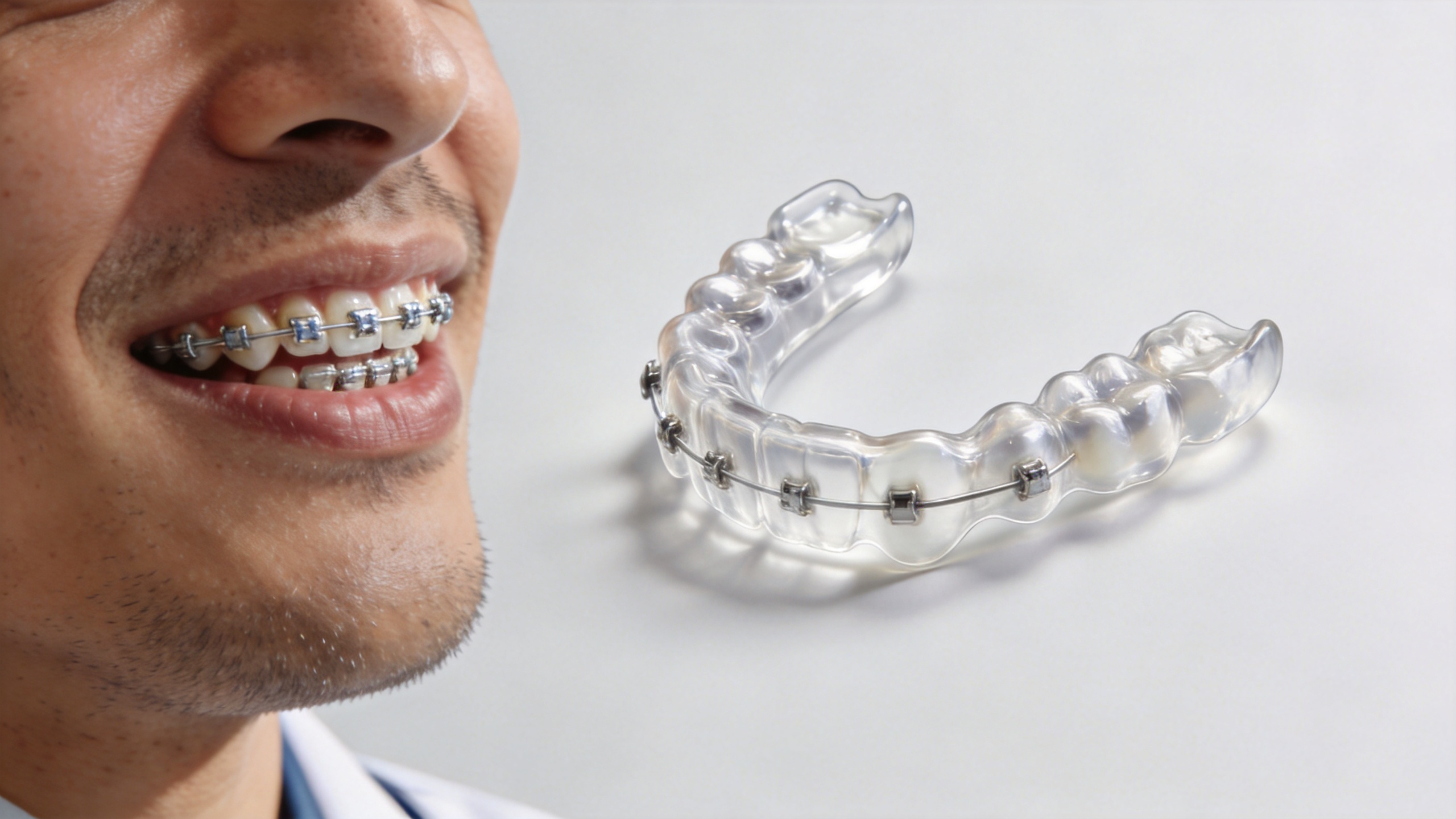
If you are searching for a night mouth guard for braces, begin with one important distinction: a guard for sleep is not automatically appropriate just because you wear braces. During orthodontic treatment, teeth and bite relationships are being actively managed. A guard that once fit well, or a generic option that feels comfortable on day one, may not match the plan your orthodontist is following.
From a dental-channel content perspective, the safest answer is practical rather than absolute. A night mouth guard for braces can be a topic to discuss when you clench or grind during sleep, but your treating orthodontist or dentist should decide whether a guard is suitable, what design is appropriate, and when it needs to be reviewed. This article explains the questions worth taking to that conversation.
First, separate a night guard from a sports mouthguard
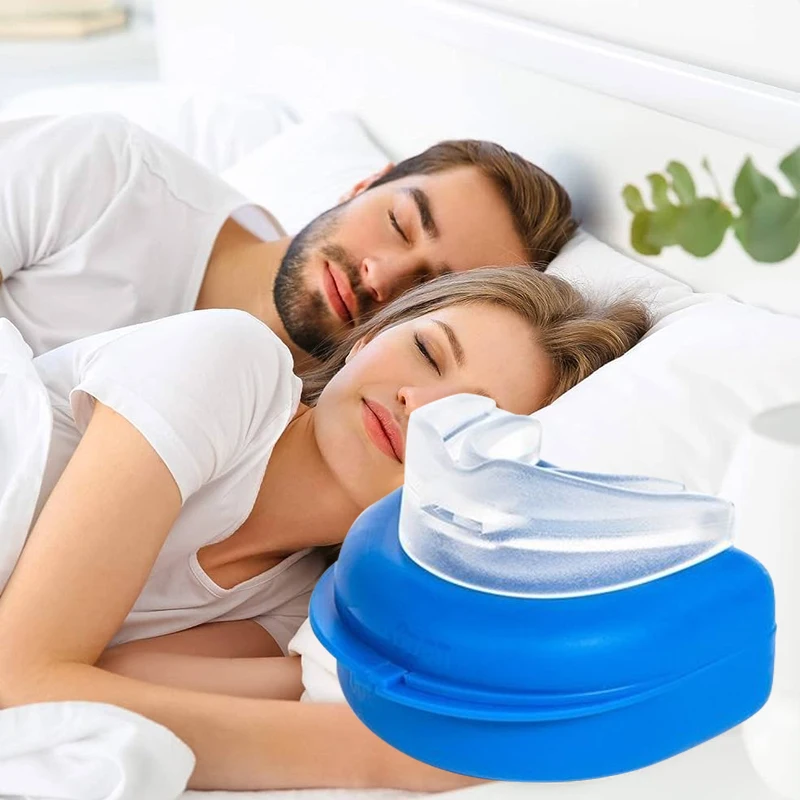
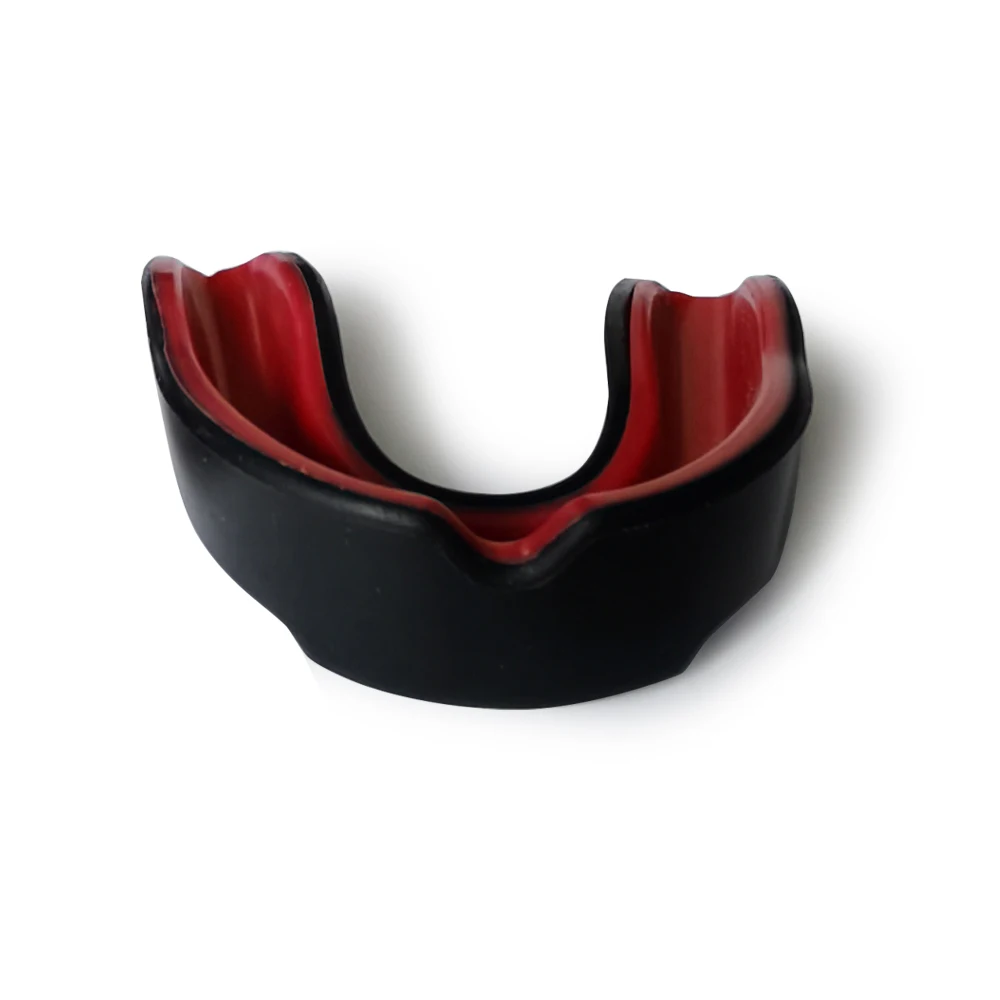
The words “mouth guard” cover products with different jobs. A sports mouthguard is intended to help cushion impacts during athletic activity. A night mouth guard for braces, by contrast, is usually discussed in connection with nighttime clenching or grinding. The AAO glossary describes bruxism as grinding the teeth, usually during sleep, and describes a nightguard as a removable appliance worn at night to help minimize wear related to clenching or grinding.
That does not mean a sports product can simply be repurposed for sleep, or that a sleep guard can be selected like routine sports equipment. The purpose, fit, and professional instructions need to match the actual situation. When braces are involved, the distinction matters even more because the appliance and tooth positions can change over time.
Why braces change the decision
It is tempting to ask only, “Can I wear a night mouth guard for braces?” A better question is, “What does my orthodontic treatment need right now?” Braces are designed to move teeth according to a treatment plan. Any removable appliance that contacts the teeth or brackets should be assessed in that context rather than chosen from a general product description.
This is where consumer language should not replace professional judgment. Your orthodontist can consider factors that an online checklist cannot see, such as your current stage of treatment, whether your teeth are changing rapidly, the condition of brackets or wires, your reported grinding symptoms, and whether another approach is more appropriate. If a guard is recommended, it may require follow-up checks as treatment progresses.
When to ask your orthodontist or dentist
Bring up a night mouth guard for braces if you notice signs that may be associated with nighttime clenching or grinding, such as waking with jaw discomfort, noticing tooth wear, or hearing from a sleep partner that you grind. These observations are reasons to ask for an assessment, not reasons to self-diagnose or order a one-size-fits-all solution.
Ask promptly if a current appliance feels tight, presses on brackets, rocks, cracks, causes soreness, or no longer seems to fit after an adjustment. Do not try to force it over braces, trim it yourself, or continue use simply because it was comfortable previously. A changed fit can be meaningful during orthodontic treatment.
Questions to take to the appointment
A productive conversation about a night mouth guard for braces is specific. Instead of seeking a single answer in the abstract, use questions that help the clinician match a recommendation to your treatment.
- Do my symptoms suggest that nighttime grinding or clenching should be assessed?
- Is a night mouth guard for braces appropriate at my current treatment stage?
- If it is appropriate, should it be professionally made, adjusted, or checked at set intervals?
- How should it fit around my current brackets and wires?
- What changes in comfort, fit, or appliance condition mean I should stop using it and call the office?
- Would a custom night guard be reviewed differently from an over-the-counter option in my case?
These questions keep the discussion focused on safety and fit. They also recognize that a custom night guard is not a universal shortcut. “Custom” describes how a device may be made or fitted; it does not by itself confirm compatibility with active orthodontic treatment.
What “custom” should mean in this setting
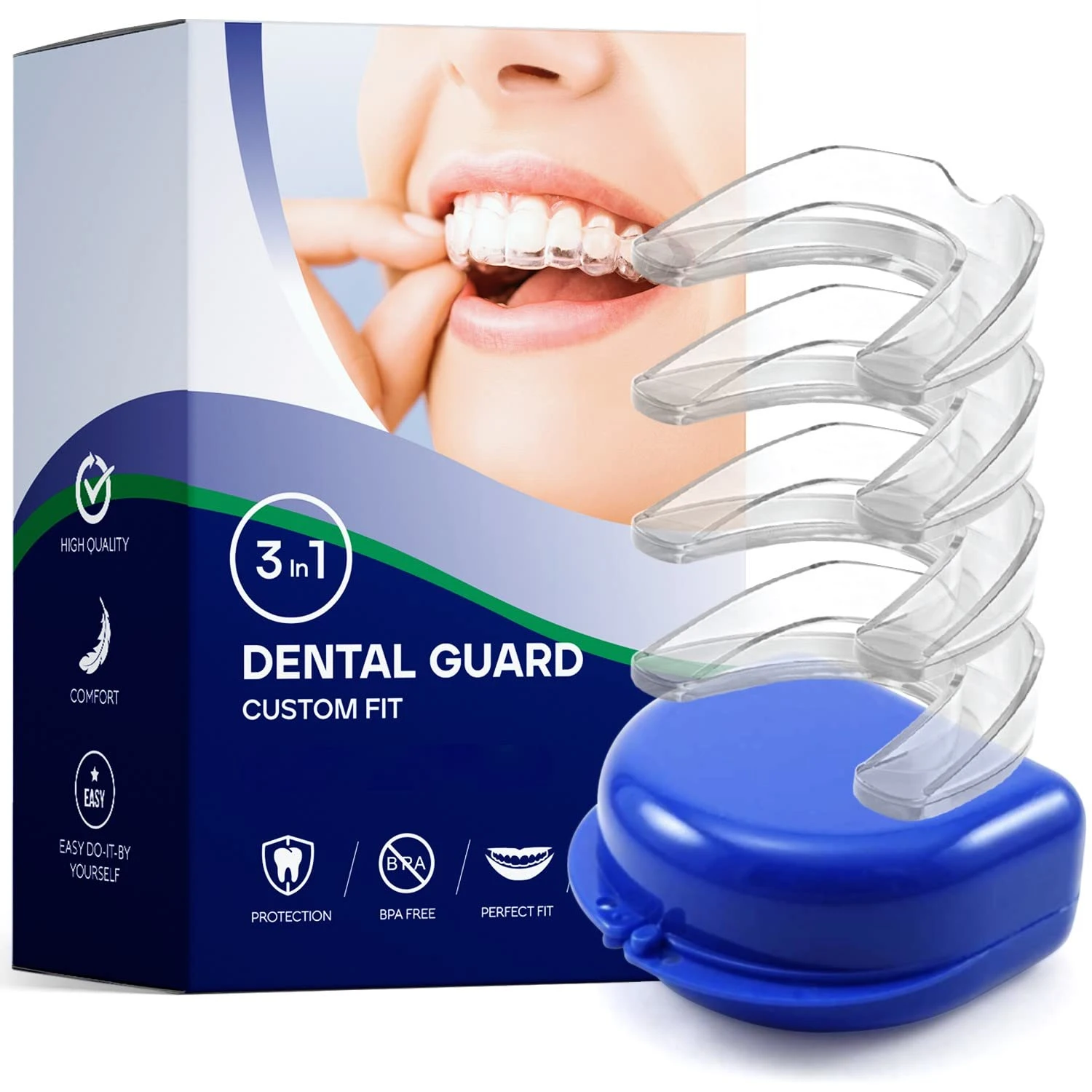
People often search for a custom night guard because they want a closer fit than a stock product offers. With braces, fit should be evaluated against current orthodontic hardware and the direction of treatment. A clinician may need to determine whether an impression, scan, appliance design, material choice, or review schedule is appropriate. Those details are individual clinical decisions, so a responsible supplier or article should not promise that one design will work for every orthodontic patient.
A custom mouth night guard should likewise not be marketed as a treatment for jaw pain, bruxism, or orthodontic problems. It is more accurate to say that the right type of night appliance, if one is recommended, must be chosen and monitored by the professional managing the patient’s oral care.
Keep the safety boundary clear
A night mouth guard for braces is not a replacement for an orthodontic checkup, a diagnosis of bruxism, or instructions from your dentist. It should not be expected to correct braces, speed tooth movement, or resolve every cause of disrupted sleep or jaw discomfort. If you have broken brackets, loose wires, swelling, persistent pain, or a sudden bite change, contact your orthodontic office rather than trying to solve the issue with a guard.
The same caution applies to product claims. A dental night guard may be discussed as a product category, but individual materials, thicknesses, comfort claims, and suitability need supporting product information and professional review. More marketing language does not make an appliance safer or more compatible with braces.
A simple decision path
- Identify the situation. Is the concern sleep-related grinding, sports impact protection, a damaged appliance, or general discomfort? These are not the same issue.
- Check the treatment context. Tell your orthodontist what has changed, when it started, and whether the brace adjustment schedule is current.
- Ask about the right option. If a night mouth guard for braces is recommended, follow the clinician’s instructions for fitting, wear, cleaning, storage, and review.
- Recheck fit over time. Treatment evolves. A device that fit at one visit may need reassessment later.
Final takeaway
Searching for a night mouth guard for braces is reasonable when nighttime grinding or clenching is a concern, but active orthodontic treatment makes professional guidance essential. Start with your orthodontist or dentist, explain the symptoms and your treatment stage, and ask what type of appliance—if any—fits your current plan. That careful approach is more useful than choosing based on a generic label alone.
This article provides general product information, not personal dental or orthodontic advice. For an individual recommendation, consult the dental professional overseeing your braces.

 Hot News
