 EN
EN


Why Storage Conditions Directly Affect Teeth Whitening Kit Potency
Peroxide Degradation: How Heat, Light, and Air Reduce Active Ingredient Efficacy
The active ingredient in most teeth whitening kits—hydrogen peroxide or carbamide peroxide—is chemically unstable. Exposure to heat, light, and air triggers rapid decomposition, releasing oxygen prematurely and depleting the concentration needed for effective whitening. When stored above 25°C, peroxide breaks down significantly faster; UV light accelerates this reaction, while ambient oxygen gradually neutralizes remaining active agents. Over time, gels and strips lose potency, resulting in diminished or negligible results. Keeping kits in a cool, dark, and tightly sealed environment preserves molecular integrity and ensures each application delivers its intended strength.
Clinical Evidence: Measured Potency Loss in Common Storage Scenarios
Controlled studies confirm that real-world storage conditions directly impact efficacy. A kit left in a typical bathroom cabinet—subject to humidity spikes and temperature fluctuations—can lose 20–30% of its active ingredient within two weeks. In a car glovebox during summer, degradation accelerates tenfold, rendering the gel ineffective after just three days. By contrast, storage at a stable 20°C in darkness preserves over 95% of potency for several months. These findings, consistent with FDA guidance on peroxide stability and peer-reviewed research in Journal of Esthetic and Restorative Dentistry, underscore that proper storage isn’t ancillary—it’s foundational to clinical performance.
Optimal Storage Practices for Every Component of Your Teeth Whitening Kit
Each component of your teeth whitening kit requires tailored handling to maintain integrity. Peroxide-based gels are especially vulnerable to environmental stressors, and clinical data shows improper storage can reduce potency by up to 40%. Consistent adherence to best practices ensures predictable, safe, and effective outcomes.
Gel, Strips, and Trays: Temperature, Light, and Container Requirements
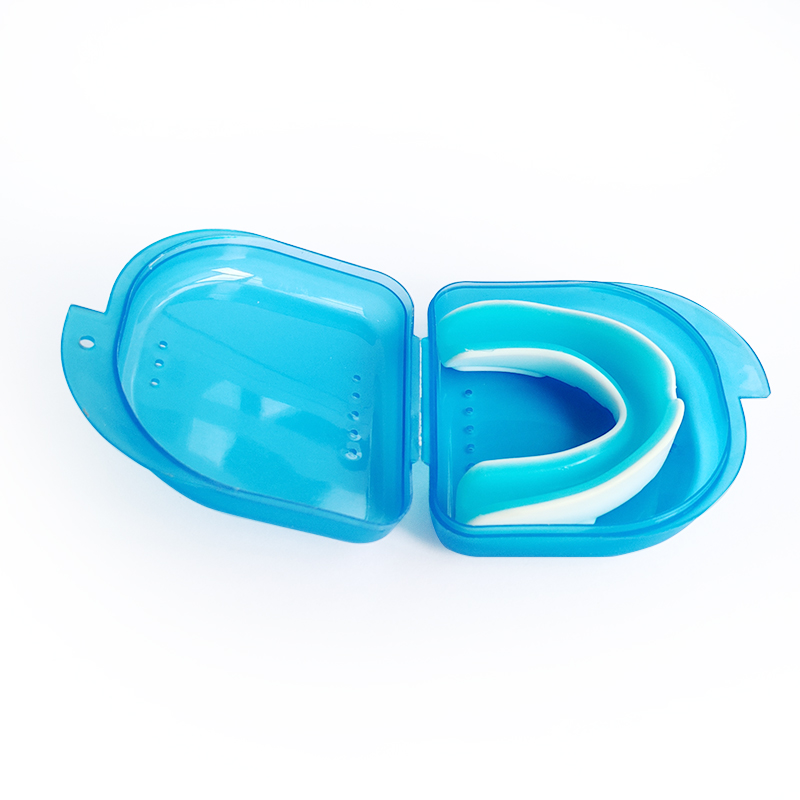
Store whitening gel syringes or pens upright in their original opaque containers with caps fully sealed to limit air exposure. Ideal storage temperatures range from 10°C to 15°C (50°F to 59°F)—cool enough to slow decomposition, but above refrigeration thresholds that risk condensation. Trays and strips should remain in rigid, light-blocking cases, away from moisture-prone areas like near sinks or showers. Avoid translucent or clear storage boxes entirely: even low-intensity ambient light catalyzes peroxide breakdown, as confirmed by stability testing protocols outlined in ISO 10993-12.
Refrigeration Guidelines: When It’s Beneficial vs. When It Risks Condensation Damage
Refrigeration can extend gel viability in consistently warm climates—but only when done correctly.
- Beneficial: Recommended when ambient temperatures regularly exceed 25°C (77°F), per manufacturer guidelines from leading U.S. dental product brands.
- Risky: Repeated cycling between cold and warm environments introduces condensation inside gel chambers, diluting concentration and promoting microbial growth.
- Solution: Place sealed gel containers in airtight plastic bags before refrigerating, and allow them to equilibrate to room temperature for 15–20 minutes before use. This prevents moisture contamination while preserving shelf life.
High-Risk Locations to Avoid for Teeth Whitening Kit Storage
Storing a teeth whitening kit in the wrong location can compromise its efficacy long before the printed expiration date. Three common household spots pose unacceptable risks due to their combined thermal, photic, and humid stressors.
Bathroom Cabinets, Cars, and Sunlit Counters — Why They Accelerate Degradation
Bathroom cabinets expose kits to repeated humidity surges from showers and wide temperature swings—conditions shown to accelerate peroxide hydrolysis in accelerated stability studies. Cars act as thermal amplifiers: interior temperatures routinely exceed 60°C (140°F) in summer, triggering near-instantaneous gel degradation, while winter freezes can fracture trays and destabilize emulsions. Sunlit counters—even behind glass—allow UV-A and visible blue light to penetrate packaging, initiating photo-oxidation of peroxide compounds. Even indirect daylight weakens whitening strips over days, not weeks. For reliable performance, store kits in a cool, dry, dark drawer or cupboard—not in any of these high-risk zones.
Tracking Viability: Expiration Dates, Signs of Compromise, and Proactive Replacement
Maintaining whitening efficacy depends on vigilant viability tracking. Expiration dates reflect validated stability data under controlled conditions—not arbitrary cutoffs—and signal when peroxide concentration falls below clinically effective thresholds. Look for objective signs of compromise: gel discoloration (yellowing or browning), phase separation, sour or acrid odors, or unexpected thickening or crystallization. These indicate advanced decomposition and potential pH shifts that may irritate oral tissues. Mark purchase dates on packaging and set calendar reminders 6–8 weeks before expiration—especially if stored outside ideal conditions—to ensure timely replacement. This proactive approach aligns with ADA-recommended home-care maintenance protocols and supports consistent, safe, and evidence-based whitening outcomes.
FAQ
Q: Why does peroxide degrade in teeth whitening kits?
A: Peroxide compounds like hydrogen and carbamide peroxide are chemically unstable. Exposure to heat, light, and air triggers rapid decomposition, releasing oxygen prematurely and reducing the active ingredient's efficacy.
Q: Can I refrigerate my teeth whitening kit?
A: Yes, refrigeration can be beneficial if ambient temperatures exceed 25°C (77°F). However, ensure the gel containers are sealed in airtight plastic bags to prevent condensation and associated risks.
Q: How can I identify if my whitening gel is compromised?
A: Look for signs such as yellowing, browning, phase separation, sour or acrid odors, or an unexpected change in texture, like thickening or crystallization.
Q: Where is the best place to store my kit?
A: Store your teeth whitening kit in a cool, dry, and dark drawer or cupboard to avoid risks from heat, humidity, and light exposure.
Q: Why is the expiration date important?
A: Expiration dates reflect validated stability data, signaling when the peroxide concentration falls below clinically effective thresholds.