 EN
EN


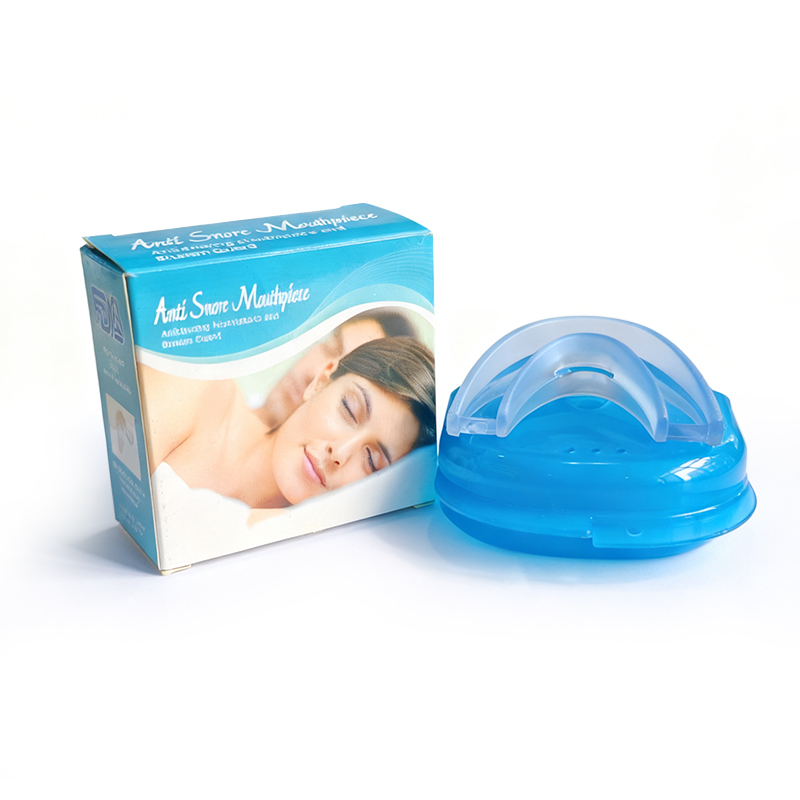
Biomechanical Risks: How Anti-Snore Mouthguards can Cause Jaw Pain
TMJ pain from aggressive or uneven mouthpiece protrusion
It isn’t uncommon to develop TMJ with an anti-snore mouthguard. The mouthguard moves the jaw forward in order to keep the airway open, but if the mouthpiece extends too far (over 70% of the comfortable limit for the individual), it puts the ligaments and disc of the TMJ at risk. If the mouthpiece design is single-arch, it further exacerbates this issue by providing a pattern of unbalanced loading on the jaw. Patients tend to describe:
Decreased range of motion and jaw stiffness in the morning
Clicking or popping of the jaw
Pain in the jaw with radiation to the ears or temples
Chronic TMJ issues can lead to disc displacement or osteoarthritis of the joint.
Myofascial pain caused by nocturnal clenching due to mouthguards that are too rigid and not adjustable
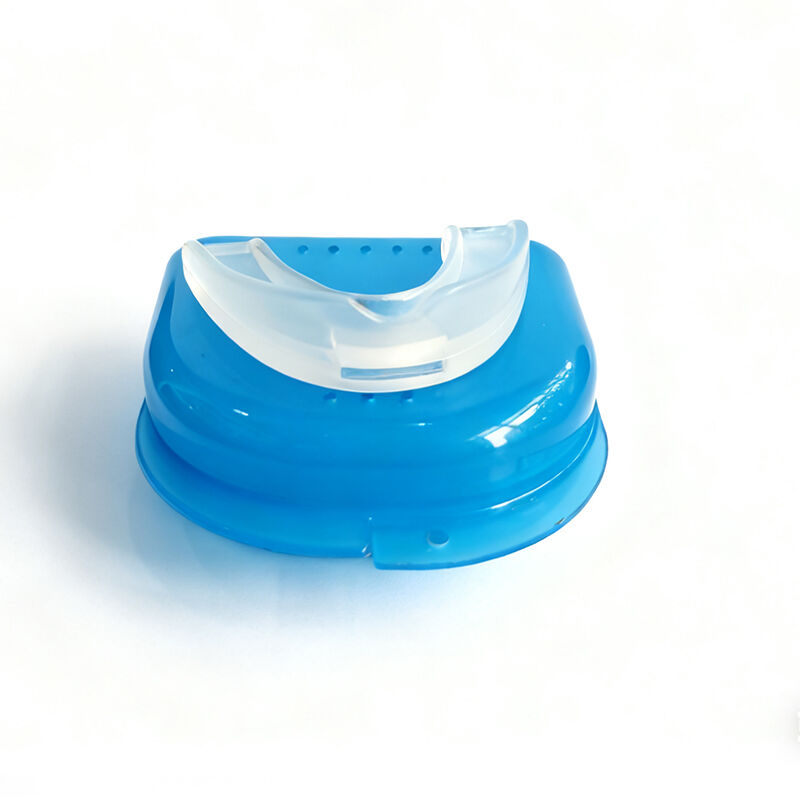
Some mouthguards are made of a warm thermoplastic that becomes soft and moldable to the mouth. The mouthguard restricts the micro-movements of the jaw, and as a result, the jaw muscles of the mouth and the muscles of the jaw end up getting overactivated. This can cause myofascial pain with symptoms of:
General pain to the face and mouth upon waking
Painful pressure points on the body
Clenching during the night
Clenching of the jaw during the night causes an overload to the jaw and TMJ when the load causes an even greater strain to the jaw and TMJ. The design of the mouthguard makes this even worse for the user, which explains the high rates of discontinuation of the mouthguard within the first month due to discomfort.
Adjustment Mandibular Advancement: Necessary Element for Jaw Safety
Fixed position anti-snore mouthguards force a constant non-custom advancement, usually beyond physiological limits, resulting in excessive tensile forces on TMJ ligaments and discs. Improper advancement has been shown to increase condylar displacement as much as 42% when compared to advancement positioned in an anatomic fashion (Journal of Dental Sleep Medicine, 2023). Chronic overloading is a key factor in TMJ disorders and morning pain in the jaw that affects 68% of users of mouthguards with fixed mechanisms within the first three months of use.
The micro-adjustable anti-snoring mouthguards ease the loading of TMJ and improve its tolerance for the following reasons.
Micro-adjustable mechanisms redesign mandibular advancement from a biomechanical risk to a titratable therapy. With adjustment increments as small as 0.25-0.5 mm, users can pinpoint their minimum effective advancement, the lowest position that keeps the airway open and does not cause strain. This provides the following benefits:
Reduction of compressive loading: Slow advancement prevents the displacement of the condyles in an anterior position from the mandibular fossa, thus reducing the compressive loading of the retrodiscal tissues by as much as 57% when compared to fixed devices (TMJ Biomechanics Study, 2023).
The adaptive neuromuscular response: These advancements occur slowly and allow the masticatory muscles to maintain equilibrium without the need to contract, thus reducing the activity of the masseter muscle during the night by 39%.
From a clinical perspective, micro-adjustable devices achieve the same level of apnea reduction (AHI reduction ≥50%) while reducing morning jaw pain by 81% when compared to the fixed devices. This improved comfort and reduced pain motivate users to continue using the device. 92% of users of adjustable devices continued their use beyond six months compared to a mere 43% of users of fixed position devices.
Custom Fit Technology: Achieving Pressure Equilibrium and Optimal Retention
Comparison of Dual-layer Thermomolding and Boil-and-Bite Technology and its Effects on Occlusal Equilibrium and Jaw Stability
A poor fit applies localized forces on teeth and jaw joints, amplifying discomfort strain and making jaw strain chronic. Thin soft layers, common in boil-and-bite devices, yield uneven thickness in thermomolded layers, thus in-sleep migration. In a 2023 study, boil-and-bite devices resulted in an opening of jaw in 62% cases, compared to a mere 18% when using custom dual-layer devices (American Academy of Dental Sleep Medicine, 2023).
The outer shell of dual-layer thermomolding has strong retention to maintain device shape, while the inner shell layers conform to jaw structures. Thermomolding of dual layers causes even distribution of occlusal pressure through the dental arch, thus alleviating TMJ loading. Perfect retention prevents unforeseen alignment of jaw, which causes chronic pain and discomfort.
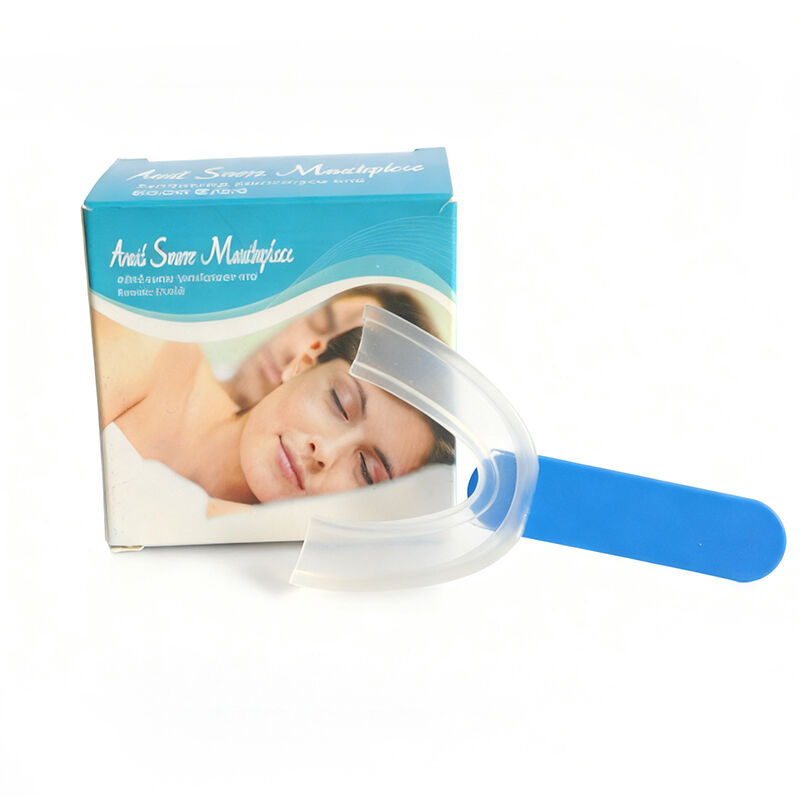
Progressive Advancement: Gradual Acclimation Support to Reduce Myofascial Fatigue in New Users
Of the users reported in 2023 (Journal of Dental Sleep Medicine), 58% experienced pain within a week after the device was fitted, resulting from the placement and adjustment of the jaw. The pain experienced was lessened using the technique of gradual advancement, to improve protrusion (inter-jaw distance when the jaw is open) up to 0.5 mm, extending advancement from the week prior, for a total of 3-7 days.
Dental sleep specialists report patients on structured acclimation schedules experience 72% less morning jaw soreness than those who begin at full advancement (Sleep Disorders Clinics Annual Review, 2024). The protocols also incorporate phased exposure to the device. The initial 7 days of nightly desensitization, followed by device exposure for 2 to 4 hours of wear for 7 to 14 days, helps to minimize the risk of entrenched myofascial pain patterns.
FAQ
What happens to the jaw when you use ill-designed anti-snore mouthguards?
Wearing mouthguards can cause jaw pain, TMJ strain, nocturnal clenching, myofascial overactivation, and even degenerative conditions such as osteoarthritis. There are also reports of morning jaw stiffness, localized pain, and diminished effectiveness of the guard.
How can micro-adjustable anti-snore devices cause less jaw pain?
Micro-adjustable devices assist users to move the jaw forward in small increments. This reduces excessive tensile forces on the TMJ and assists in proper adaptation of the masticatory muscles, thereby preventing morning jaw soreness and long-term problems.
How is Custom fit technology for anti-snore mouthguards beneficial?
Custom fit technology helps to ensure that mouthguards provide even pressure on all teeth, helping to maintain the guard during sleep and preventing mid-sleep shifting. This technology allows for ideal mouthguard adjustment, minimizes forced jaw misalignment, and enhances overall comfort during mouthguard use.
What protocols can you use to avoid myofascial fatigue?
Protocols for gradual advancement let the user set the device at the initial, minimal advancement, then increase the advancement setting by 0.5 mm every few nights. Daytime desensitization complete phased of nighttime usage can assist the user to further support the safe adaptation and avoid muscle fatigue when needed.