 EN
EN


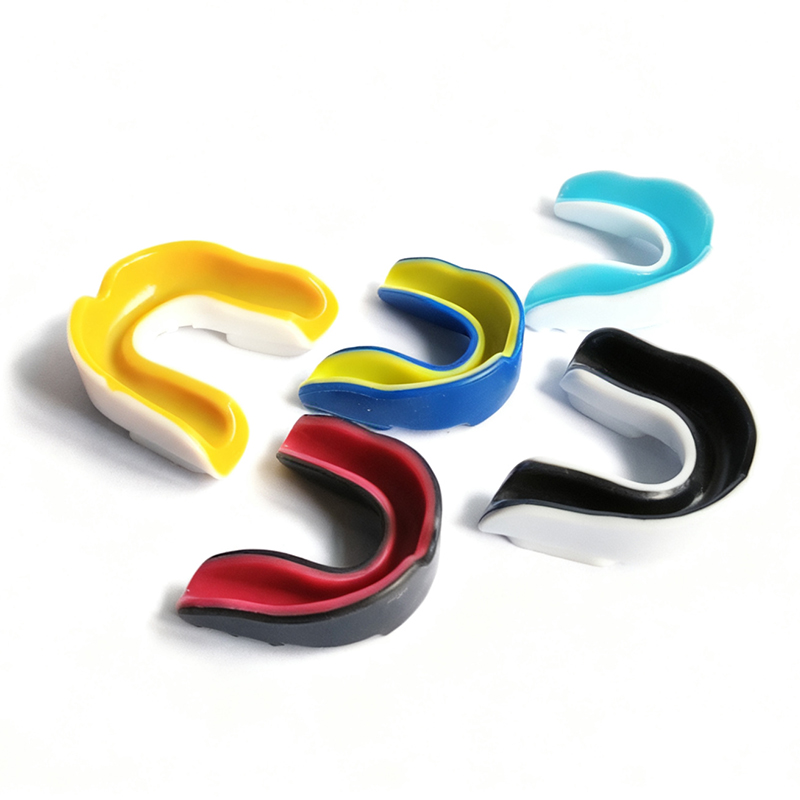
Potassium Nitrate: The Core Desensitizing Agent in Safe Teeth Whitening Kits
How potassium nitrate calms dentinal nerve activity and blocks pain transmission
Potassium nitrate penetrates dentinal tubules to reduce nerve sensitivity by altering nerve membrane potential. As potassium ions accumulate around nerve endings, they suppress depolarization—effectively calming hyperactive responses triggered by whitening agents or thermal stimuli. This action interrupts pain signal transmission along dental nerves, preventing discomfort signals from reaching the brain. The result is a functional protective barrier that allows whitening ingredients to work without provoking the sharp, transient pain commonly associated with untreated dentinal hypersensitivity.
Clinical validation: 5% potassium nitrate reduces sensitivity by up to 62% during whitening (JADA, 2021)
Research published in the Journal of the American Dental Association confirms that 5% potassium nitrate significantly mitigates whitening-related sensitivity—reducing incidence by up to 62% compared to placebo during active treatment. Participants reported markedly lower pain scores on standardized sensitivity scales while achieving whitening outcomes equivalent to control groups. This concentration represents the clinical sweet spot: potent enough to deliver reliable desensitization, yet well within established safety margins for daily or intermittent use in professional-grade formulations.
Fluoride Derivatives: Enamel-Strengthening and Tubule-Sealing Support in Teeth Whitening Kits
Fluoride derivatives are essential in safe teeth whitening kits for sensitive teeth because they actively remineralize enamel and seal exposed dentinal tubules. While both stannous fluoride and sodium fluoride support remineralization, their mechanisms differ—making stannous fluoride uniquely suited for dual protection.
Stannous fluoride vs. sodium fluoride — dual protection through remineralization and antibacterial action
Sodium fluoride primarily enhances fluorapatite formation, yielding a more acid-resistant enamel surface that reduces sensitivity over time. Stannous fluoride goes further: in addition to promoting robust fluorapatite crystal growth, it inhibits bacterial metabolism and disrupts biofilm development—addressing microbial contributors to gum irritation and enamel demineralization. Critically, stannous fluoride also forms a physical occlusive layer over dentinal tubules, offering immediate sensory relief beyond long-term remineralization. For sensitive users, this combination of tubule sealing, enamel repair, and antibacterial action translates to more comfortable, predictable, and sustainable whitening results.
Controlled Peroxide Delivery: Optimal Concentrations for Efficacy Without Sensitivity in Teeth Whitening Kits
Why 6–10% hydrogen peroxide or 16–22% carbamide peroxide represents the clinical safety threshold
Clinical evidence consistently supports 6–10% hydrogen peroxide (H₂O₂) and its carbamide peroxide equivalents (16–22%) as the optimal range for balancing efficacy and comfort. At these concentrations, peroxide penetrates enamel gradually—minimizing acute osmotic shifts in dentinal tubules, a primary trigger of nerve activation. Because carbamide peroxide breaks down into H₂O₂ at roughly one-third concentration, 16–22% solutions deliver a controlled, sustained release that avoids the sudden fluid movement linked to sharp sensitivity spikes. Concentrations exceeding 10% H₂O₂ are associated with significantly higher rates of adverse effects, establishing this range as the widely accepted clinical safety threshold for sensitive teeth.
Dose-response evidence: Sensitivity incidence doubles above 10% H₂O₂ (Clin Oral Investig, 2020)
The relationship between peroxide concentration and sensitivity follows a clear dose-response curve:
| Peroxide Concentration | Sensitivity Incidence | Clinical Outcome |
|---|---|---|
| ≤10% H₂O₂ | 12–18% | Mild discomfort |
| >10% H₂O₂ | 24–36% | Moderate-severe pain |
A 2020 study in Clinical Oral Investigations found that exceeding 10% hydrogen peroxide doubles the risk of clinically meaningful sensitivity—largely due to accelerated fluid movement within dentinal tubules, which mechanically activates nerve endings. Staying within the 6–10% H₂O₂ (or 16–22% carbamide peroxide) range allows users to achieve visible whitening while maintaining strong tolerability.
Sensitivity-Safe Formulation Essentials: What to Exclude from Your Teeth Whitening Kit
Sodium lauryl sulfate (SLS) and high-RDA abrasives — hidden triggers of mucosal irritation and enamel microtrauma
Even well-formulated whitening kits can provoke discomfort if they contain irritants like sodium lauryl sulfate (SLS) or overly abrasive particles. SLS—a common foaming agent—disrupts the oral mucosa’s protective lipid layer, increasing susceptibility to canker sores and stinging sensations. Similarly, high-RDA abrasives (e.g., coarse hydrated silica or calcium carbonate) create microscopic enamel scratches that progressively expose dentinal tubules, worsening sensitivity over time. For sensitive users, the safest kits omit SLS entirely and limit abrasives to RDA values below 70. Instead, formulators use gentler alternatives—such as cocamidopropyl betaine for foaming and fine-grain calcium phosphate for polishing—to preserve cleaning efficacy without compromising oral tissue integrity.
Frequently Asked Questions
What role does potassium nitrate play in teeth whitening kits?
Potassium nitrate calms dentinal nerve activity by suppressing depolarization and blocking pain signal transmission, allowing whitening ingredients to work without causing discomfort.
What are the benefits of using fluoride derivatives in sensitive teeth whitening kits?
Fluoride derivatives remineralize enamel and seal dentinal tubules, reducing sensitivity while providing antibacterial action and enamel-strengthening benefits.
Why are peroxide concentrations controlled in whitening formulations?
Limiting peroxide concentrations to 6–10% hydrogen peroxide or 16–22% carbamide peroxide minimizes sensitivity while achieving effective whitening results.
Why should SLS and high-RDA abrasives be excluded from whitening kits?
SLS can cause mucosal irritation, while high-RDA abrasives may damage enamel and expose dentinal tubules, worsening sensitivity.
Table of Contents
- Potassium Nitrate: The Core Desensitizing Agent in Safe Teeth Whitening Kits
- Fluoride Derivatives: Enamel-Strengthening and Tubule-Sealing Support in Teeth Whitening Kits
- Controlled Peroxide Delivery: Optimal Concentrations for Efficacy Without Sensitivity in Teeth Whitening Kits
- Sensitivity-Safe Formulation Essentials: What to Exclude from Your Teeth Whitening Kit
- Frequently Asked Questions