 EN



How Can High-Quality Improving Sleeping Mouth Guards Prevent Sleep Bruxism Damage?
For B2B buyers, improving sleeping mouth guards is about better product selection and clearer user guidance, not a promise to diagnose, stop, or cure sleep bruxism. A night guard is commonly used as a protective barrier between upper and lower teeth for people who clench or grind during sleep. It can be a useful part of a dental professional’s recommendation, but it is not a substitute for an individual assessment.
That distinction matters when wholesalers, online sellers, clinics, and pharmacies put together a responsible night-guard range. Strong listing copy helps customers understand what the product is intended to do, what information to check before purchase, and when persistent symptoms call for professional advice. This article outlines a practical framework for improving sleeping mouth guards while keeping comfort, product information, and claim boundaries in view.
Start With the Right Goal: Protection, Not a Medical Promise
Sleep bruxism is the term often used for involuntary grinding or clenching during sleep. Repeated tooth contact may contribute to wear or discomfort, but the causes and the right response vary from person to person. That is why responsible descriptions of improving sleeping mouth guards should focus on the appliance’s protective role: separating biting surfaces and helping reduce direct tooth-on-tooth contact when a qualified professional considers a guard appropriate.
Public dental guidance commonly notes that dentists may recommend a night guard for people who grind their teeth during sleep. For a seller or distributor, this supports careful wording such as “designed for use as a protective night guard” rather than “prevents bruxism damage” or “treats jaw pain.” Clear wording protects readers from unrealistic expectations and gives downstream retailers copy they can use consistently.
Why Product Quality Changes the Buyer Experience
High quality is more than a vague feature label. For improving sleeping mouth guards, buyers should be able to evaluate several practical elements together:
- Fit pathway: Is the product intended for a professional custom-fit workflow, a thermally formed process, or another clearly explained use method?
- Retention and edge finish: A guard should not be marketed as universally comfortable. Product instructions should instead explain how users can recognize a loose, rough, damaged, or ill-fitting appliance and seek appropriate help.
- Material documentation: Request confirmed material information, care instructions, and any applicable product documentation before publishing listings or issuing quotations.
- Use and care guidance: Include cleaning, storage, inspection, and replacement guidance. A worn, damaged, or ill-fitting guard should not remain in use without review.
- Claim control: Keep marketing language aligned with evidence. Avoid turning a cushioning function into a guarantee about sleep quality, airway conditions, pain, or dental outcomes.
For wholesale teams, this checklist makes “quality” operational. It shifts the conversation from unsupported superlatives to documents, instructions, and a repeatable review process.
Comfortable Fit Is a Selection Requirement, Not a Universal Claim
A comfortable fit influences whether a user can tolerate a night guard consistently, yet comfort is highly individual. Tooth shape, dental work, bite relationship, gum condition, and the presence of symptoms can all affect suitability. It is more accurate to describe a product as having a defined fitting process and clear user instructions than to say it will fit everyone perfectly.
When improving sleeping mouth guards for resale, prepare a short pre-purchase question set. Ask whether the customer has loose restorations, missing teeth, active dental concerns, a history of significant jaw symptoms, or uncertainty about the cause of nighttime grinding. The answer should guide the customer toward a dental professional where appropriate. It should not be used to make a remote diagnosis.
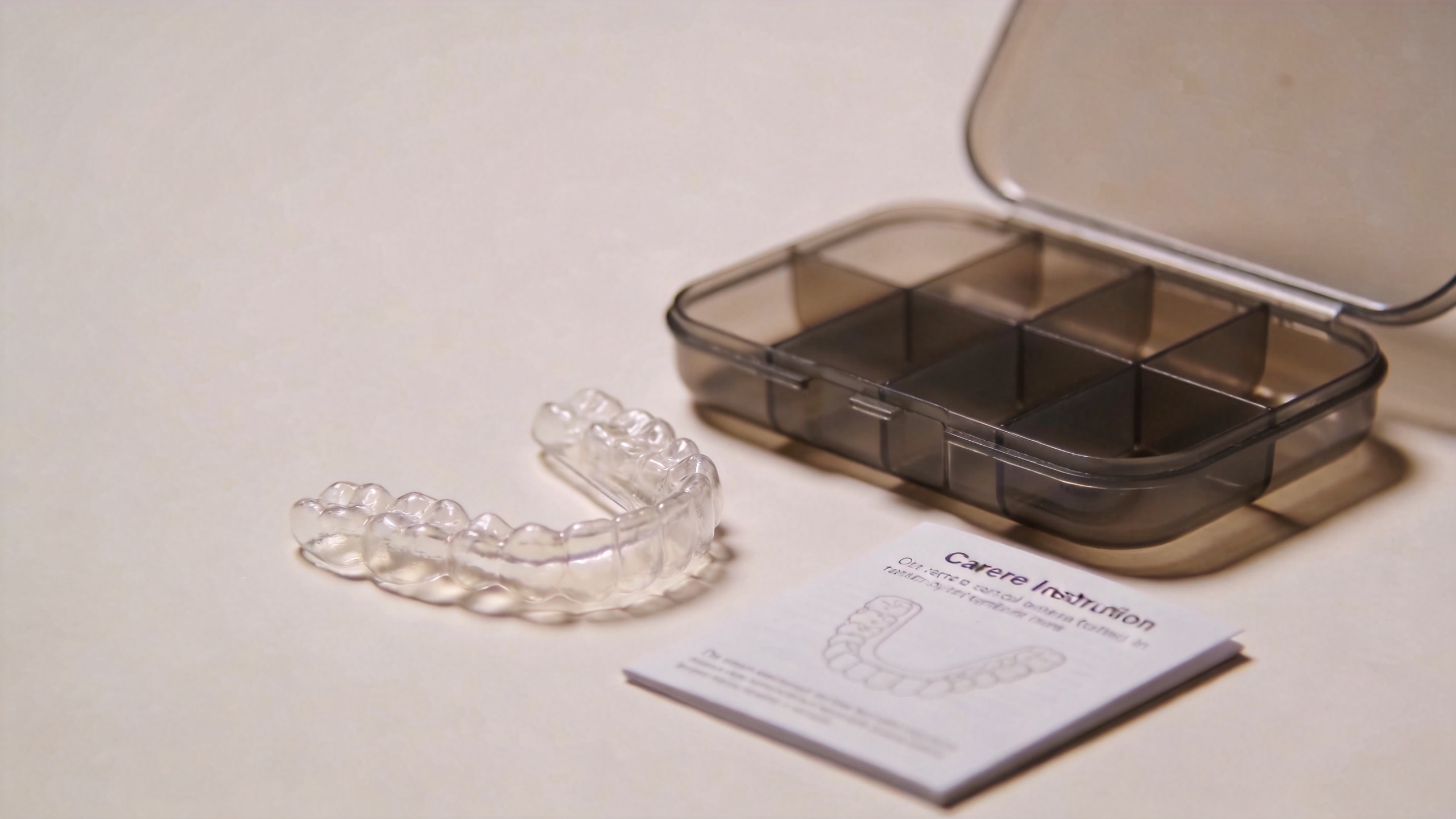
A Buyer Checklist for Wholesale and Channel Programs
The keyword wholesale brings another layer of responsibility: channel partners need product information they can reuse accurately. Before accepting a night-guard supplier quotation or onboarding a new SKU, use the following review points.
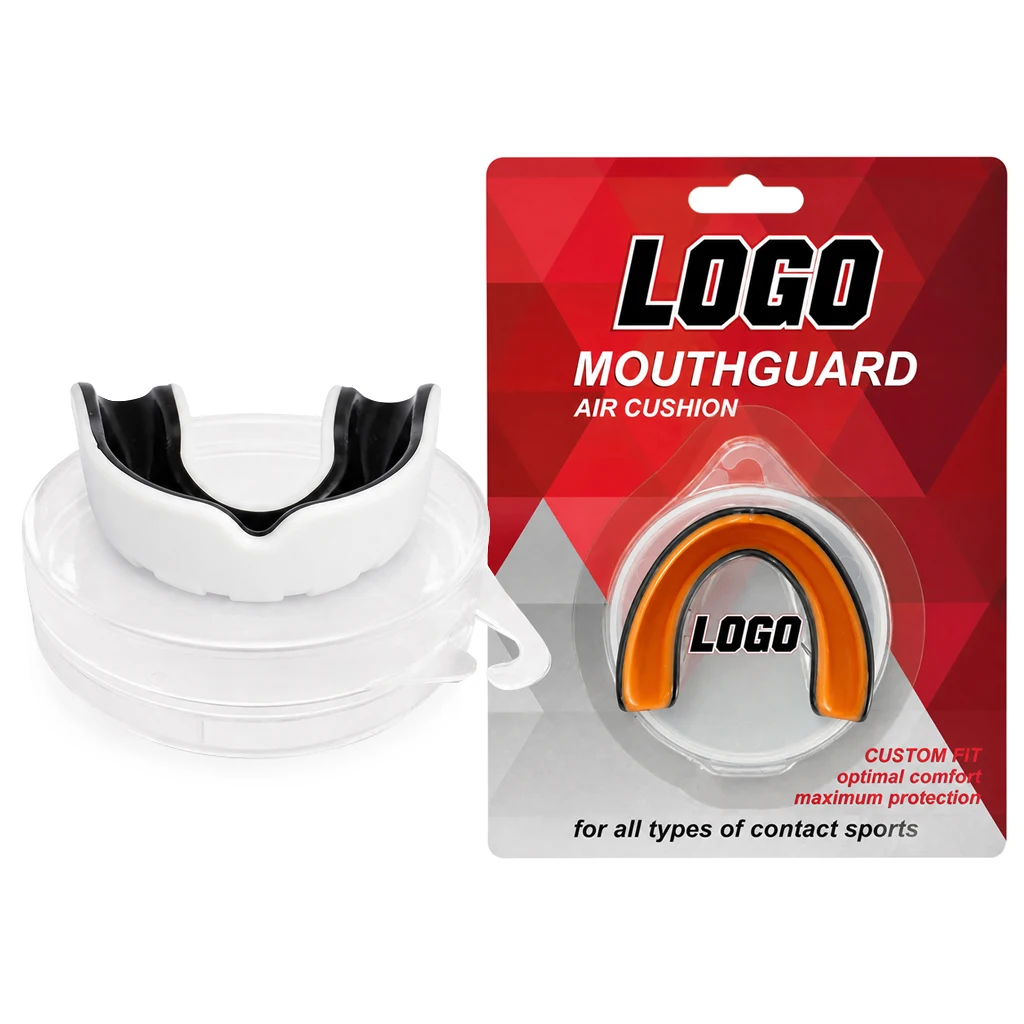
- Confirm the intended use. Separate sleep-bruxism protective products from sports mouthguards, snoring products, and whitening trays. Similar names do not mean identical uses.
- Ask for verifiable specifications. Confirm the available sizes, fitting instructions, material declaration, cleaning method, packaging details, labeling language, and storage requirements. Mark unconfirmed facts as pending instead of assuming them.
- Review the instruction hierarchy. Packaging, product pages, marketplace listings, and customer-service scripts should explain the same basic use boundary and referral advice.
- Plan a replacement message. Tell channel partners to advise review or replacement when a guard is visibly worn, damaged, uncomfortable, or no longer fits as expected.
- Build an escalation path. A buyer should know when product support ends and professional dental guidance is the safer next step.
The approach is especially useful for distributors serving different audiences. A clinic may prioritize traceable materials and fitting information, while an e-commerce seller may need plain-language care instructions and compliant listing claims. The product facts should stay the same; only the order of information changes.
How to Improve Product Content Without Overclaiming
Many night-guard pages become less useful because they lead with claims rather than decisions. A stronger content pattern is to open with the intended use, explain the fit process, list care and replacement signals, and then provide a transparent sourcing checklist. That sequence gives readers a realistic way to compare improving sleeping mouth guards.
For example, a product page can say that night guards are commonly discussed with dental professionals for nighttime grinding, then explain the available fitting route and daily care steps. It should avoid statements that the guard will prevent all damage, eliminate grinding, correct a bite, or improve sleep for every user. If a listing refers to a material, test, or certification, the supporting documentation should be available before that detail is published.
Questions to Resolve Before You Order
| Question | Why it matters | Responsible next action |
|---|---|---|
| What is the product’s intended use? | Prevents confusion with sports, snoring, or whitening products. | Use a specific product category and consistent listing language. |
| How is the guard fitted? | Fit affects comfort, retention, and user expectations. | Obtain the confirmed fitting workflow and instructions. |
| Which facts are documented? | Materials, packaging, and labels influence purchasing and compliance reviews. | Request traceable documents before making claims. |
| What should a user do if fit changes? | Ill-fitting or damaged appliances need timely attention. | Include a clear review or replacement recommendation. |
| When should a customer seek professional advice? | Symptoms and dental conditions differ among individuals. | Use a visible, non-alarming referral statement. |
When Professional Advice Should Come First
A night guard may be part of a broader conversation about grinding, clenching, oral health, or sleep concerns. Buyers should be encouraged to consult a dentist or other qualified clinician when they have significant pain, broken dental work, persistent symptoms, uncertainty about appliance fit, or questions about the cause of nighttime grinding. This is not a disclaimer added at the end; it is a core part of accurate product communication.
For B2B teams, that boundary can strengthen trust. A well-organized wholesale program does not need to make sweeping health claims to be useful. It can provide clear product categories, a comfortable fit process, care instructions, document requests, and a sensible referral pathway.
Conclusion: Better Guard Programs Begin With Better Information
Improving sleeping mouth guards begins with a disciplined definition of quality: clear intended use, a realistic fitting process, confirmed product information, usable care guidance, and responsible claims. For wholesale buyers, these elements also make it easier to prepare listings and support materials that remain consistent across channels.
Use the checklist before sourcing, keep unverified specifications out of promotional copy, and encourage professional guidance whenever individual symptoms or dental conditions make selection uncertain. That approach helps buyers create more useful night-guard programs without presenting a protective appliance as a medical guarantee.



 Hot News
