 EN



How To Choose The Right Mouthguard Night For Teeth Grinding?
Waking with a tight jaw, a dull morning headache, or teeth that feel sensitive can make a mouthguard night routine worth discussing. Bruxism—the habit of grinding or clenching—can happen during sleep without you noticing. A well-chosen night guard may help separate the teeth from repeated contact, but it is not a diagnosis or a cure for the reason you grind. That distinction is the starting point for a safer choice.
This guide is written for first-time users who want a practical way to compare a night guard for teeth grinding. It also flags the questions a dentist, clinic, pharmacy buyer, or wholesale purchaser should keep separate: intended use, fit, material information, hygiene instructions, and the health concerns that need professional review.
Start With the Job You Need the Guard To Do
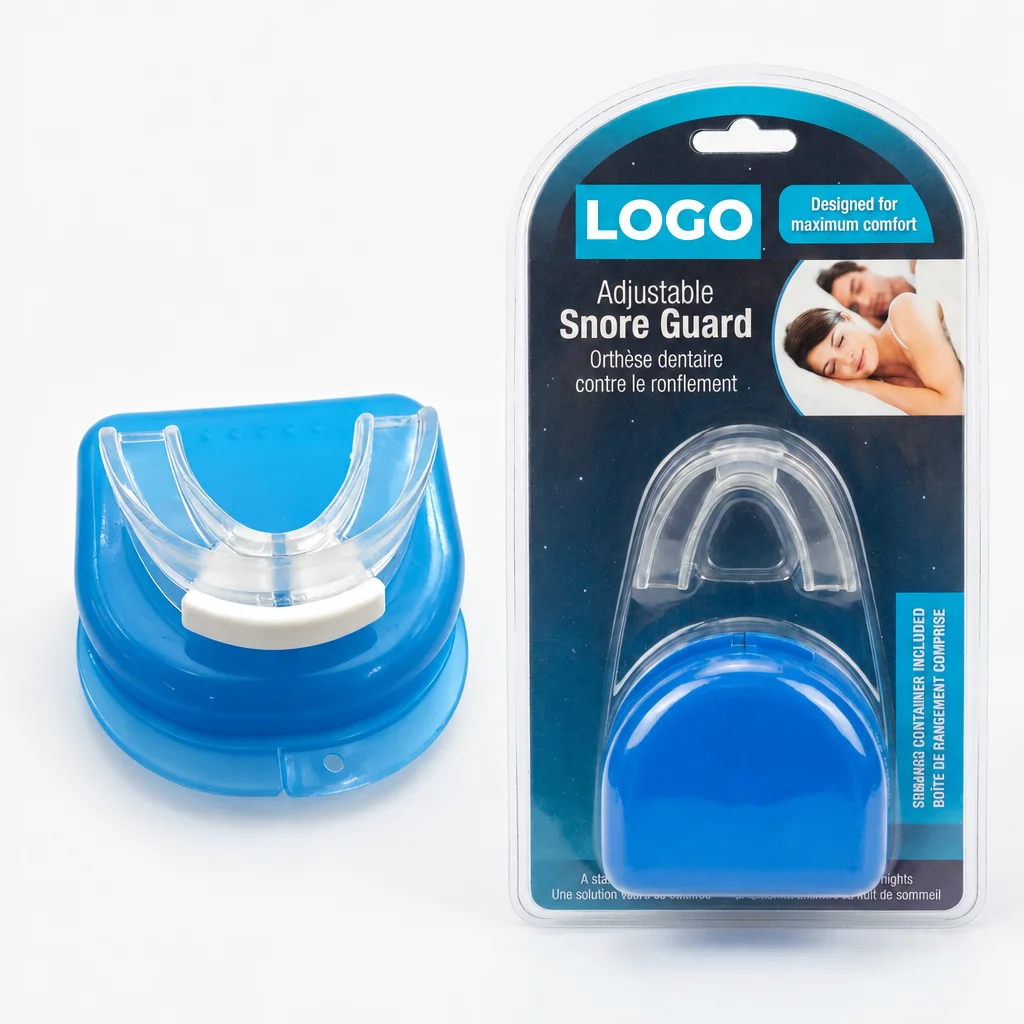
It is easy to shop by a product name alone. A better approach is to begin with the use case. A mouthguard night option for sleep-related grinding is different from a sports mouthguard, a whitening tray, or an appliance intended for snoring or sleep apnea. They may look similar at a glance, but their purpose, instructions, and fitting process are not interchangeable.
The American Dental Association describes bruxism as grinding that can occur without awareness and notes that a dentist may recommend a night guard to protect teeth during sleep. In practical terms, the guard is a protective layer: it can reduce direct tooth-on-tooth contact. It should not be presented as proof that the underlying cause of grinding has been solved.
Before comparing products, write down what you have noticed: morning jaw tightness, tooth wear mentioned at a checkup, a loose restoration, audible grinding reported by a sleep partner, or only occasional clenching during a stressful period. The pattern matters more than a generic label such as “ideal guard.”
Know When a Dental Assessment Comes First
A home-fitted guard may be one option to discuss for mild, familiar symptoms, but some signs deserve a dental assessment before you rely on a product. Arrange professional advice if you have persistent jaw pain, a bite that suddenly feels different, cracked or loose teeth, bleeding gums, severe headaches, trouble opening your mouth, or symptoms that disturb sleep regularly. These signs can have more than one cause.
That is also where bruxism relief needs careful language. A night guard can be part of a plan to protect teeth from grinding forces; it does not automatically address stress, sleep problems, medication effects, joint conditions, or other contributors. Your dentist can help decide whether a custom appliance, monitoring, treatment of another issue, or a different approach makes sense for your situation.
Compare Fit Before You Compare Marketing Claims
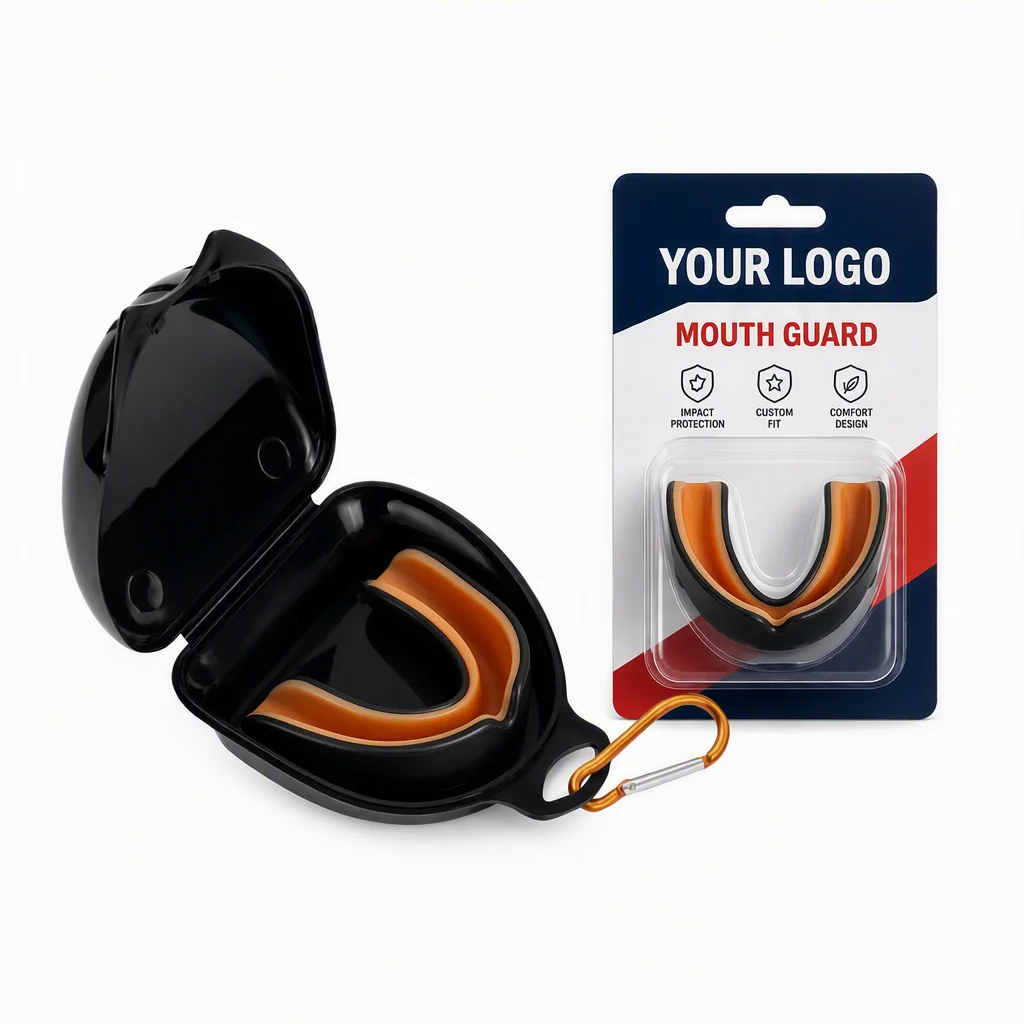
Retention is the first comfort test. A guard should stay in place without feeling as though you must clench to hold it there. It should not create sharp pressure points, scrape the gums, or feel so bulky that you cannot relax your jaw. A loose guard can be distracting; an overly tight one can be uncomfortable and hard to remove.
There are generally three fitting routes:
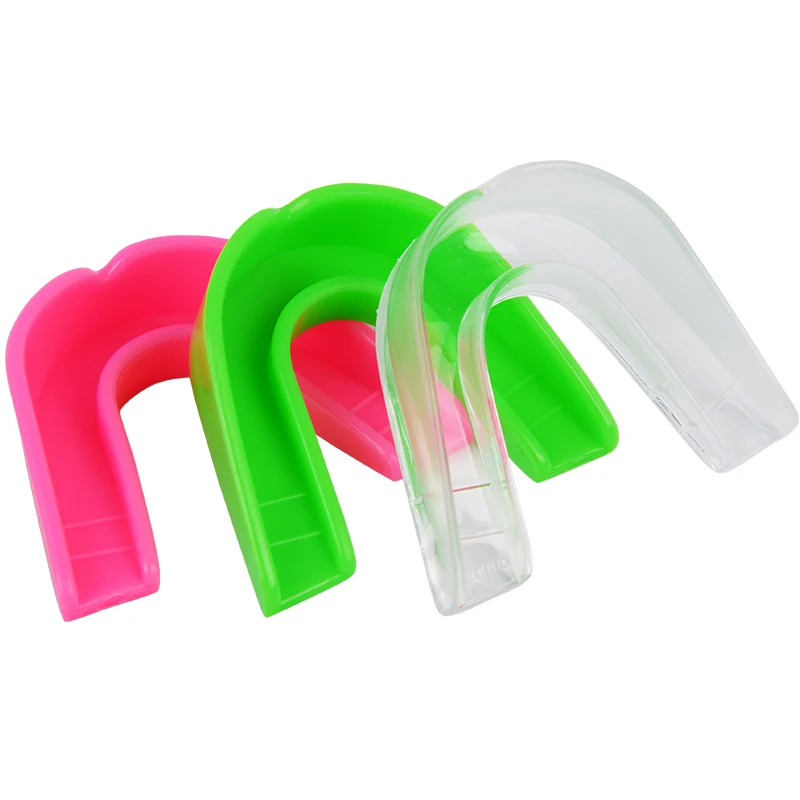
- Stock or ready-made guards: convenient, but limited in how closely they follow an individual bite.
- Boil-and-bite guards: softened and shaped at home; follow the instructions exactly and stop if the result is uneven, painful, or unstable.
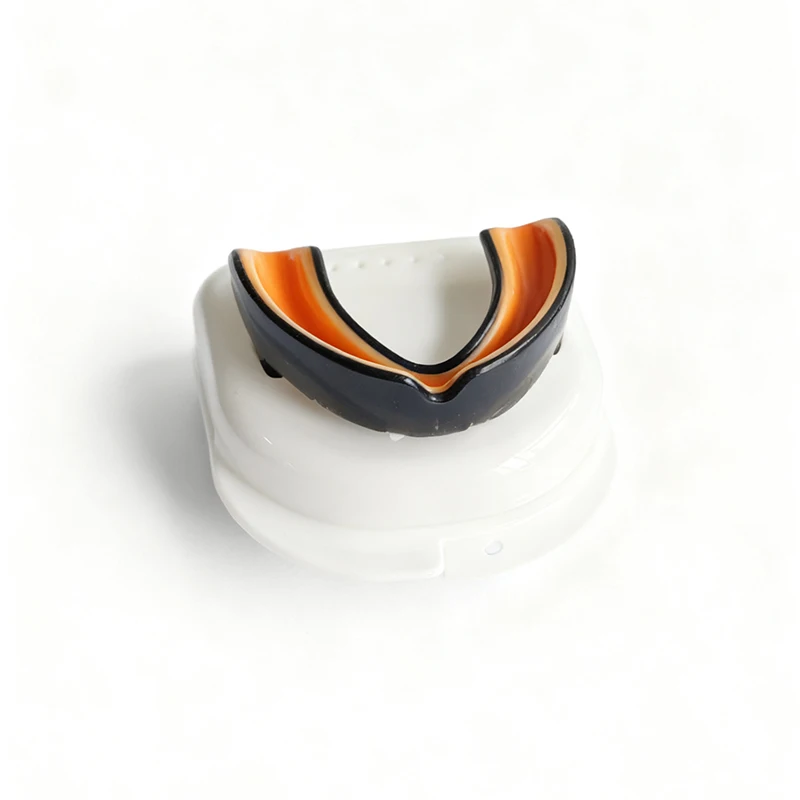
- Custom professional guards: made from an impression or digital scan under professional direction; often considered when fit, bite relationship, or more pronounced wear needs closer evaluation.
None of these labels alone tells you which option is right. Ask: Does the product explain who it is for? Does it provide clear fitting, cleaning, replacement, and stop-use guidance? Can you tell whether it is intended for nighttime grinding rather than another oral use? If the answers are vague, that is a reason to pause.
Choose Material and Thickness as a Trade-Off, Not a Ranking
People often assume firmer automatically means better protection or softer automatically means more comfort. In reality, material feel and thickness must be considered alongside the intensity of grinding, your bite, retention, and professional advice. A soft material can feel familiar at first, while a firmer or layered construction may feel different in the mouth. Neither description guarantees an outcome for every user.
For a mouthguard night purchase, ask the seller or clinician for the material identity, care directions, intended use, available sizes or fitting method, and any relevant warnings. Do not treat a broad claim such as “medical grade” as enough information by itself. A useful product listing explains what is actually known and what still needs confirmation.
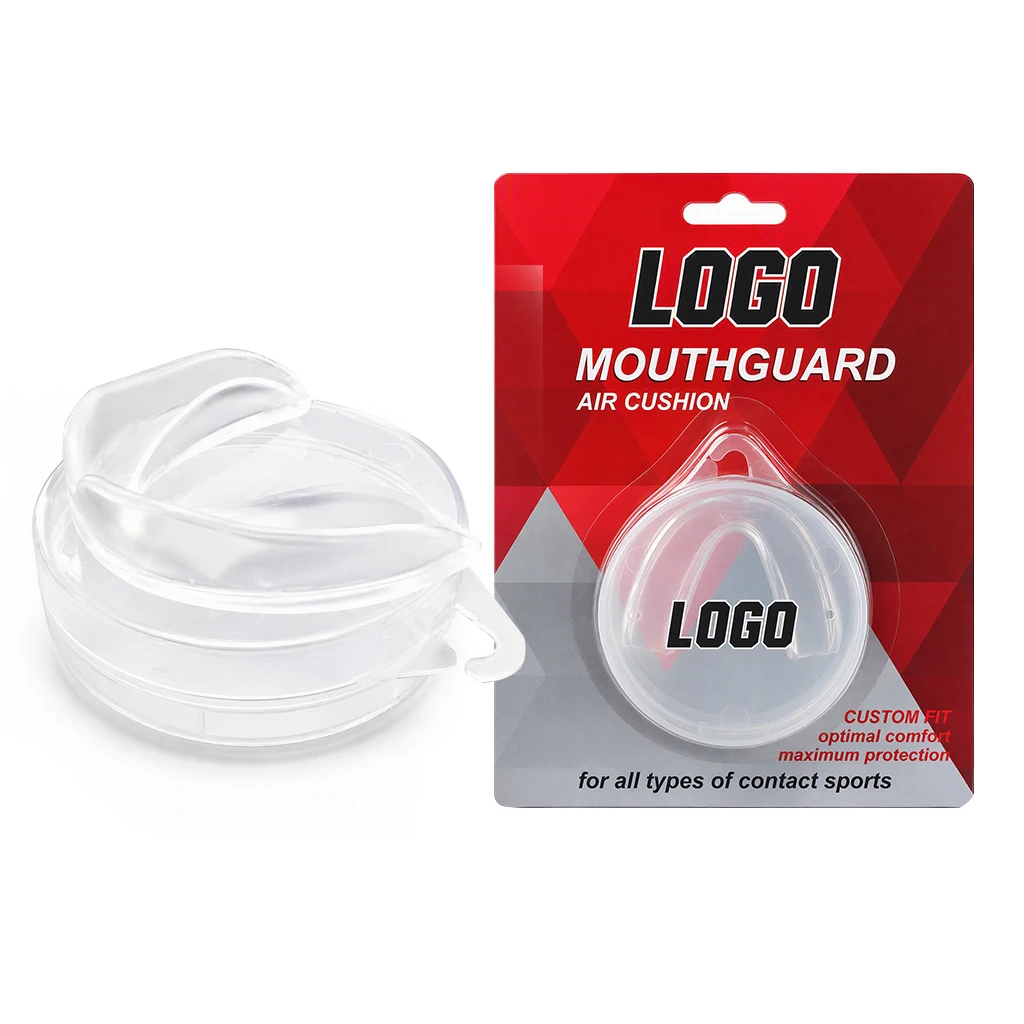
If you are evaluating a wholesale range for clinics, pharmacies, or e-commerce, request the same information in writing. Check that carton labels, instructions, product-page wording, and customer-service guidance describe the same intended use. Consistent documentation reduces the chance that a sports guard or another tray is sold as a solution for nighttime grinding.
Use a Short At-Home Comfort Check
Once a suitable option has been selected, follow the supplied instructions rather than improvising the fit. During the first few uses, notice whether the guard seats fully, stays put, and allows you to close your mouth without a new painful pressure point. A brief adjustment period can happen with oral appliances, but worsening pain, a changed bite, gagging, or a guard that will not stay in place should not be ignored.
- Inspect the guard before use for rough edges, tears, distortion, or debris.
- Fit it only as the manufacturer or dental professional directs.
- Remove it in the morning and rinse it as instructed.
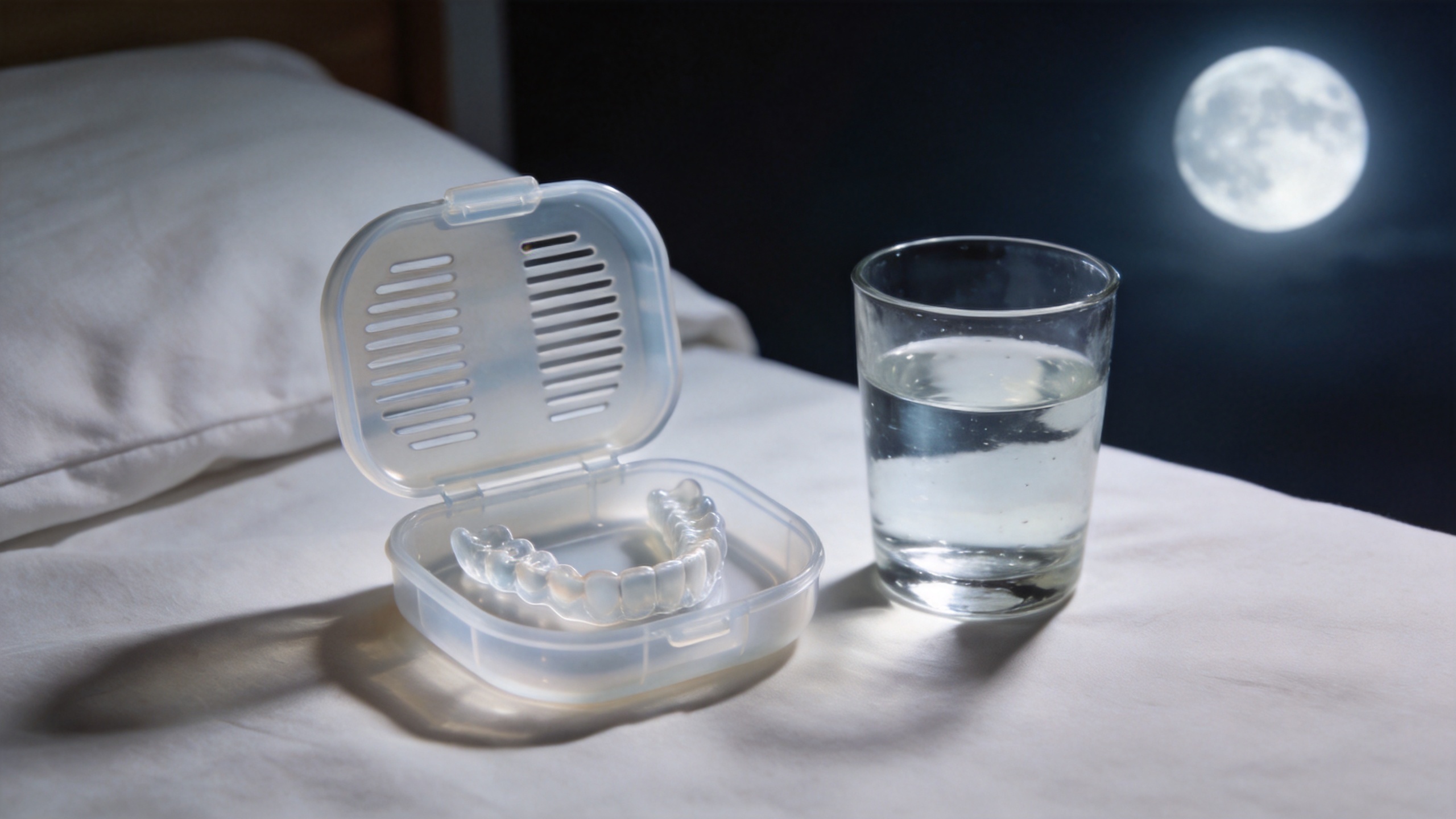
- Store it dry in its ventilated case when not in use.
- Bring it to dental visits if you have questions about wear, comfort, or fit.
Cleaning matters because a guard spends hours in a warm, moist environment. Use the cleaning method supplied for that material, avoid excessive heat unless the instructions specifically require it for fitting, and replace the guard if it becomes damaged or can no longer be cleaned adequately.
A Simple Decision Checklist
| Question | Why it matters |
|---|---|
| Is this specifically intended for nighttime grinding or clenching? | It helps prevent confusing a night guard with a sports guard, whitening tray, or another appliance. |
| Can I understand the fitting method and retention expectations? | Fit affects comfort, stability, and whether you are likely to use it consistently. |
| Are material and care instructions clear? | Clear information supports appropriate cleaning and more informed comparison. |
| Do I have pain, damage, bite changes, or persistent symptoms? | Those are reasons to seek professional evaluation rather than make a product-only decision. |
| For wholesale purchasing, are use claims and labels consistent? | Documentation helps channels communicate boundaries accurately. |
For Wholesale Listings: Keep the Claim and the Product Information Separate
For a clinic, pharmacy, or e-commerce buyer, a concise review grid can keep a health-adjacent listing factual. It should describe what is documented, avoid claiming that a product treats a condition, and leave personal suitability to a qualified professional.
- For a mouthguard night listing, is any bruxism relief wording supported by a careful, non-treatment explanation for wholesale buyers?
- Does the mouthguard night description distinguish tooth protection from bruxism relief claims before a wholesale channel publishes it?
- Can a wholesale buyer verify that a mouthguard night product does not promise universal bruxism relief?
- Does the mouthguard night instruction sheet tell wholesale partners how to frame bruxism relief cautiously?
- Are cleaning instructions aligned across mouthguard night packaging, wholesale listings, and any bruxism relief wording?
- Does each wholesale record identify the intended mouthguard night use without overstating bruxism relief?
- Can customers see when a mouthguard night concern needs professional advice rather than a bruxism relief claim from wholesale copy?
- Does the wholesale catalogue separate mouthguard night fit information from unsupported bruxism relief promises?
- Is the mouthguard night fitting route clear enough that wholesale teams do not imply certain bruxism relief?
- Does a wholesale product page state that a mouthguard night appliance is not a diagnosis of bruxism relief?
- Before ordering, can wholesale teams confirm that mouthguard night claims describe protection, not assured bruxism relief?
A mouthguard night choice should remain a practical protection decision, not a promise of a health outcome.
What To Do Next
The right mouthguard night choice is the one that matches a verified use case, fits comfortably, comes with clear care information, and does not distract from symptoms that need dental attention. Start with the problem you are trying to manage—protecting teeth from nighttime contact—not with the boldest claim on a listing.
If you are unsure, bring your questions to a dental professional: “Is a night guard appropriate for what I am experiencing?” “What fit or material considerations apply to me?” and “What changes mean I should stop using it?” That conversation keeps bruxism relief grounded in realistic expectations and puts safety ahead of guesswork.

 Hot News
