 EN



Why Is A Custom-Fit Mouthguard For Teeth Grinding Crucial For Nighttime Protection?
When you wake with a tight jaw, sore facial muscles, or new wear along the edges of your teeth, the question is not simply whether to buy a guard. It is whether the guard will stay where it belongs through a full night of clenching or grinding. A mouthguard for teeth grinding is meant to create a protective barrier between the upper and lower teeth; its practical value depends heavily on how well it follows the shape of the wearer’s teeth and how comfortably it can be worn while asleep.
From a dental-channel content perspective, it helps to separate product information from clinical advice. A custom-fit guard is not a diagnosis or a cure for bruxism. It is a product option designed around a particular dental arch, and a dentist should assess persistent pain, cracked teeth, bite changes, or sleep-related concerns. Still, fit is central to the everyday protection conversation because a guard that shifts, pinches, or feels bulky is less likely to be worn consistently.
Nighttime protection begins with retention, not just material
At night, people cannot consciously reposition a loose appliance. That makes retention—the ability of a guard to remain seated on the teeth—a basic requirement. A custom-fit mouthguard for teeth grinding is shaped from an impression or digital scan so its inner surface follows the contours of the teeth. This close adaptation can help the guard remain stable when the jaw moves during sleep.
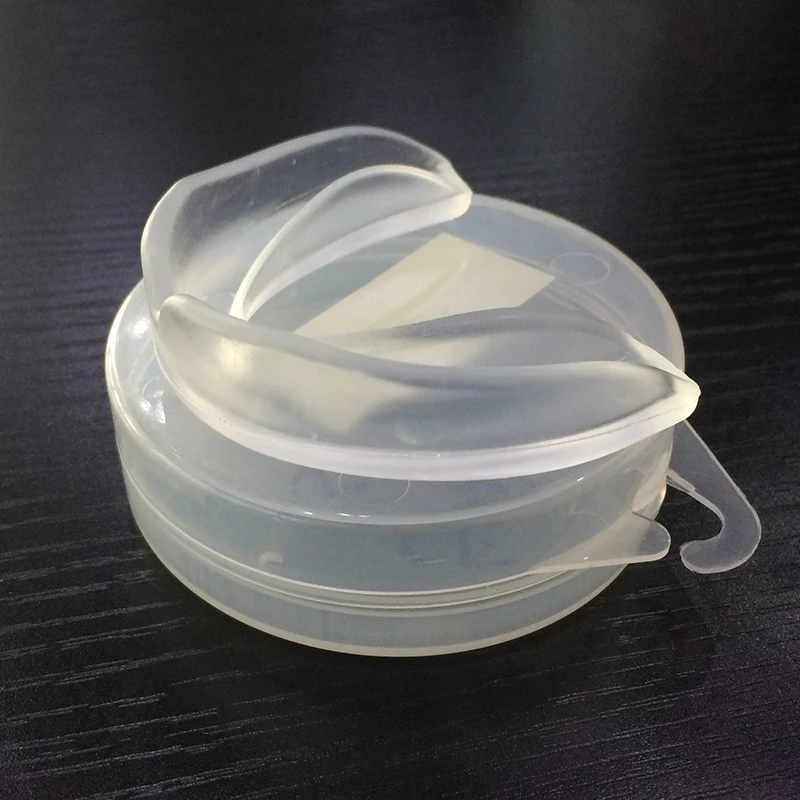
A generic guard may be easier to purchase, but the fit can vary from one mouth to another. If it lifts when the lips relax, rocks on the teeth, or needs frequent repositioning, its protective surface may not stay between the chewing surfaces. A comfortable fit is therefore more than a convenience feature: it supports regular use and reduces the temptation to remove the guard halfway through the night.
Professional oral-health guidance similarly notes that a guard made from a dentist-created mold offers the closest, most comfortable fit. That does not mean every person needs the same design, thickness, or pathway to obtain a guard. It does mean that the closer the adaptation is to the individual arch, the more thoughtfully fit, coverage, and wearability can be evaluated.
Why close adaptation matters when teeth are grinding
Grinding and clenching can place repeated pressure on the biting surfaces. A mouthguard for teeth grinding does not stop every jaw movement, but it can separate the teeth and provide a sacrificial surface between them. For nighttime use, three fit-related details are especially important.
- Even seating: The guard should sit fully on the intended arch without a single high spot causing it to rock.
- Edge comfort: Borders that rub the gums, cheeks, or tongue can make a wearer avoid the product, even if the material itself is durable.
- Appropriate coverage: The design should be reviewed for the wearer’s own dentition and use case rather than assumed from a one-size product label.
This is where it is useful to shift from broad claims to confirmation questions. Instead of asking only, “Is this a strong night guard?” ask: Will it retain on this arch? Are the edges smooth? Does the wearer have missing, crowded, or moving teeth that may affect fit? Are there symptoms that require a dental examination before relying on a product choice alone?
A night guard is not the same as a sports mouthguard
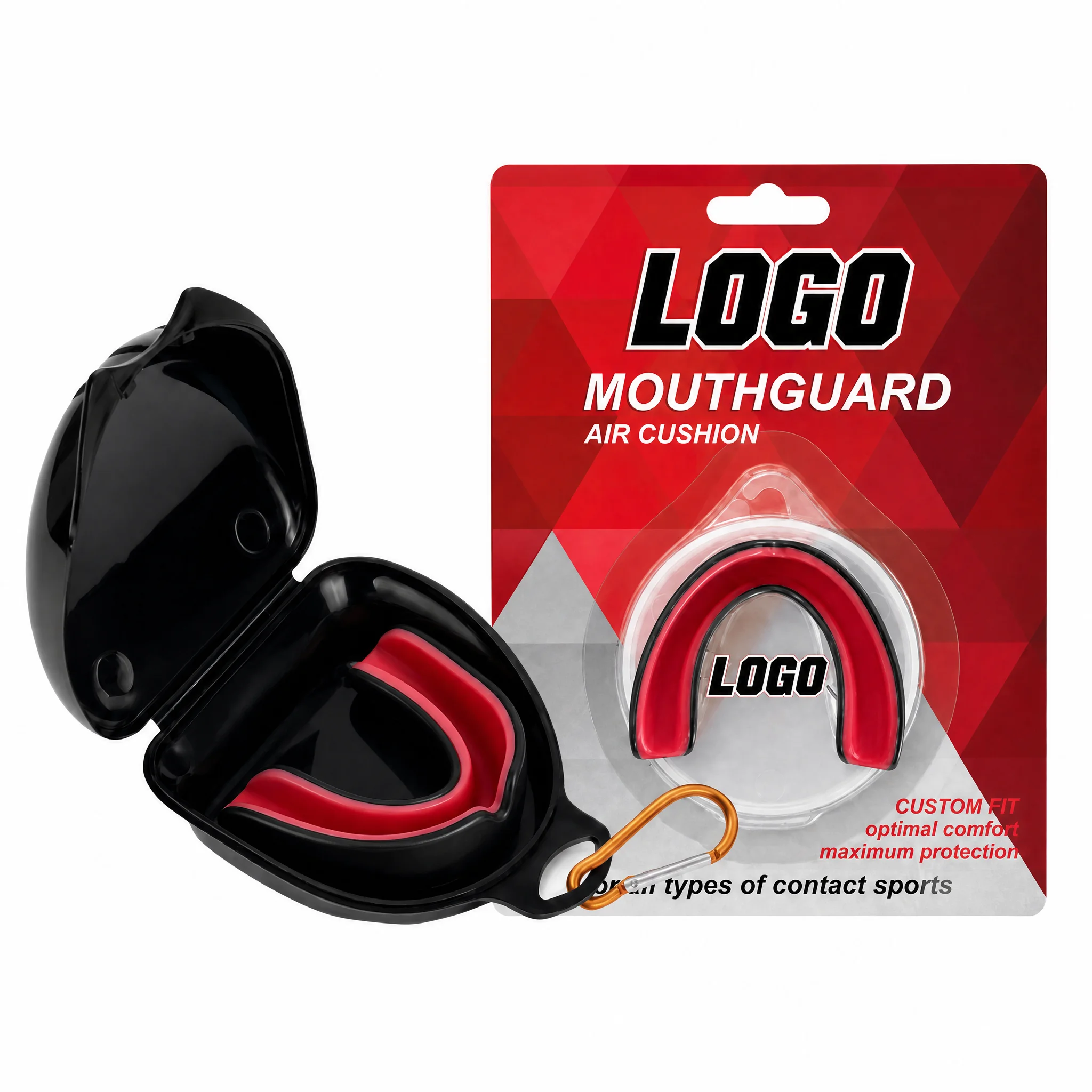
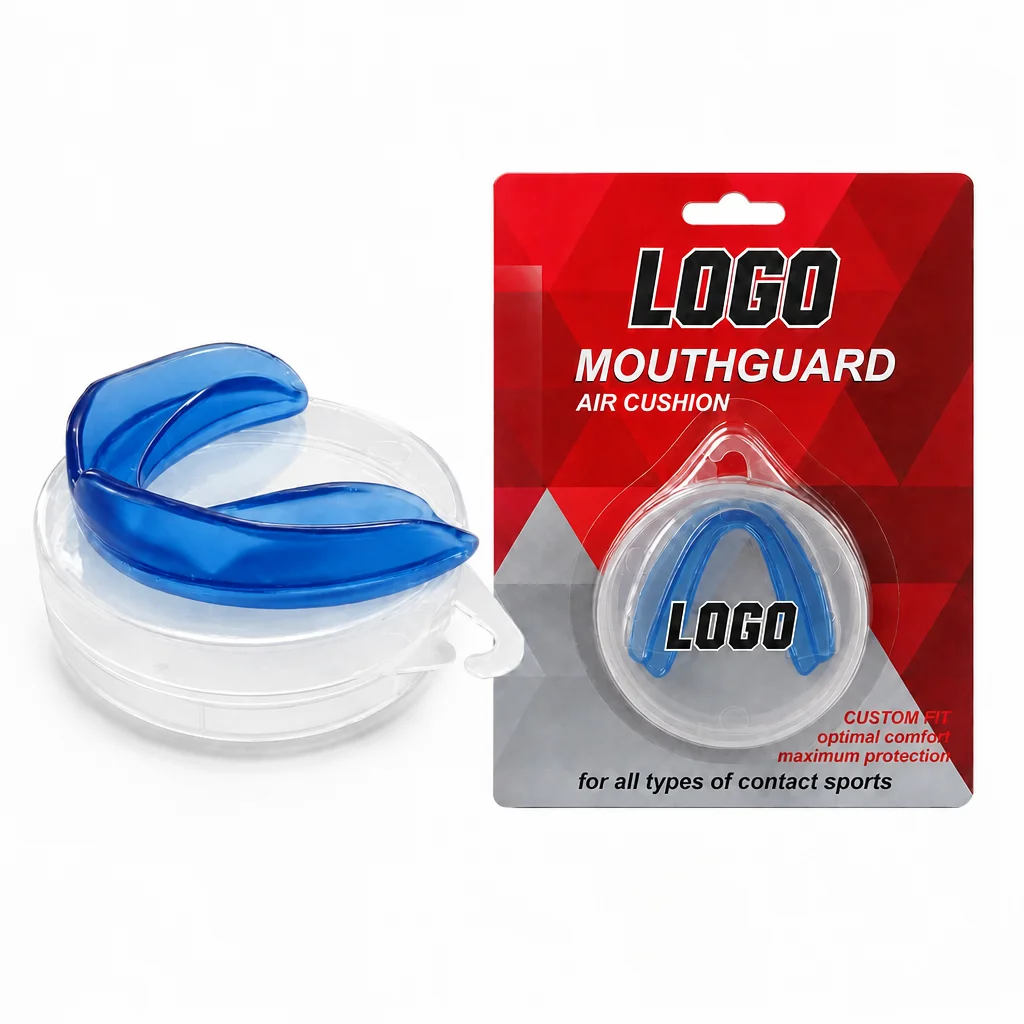
These products may look similar at a glance, but their intended situations differ. Sports mouthguards are designed for impact protection and often use extra cushioning. That construction can be useful for athletic activity, yet it may feel too bulky for sleeping. A mouthguard for teeth grinding should be discussed in relation to overnight retention, comfort, and the person’s bite—not selected merely because it is labeled “mouthguard.”
| Question | Nighttime teeth-grinding guard | Sports mouthguard |
|---|---|---|
| Primary situation | Overnight separation of teeth during clenching or grinding | Reducing risk from sport-related impact |
| Fit priority | Stable, low-profile wear during sleep | Protective cushioning for active use |
| Buyer check | Retention, edges, bite review, and overnight comfort | Sport, impact level, and protective coverage |
Neither category should be presented as universally right for every person. The sensible first step is matching the device to the actual use scenario.
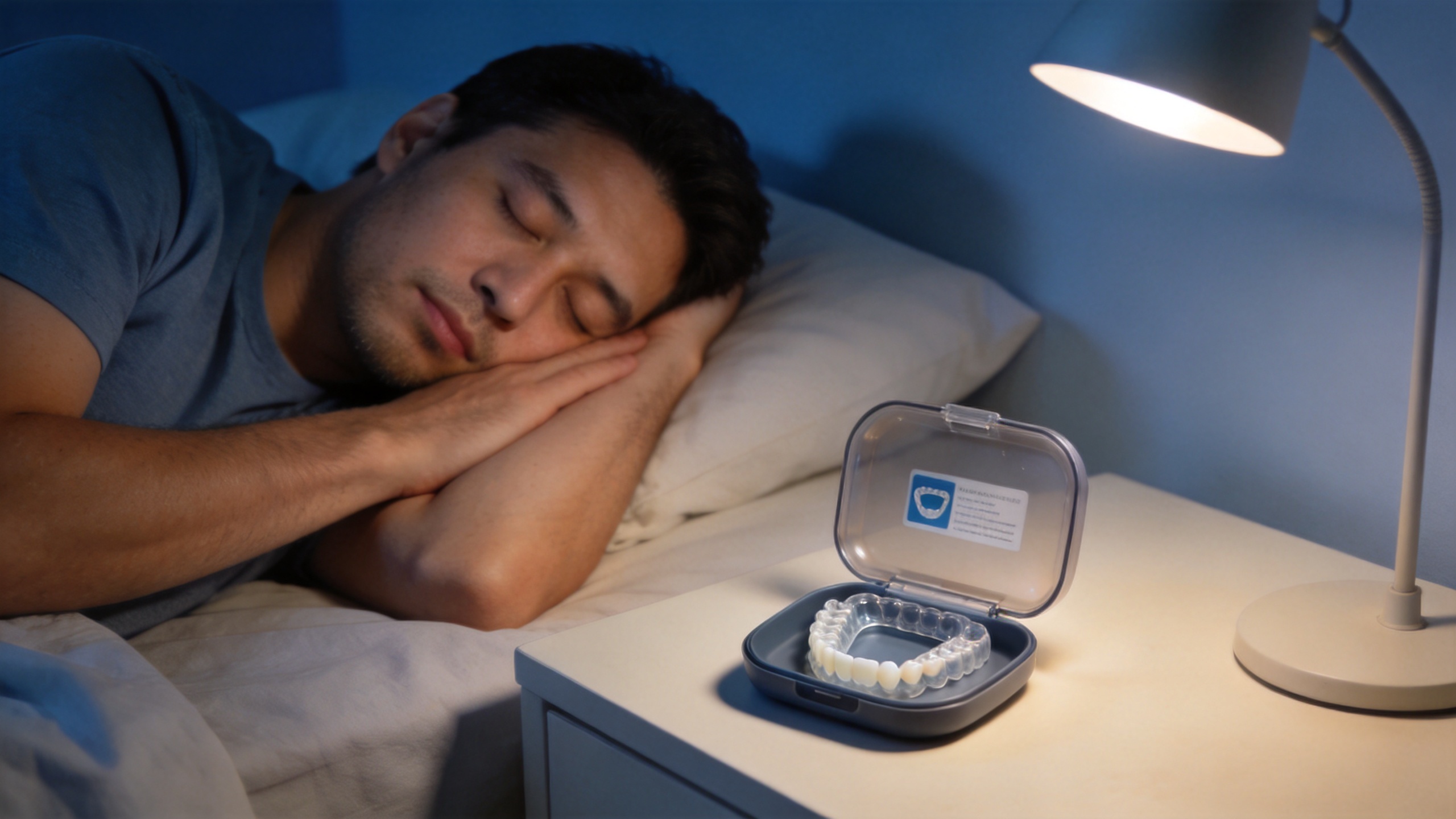
What a comfortable fit looks like in real use
Comfort is often described vaguely, but it can be assessed in practical terms. A wearer should be able to seat the guard without force, keep it in place without constantly biting down to hold it, and remove it without distress. Speech may be altered while a guard is in place, but a sleeping appliance should not create sharp pressure, gagging, or persistent tissue irritation.
Small changes in comfort can affect compliance. Someone who wakes and removes an uncomfortable guard is unlikely to receive the intended overnight separation for the remaining hours of sleep. For this reason, a comfortable fit and appropriate follow-up are part of responsible product communication. If a guard suddenly feels different, no longer seats fully, or coincides with pain or bite changes, the wearer should seek a dental professional’s assessment rather than trimming or reshaping it without guidance.
Questions to ask before choosing or specifying a custom guard
Whether the reader is an individual, a clinic buyer, a pharmacy, or an e-commerce seller, a clear information checklist prevents vague promises. For a mouthguard for teeth grinding, consider these questions:
- Is the product specifically intended for nighttime clenching or grinding rather than athletic impact?
- How is fit established: professional impression, digital scan, or a consumer impression process?
- What arch is covered, and how will retention be checked after delivery?
- What guidance is supplied for cleaning, storage, adjustment, and replacement review?
- What escalation advice is given for jaw pain, damaged teeth, persistent headaches, or a changed bite?
For a business developing a private-label range, OEM/ODM conversations should be equally specific. It is reasonable to ask a supplier which aspects of packaging, branding, impression workflow, thickness options, instructions, and quality documentation can be customized. It is not reasonable to assume unverified material claims, clinical outcomes, certifications, or universal fit from an OEM/ODM label alone. Written specifications and market-specific compliance review remain essential.
When a dental assessment should come before product selection
Some signs deserve more than a purchase decision. Worn, chipped, or cracked teeth, persistent jaw tenderness, recurring headaches, a shifting bite, or disrupted sleep can have more than one cause. A dental professional can examine the teeth and bite and help determine whether a night guard is appropriate and what follow-up is needed. A guard may protect tooth surfaces, but it does not replace evaluation of the factors behind grinding.
This is especially important for first-time buyers. The goal is not to alarm anyone; it is to keep the product’s role clear. A well-fitted guard can be part of an overnight protection plan, while stress management, sleep evaluation, or other care may also be relevant depending on the individual.
The bottom line
A custom-fit mouthguard for teeth grinding is crucial for nighttime protection because the product must remain stable, feel tolerable for hours, and create a consistent barrier between teeth when the wearer cannot monitor it. The practical starting point is not a universal thickness or a broad marketing claim. It is a fit-focused review of the intended use, the wearer’s dentition, the comfort of the edges, and the need for professional assessment when symptoms are ongoing.
For channel teams, clear product education works the same way: distinguish nighttime guards from sports guards, describe customization without overstating outcomes, and make a comfortable fit a verifiable requirement rather than a slogan.


 Hot News
