 EN



How To Choose The Right Mouthguard For Teeth Grinding?
Shopping for a mouthguard for teeth grinding can feel deceptively simple. The choices may look alike online, yet a sports guard, a whitening tray, and a night-time grinding guard are not interchangeable. A sensible starting point is not color, price, or a promise of instant bruxism relief. It is a clear picture of when you grind, what your teeth and jaw feel like in the morning, and whether a dental professional has already assessed the situation.
This guide is general product information, not a diagnosis. A mouthguard can create a barrier between upper and lower teeth, which may help protect teeth from grinding-related contact. It does not identify why grinding happens or replace a dentist’s assessment of tooth wear, bite changes, pain, or other symptoms. If you have broken dental work, loose teeth, significant pain, headaches, or a change in how your teeth meet, arrange professional advice before choosing a mouthguard on your own.
Start by choosing the right type of guard
People often use “mouthguard” as a catch-all term. For teeth grinding, you are generally looking for a night guard or occlusal guard intended for sleep, not an athletic mouthguard. Sports products are designed around impact protection during activity; they may be bulky or shaped for a different purpose. A night-time mouthguard should be considered in relation to your teeth, your jaw comfort, and the pattern of grinding or clenching your dentist observes.
There are several routes to consider:
- Professionally made custom guards: These are based on an impression or scan of your teeth and give a dentist an opportunity to evaluate fit, material, thickness, and follow-up adjustments.
- At-home impression guards: These may offer a more tooth-specific shape than generic products, but quality depends on the impression process, manufacturing, and whether the final mouthguard seats correctly.
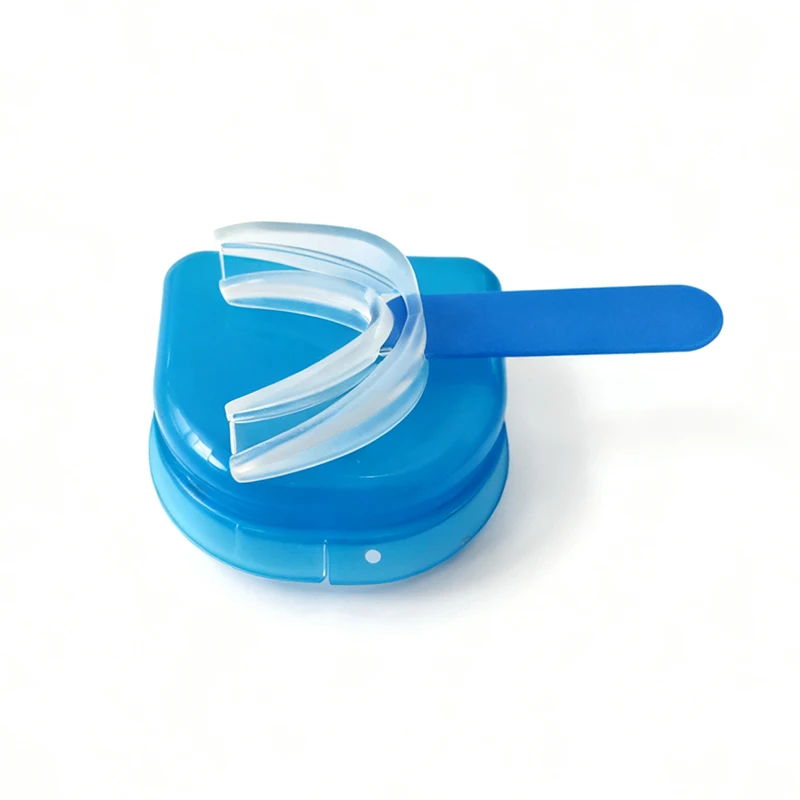
- Boil-and-bite or stock options: These can be accessible, but they are less predictable for night use. A poor fit can lead to a bulky feel, uneven contact, or a guard you stop wearing.
A custom option is not automatically right for every person, and a lower-cost option is not automatically unsafe. The practical question is whether the mouthguard fits securely, is appropriate for your dental condition, and can be reviewed if it creates discomfort.
Make fit your first comfort test
A comfortable fit is more than a pleasant first impression. A mouthguard should sit on the intended arch without falling out, rocking, pinching the gums, or requiring you to bite down constantly to hold it in place. If it feels too loose, too tight, sharp at the edges, or difficult to remove, stop treating that as a small inconvenience. Those are useful signals that the fit may need adjustment or reassessment.
When you try a mouthguard, use this short check:
- Does it stay in place when you gently open your mouth?
- Can you close your lips and breathe normally without forcing the jaw?
- Are there no sharp edges pressing on the gumline, tongue, or cheeks?
- Does your bite feel stable while wearing it, rather than tilted to one side?
- Does it remain tolerable through a short, quiet wear period before you rely on it overnight?
Some adjustment time can be normal, particularly with a new custom mouthguard. Persistent soreness, gagging, new jaw discomfort, or a changed bite after removing it is a reason to contact the provider. Comfort should not be used as proof that a product is treating the cause of bruxism; it is simply one important condition for consistent wear.
Compare material and thickness in context
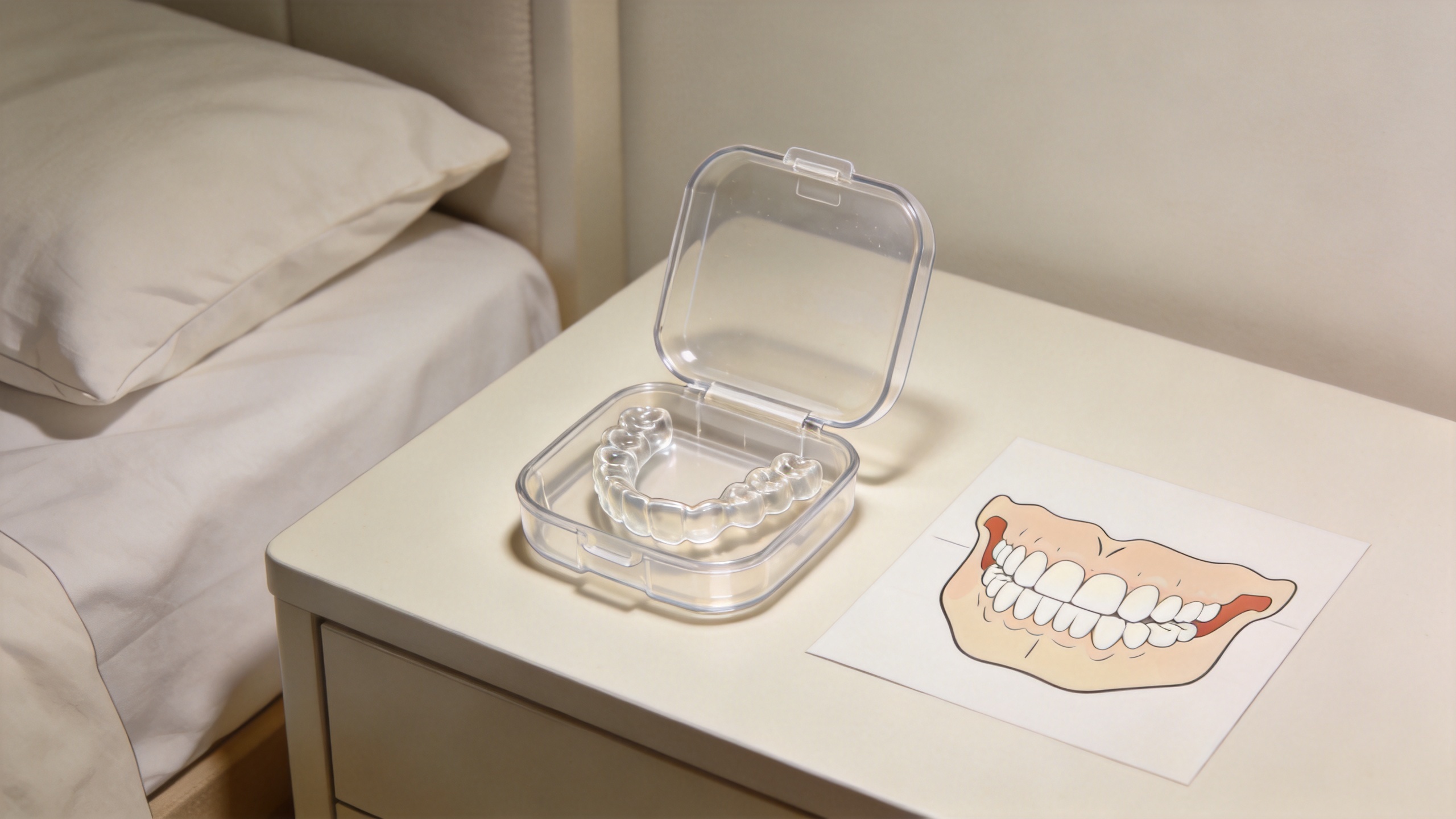
Soft, hard, and dual-layer guards are often discussed as if one material suits everyone. In reality, material choice depends on factors such as the degree of tooth wear, clenching pattern, dental restorations, jaw symptoms, and the clinician’s plan. A soft mouthguard may feel easier to accept initially, while a firmer design may be selected in other cases for durability or contact management. That is why product labels alone cannot settle the decision.
Ask what the material is, whether it is intended for night grinding, how the mouthguard should be cleaned, and how you will know it needs replacement. Also ask whether the design is appropriate if you have crowns, bridges, implants, orthodontic appliances, or untreated decay. A clear answer matters more than a broad claim about being “the most comfortable” or “the strongest.”
Set realistic expectations for bruxism relief
Many buyers want bruxism relief from a mouthguard, and that is understandable when mornings begin with jaw tightness or tooth sensitivity. A guard may separate the teeth and help limit damage from direct tooth contact. However, teeth grinding can have several contributing factors, and a mouthguard is not a stand-alone cure or a guarantee that pain, headaches, sleep disruption, or muscle tension will disappear.
Think of the guard as one part of a broader conversation. Your dentist may look for wear patterns, tenderness, damaged restorations, or changes in the bite. Depending on what they find, they may discuss stress habits, daytime clenching awareness, sleep-related issues, restorative needs, or other next steps. This distinction protects you from judging a suitable mouthguard only by whether every symptom vanishes immediately.
Use a practical buying checklist
Before purchasing a mouthguard, write down answers to these questions:
- Is this specifically a night-time grinding guard rather than a sports product?
- Which teeth or jaw symptoms have I noticed, and has a dentist examined them?
- What material, fit method, cleaning instructions, and replacement guidance are provided?
- What is the process if the mouthguard is uncomfortable or does not fit?
- Can I get help promptly if I have crowns, implants, braces, a bridge, or a history of jaw problems?
For a first-time buyer, a dental evaluation can make the shortlist much clearer. For someone replacing an existing guard, compare the new mouthguard against the old one in fit, wear, and any changes in symptoms instead of assuming the same design still suits your teeth.
Care for the guard and your oral health
A clean, undamaged mouthguard is easier to inspect and more pleasant to wear. Follow the manufacturer’s cleaning instructions, rinse it after use when appropriate, let it dry in its case, and keep it away from heat that could distort the shape. Examine it regularly for cracks, rough edges, persistent odor, or changes in fit. Do not try to reshape a damaged mouthguard with improvised heat or trimming unless the provider specifically instructs you to do so.
The right mouthguard is therefore the one that matches night-time use, fits comfortably, has clear material and care information, and is supported by appropriate dental advice. Put fit and safety ahead of marketing promises. That approach gives you a useful protective tool while leaving room to investigate the bigger picture behind teeth grinding.


 Hot News
