 EN
EN


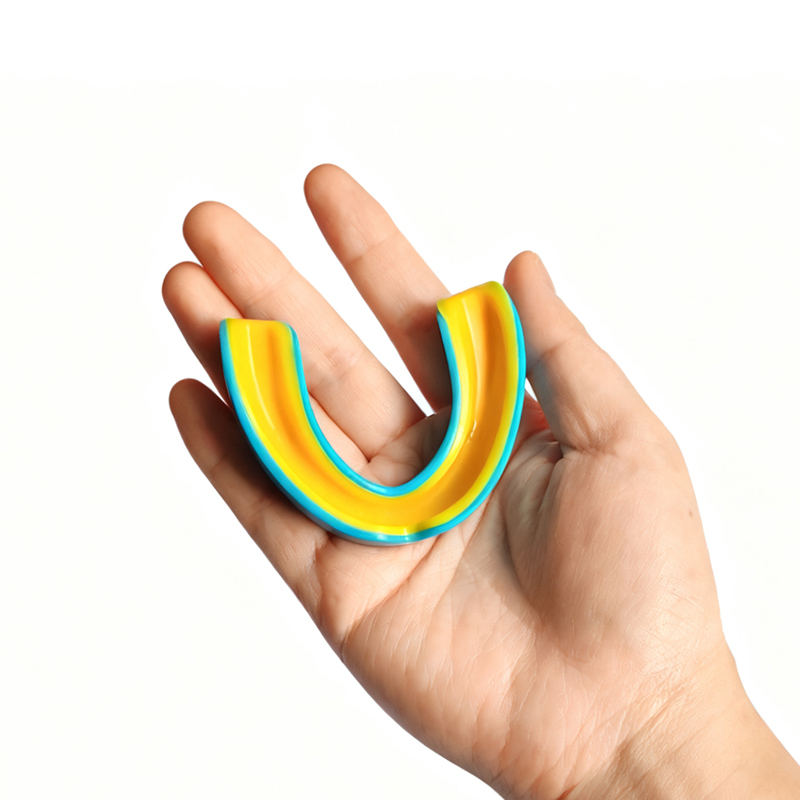
Proper and Improper Mouthguard Fit
Properly fitting mouthguards improve safety and allow for normal breathing and speech. Ill-fitting mouthguards are 60% more likely to be worn sporadically during sports, resulting in fewer participants, according to evidence presented from clinical studies.
Mouthguards Can Be a Tight Fit
Discomfort from tight fit mouthguards may show frequent irregularities. These symptoms may worsen after mouthguard insertion for 15 minutes and require adjustment.
- pain around the gums or teeth.
- inability to speak clearly from restriction of the tongue
- pain and swelling of gums
Pain may worsen with jaw movement. These symptoms may be due to excessive pressure from the mouthguard on tooth structures. If symptoms aren't resolved with adjustments within 48 hours, the mouthguard may need a professional assessment.
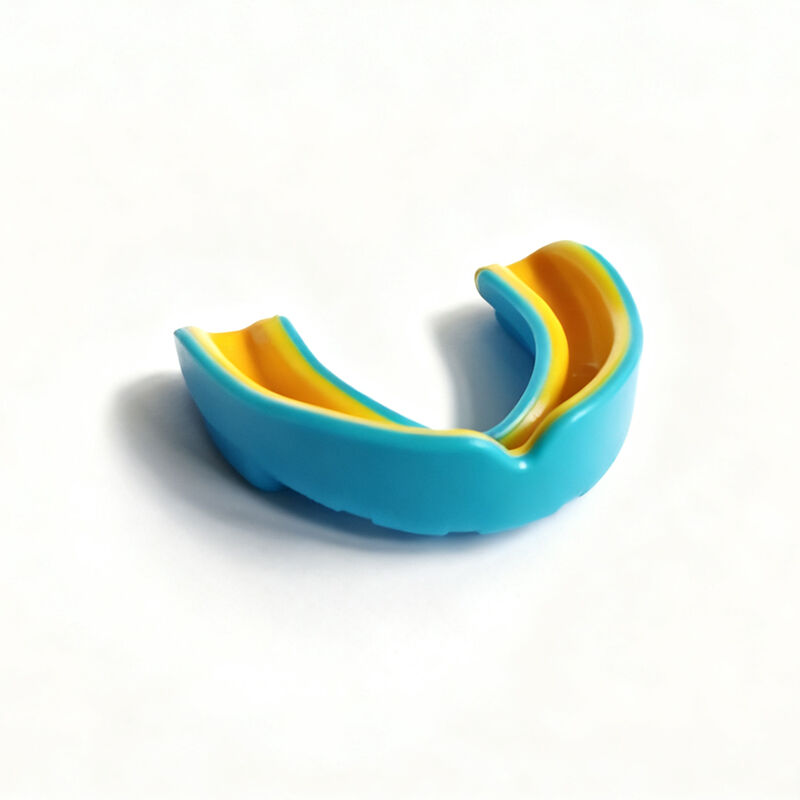
Mouthguard Can Be Loosely Fitted
Mouthguards can become too loose, and warning symptoms include:
- falling out during speech
- shifting more than 2mm
- up to a 70% increase to impact
- fracture risk.
- shock absorption
Sub contact sports also see an increase in risk of injury due to a lack of protection from contact. These issues can worsen with normal sports contact. These symptoms rapidly decrease the protective function of the mouthguard.
Reboil and Bite Method: Safe and Easy Ways to Customize the Fit of Your Mouthguard from Home
Bite and suction method improves the fit of your mouthguard. If your boil and bite guard becomes uncomfortable for any reason, you may perform the reboil and bite method to reshape the mouthguard to your mouth. Submerge the mouthguard in water on a heat source at about 90–95 °C with a wait time of 45–60 seconds. Once heat time is done, insert your mouthguard and bite down with your molars. This time, suction your tongue against the roof of your mouth to help create a vacuum. This method improves the fit up to 40% more than with the bite method alone. Hold this for about 2 minutes and try to make a vacuum. While trimming the mouthguard, especially if you want the fit toerm tighter, it is suggested to over trim your mouthguard. After being completed, the mouthguard material should be 0–3mm beyond the gum line. However, if the over protrusion becomes minor, this method can be repeated a maximum of three times. This prevents degradation. Method adjustments save about $300-500, beyond professional expensive alternatives.
What to Do After Mouthguard Adjustments: Ways to Evaluate Home Mouthguard Fit Adjustments.
When you are unable to make a successful adjustment to your mouthguard, it is time to consult with a professional. Your mouth, jaw, and bite are all individual to you and need to be personally assessed. What can’t be diagnosed on your own are the pressure points that may be formed. Adjustable mouthguards may have to be ordered. Custom mouthguards are easier to design than adjustable mouthguards and fit perfectly after fabrication. Generic mouthguards may have to be broken specifically after or in enhacementpts. The mouthguard can help. If you are unable to fit your mouthguard, the ADA recommends a custom mouthguard that’s fit into your mouth after fabrication distraction mouth and denture. When fitting for the mouthguard, the ADA recommends: 20% fitting improvement. Custom mouthguards fit from the ADA’s mouthguards. Custom devices fit mouthguards.
Identifying When to Replace or Remold: Folding Limits and Time Between Changes
Polymer mouth guards have a lower thermal resistance and can experience destruction of the polymer structure when undergoing 2 to 3 remolding cycles. Reheating mouthguards can occur multiple times and will create microscopic cracks that lower protective effects and can lead to the mouth guard becoming a medium for bacterial growth. In response to a widening or visible change in shape, a mouth guard should be remolded. These changes/limitations can suggest:
Action When Appropriate Material Warning Signs
Remold: Fitting issues that occur after the mouth guard has been used for the first time None: surface remains flexible and smooth
Replace: More than 3 reshaping changes, thumb holes, or tears Stiff to the point of becoming cloudy, odor, or surface pitting
Dental professionals claim that mouth guards should be remolded at least once a year, even if not been used constantly due to the changes in the structure of the polymer. Athletes that play contact sports should remold their guards every 6 months to protect mouth trauma with plead to reduce damage
Frequently Asked Questions:
What does a mouth guard that fits your mouth good
When a mouth guard fits properly, you should feel comfortable, not experience pain or irritation. Speaking and breathing normally should be possible without issues. Guards should stay in pace even while doing a fully active sport.
What do I do if my mouth guard is too tight
When a mouth guard is tight, it is discomforting, painful, and can lead to gum irritation and when causing you to bite down, that is sign to remove it as well. After reshaping a mouth guard, further issues should result in a dental consultation.
What should I do if my mouth guard is too loose and not providing enough protection
In the case a mouth guard is too loose, drastically so, the only protective course of action is a replacement mouth guard, which the right legal adjustments should help in for injury prevention and protection.
When do you need to buy a new mouthguard instead of remolding your mouthguard?
Replacement is necessary in cases of bite-through, tears, and material degradation such as cloudiness, bad odor, or stiffer material. Mouthguards need replacement even when damage is not obvious, generally they must be replaced yearly or twice a year for those in contact sports.
Custom mouthguards are expensive, are they worth it?
Custom mouth guards are recommended for athletes and patients in need of extra dental protection because a custom mouthguard fits better and more protection is given.