 EN
EN


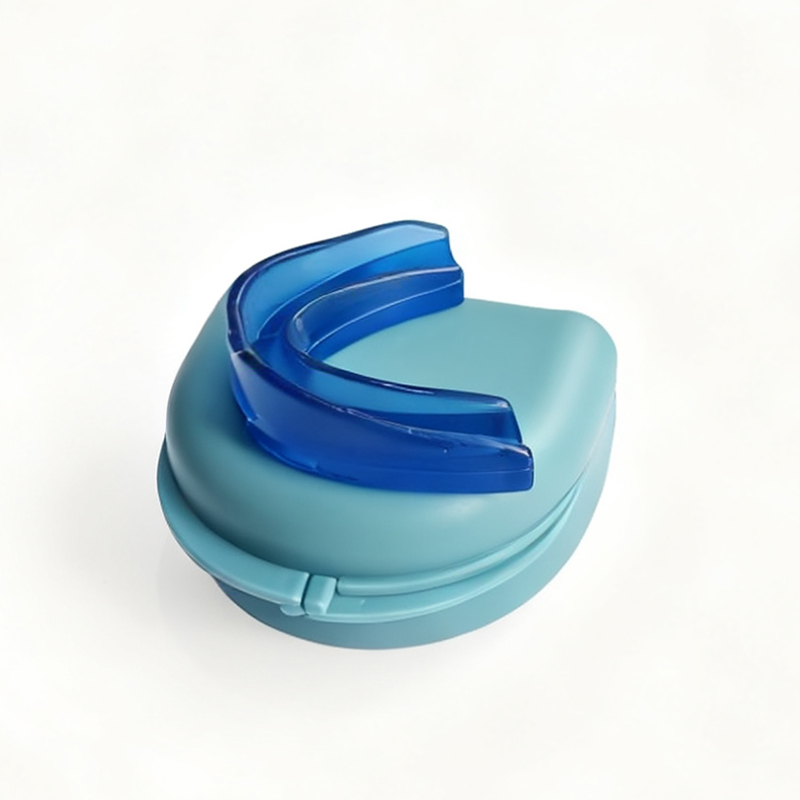
What Makes an MAD Click
The primary function of an MAD, or Mandibular Advancement Device, is to adjust the position of the jaw. During sleep, a forward jaw position creates an increased volume for the upper airway, specifically, the area behind the tongue and soft palate where collapses occur. This is how MADs eliminate the extreme soft palate collapses that generate loud snoring. Modern mandibular advancement devices are designed with adjustable mouthpieces that will protect the user's teeth and allow safe, non-harmful, jaw repositioning. Impressive improvements have been documented, such as a 74 percent reduction in collapse of the airway in moderate snorers. This means many people suffering from sleep-related breathing problems can sleep easier.
The Biomechanics Behind Forward Mandibular Protrusion: Stabilizing the Tongue Base and Pharyngeal Walls
The first step in the biomechanical chain reaction is the advancement of the mandible by the MADs:
The hyoid bone is elevated, and the tongue base is pulled from the airway.
Stretch-activated receptors in the palatal tissues are tensed, and the vibration-prone slack is minimized.
The anchoring tongue is further supported by the activation of the genioglossus muscle.
This multi-point stabilization causes the collapse of the airway to shift to the more compliant and non-collapsible. Simultaneously, the pressure is counterbalanced across the TMJ (temporomandibular joint) and remains well within the safe range of less than 5mm of advancement, so no significant strain is applied. The effect is the reduction of turbulence and tissue resonance, which quiets the snores at the source of the biomechanical problem.
From Jaw Shift to Snoring Mouthguard: The Physiological Chain Reaction
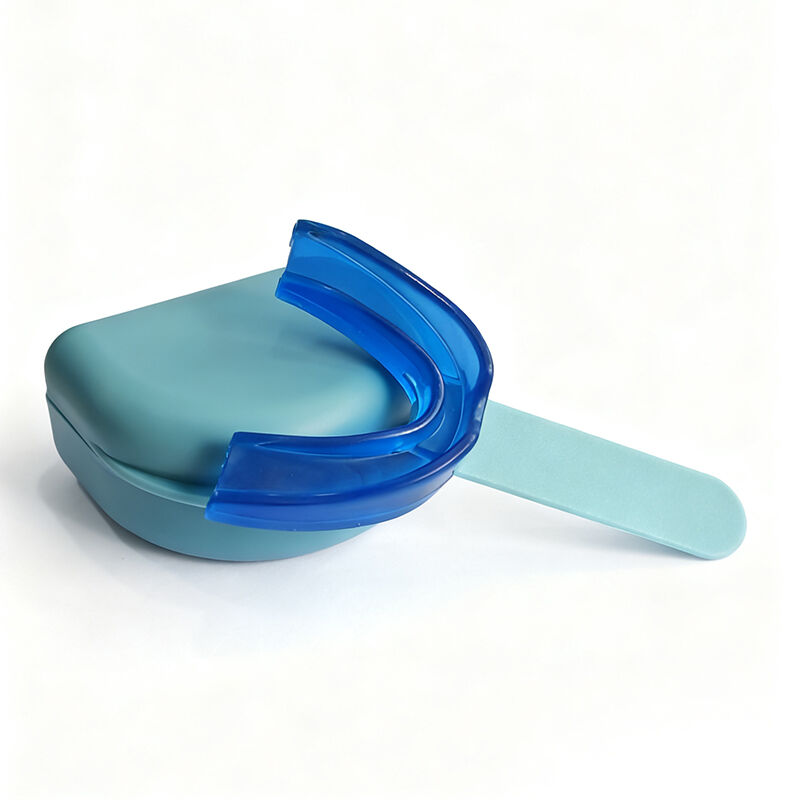
Airway Opening and Soft Tissue Vibration Reduction
Snoring mouthguards are effective because they push the jaw forward (this is called jaw "advancement" in the medical field). "Airway Vascular Resistance" research shows a "jaw advancement" in tongue anteriorization position reduces the airway resistance at the level of the tongue and vestibulum anterior to the throat wall, and slightly opens the airway by 25-35%. When there is more space in the mouth, air flows more easily and there is less resistance to snoring occurring, which is why many people find that they snore less with snoring mouthguards. Think of it this way: when the air is less turbulent, the uvula and the soft palate hit each other with less force. The more open the airway, the less vibration from the flexible walls of the throat and the less snoring.
Benefits of using Sleep Devices for Maintaining Airway Patency
The first thing we need to understand to appreciate sleep devices is the role of the jaw neurophysiology. These devices move the jaw to open the airways and activate the hypoglossal nerve. This nerve management of the tongue to open the airway in the sleep. The reduced upper airway resistance also improves the ease of breathing and oxygen levels. Sleep is not disrupted by blood oxygen levels. Deep sleep also helps in the maintenance of the tension in the throat muscles. What is more interesting is the stability if the airways throughout the night without any further manual adjustment of the device.
Snoring Mouth Guard Uses - Safety, Fit, & Clinical Considerations
Avoiding Over-Advancement: A Trade-Off in Effectiveness & Safety
When it comes to avoiding TMJ issues and shifting teeth, while also keeping the airway open, getting the right fit for a snoring mouth guard is crucial. An interesting study has noted that over-advancing the jaw 70% or more increases the possibility of developing TMJ by 42% (Rhee et al 2025). Most dentists start patients at a level that is about half of that to minimize the impact, then make adjustments based on results from post sleep study questionnaires and patient sleep study reports. From a safety perspective, the difference between professionally made devices and those inexpensive over-the-counter boil and bite devices is huge.
Fit Type | TMJ Risk | Adjustment Precision
Custom Dental Lab | 8% | Sub-millimeter
Boil-and-Bite | 31% | ±3mm
Selection of materials also influences comfort and mucosal irritation. Compared to standard polymers, medical-grade thermoplastics reduce pressure points by 67%. Jaw soreness that lasts more than 48 hours or mobility of teeth from the mouth guard may indicate over-advancement and should cue the patient to stop use immediately.
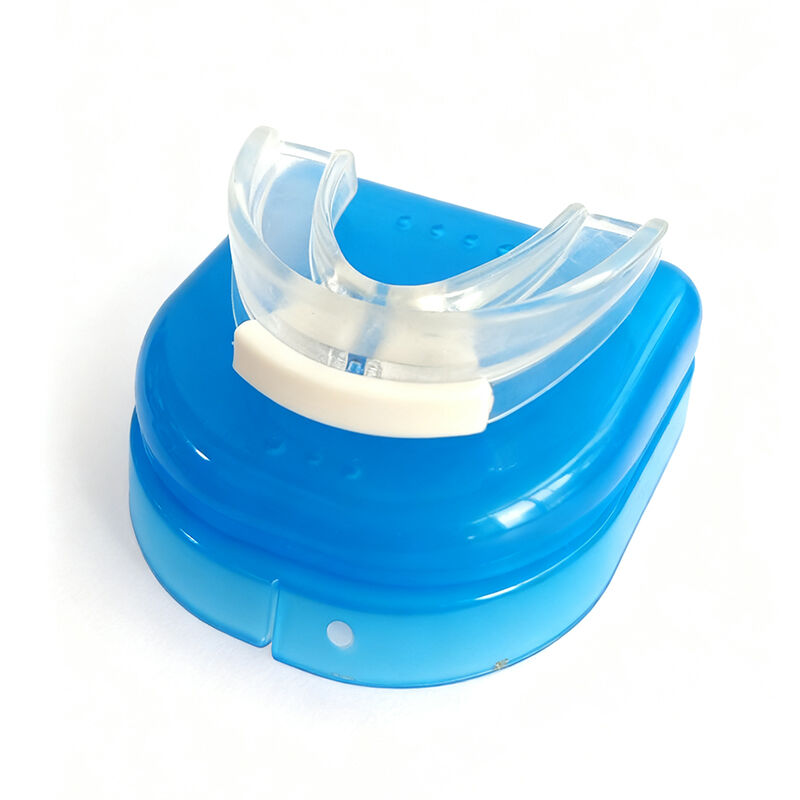
What Studies Show and What Snoring Mouth Guards Can and Can’t Do
Research illustrates that almost 60 to 70% of users suffering from mild-moderate obstructive sleep apnea and snoring issues benefit from use of mandibular advancement devices (or MADs). This is due to the fact that MADs keep the users’ throats open during sleep. This is, however, not the case for more severe issues, and that is when doctors recommend CPAP devices, which are designed to keep the throat from closing by delivering air to the user at a constant rate and pressure. MADs operate by pushing the user’s lower jaw more to the front than what is considered normal. This causes soft throat tissue to be supported and kept in a safe position. There are, however, several issues associated with this approach, and this is a fact supported by many patients.
Users report temporary side effects such as jaw discomfort, excessive salivation, or pain in their teeth and up to 25% of users experience these symptoms.
Improper advancement can cause TMJ strain and bite misalignment.
Considerable anatomical factors, such as palate structure and tongue size, can lead to effectiveness.
Mouth taping is another rising trend on social media, and although it is not safe, there is always a risk of suffocation, which is why something like a mandibular advancement device (MAD) is different. MADs are FDA approved devices for treating sleep disorders. That doesn't mean they'll be the most effective solution as the most effective solution will probably be a custom made snoring guard from a dentist specializing in sleep medicine. These guard products are much less effective than proper custom made devices. Airway assessments are crucial to this process as it gives clinicians the ability to determine if the patient will require which devices and to pose the patient’s jaw to avoid creating issues in the teeth and jaw dysfunctions in the future.
FAQ
What is snoring mouth guard?
A snoring mouth guard is a type of mouth guard worn during sleep while a person snores, and they also allow a person to sleep with their mouth open. It is also called a mandibular advancement device (MAD). It prevents snoring by advancing the mandible and hinder the obstruction of the airway.
What are the benefits of using a mandibular advancement device?
A mandibular advancement device helps snoring by advancing the lower jaw, opening the airway at the point of the obstruction, eliminating collapse of the tissues, and eliminating the vibrations of the tissues.
Do you need to see a dentist to get a mouthguard for snoring?
No. However, a healthcare professional will assess you to see if you are a candidate for a mouth guard for snoring.
What are the risks of using a snoring mouth guard?
Although there are benefits from using a mouth guard for snoring, there are also risks, such as jaw pain, drooling, and tooth pain. Additionally, if it’s not properly fitted for long term use, it can cause misalignment of the bite, TMJ, and other issues.
Is a mandibular advancement device snoring mouth guard useful?
As mentioned earlier, these devices are useful to 60 - 70 percent of the population for issues relating to mild or moderate snoring. On the other hand, severe snoring issues, it is not effective, and in such cases, a CPAP machine may work better.