 EN
EN


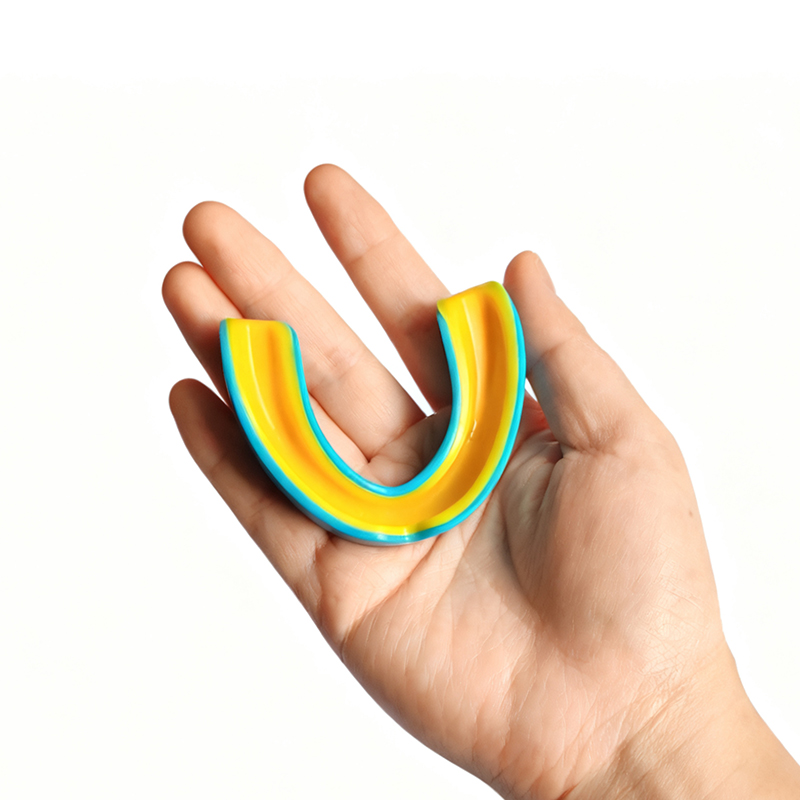
How Mouthguards Prevent Dental Injuries
Mouthguards are great at being flexible and absorbing impact. This means whatever outer layer hits the impact will compress, and absorb the energy, and will hit something like the teeth or the jaw. The material will compress and hit the teeth or the jaw a lot softer. Some researchers and studies have found out that flexible, soft, and lightweight impact does absorb energy pretty well and breaks the peak energy down a crazy 60% (60% less energy). The energy won't have all of the focus on a single tooth, and the impact will be deflected sideways. Because of all of that, there will be significantly less chance that a tooth will crack or break. Also, there is another reason that protects your teeth and jaw. It protects the jaw and teeth from hitting each other on impact, and, because of all the technology and physics that go into designing the guards, they will deflect impacts away from the jaw to make sure that the jaw isn't injured.Controlled forces across the jaw means fewer serious dental injuries. Studies show that athletes that do not wear mouthguards are 82% more likely to break their teeth. For dental luxations (where teeth are no longer in the correct position), custom mouthguards have been shown to decrease this incidence by up to 75%. Not only do mouthguards decrease dental injuries and dental luxations, they decrease the incidence of complete tooth loss. Mouthguards absorb the shock of the teeth supporting tissues and stabilize them during lateral jaw movement. For mouthguard wearers, the incidence of dental trauma emergency care is 2/3 less than that of non mouthguard wearers, as shown by sports medicine records and journals. This is a huge difference in dental trauma emergency care. Mouthguards greatly reduce the trauma and subsequent costs associated with dental injuries.
Research in the last 25 years has shown that mouthguards significantly reduce the incidence of dental injuries in athletes in most athletic activities.
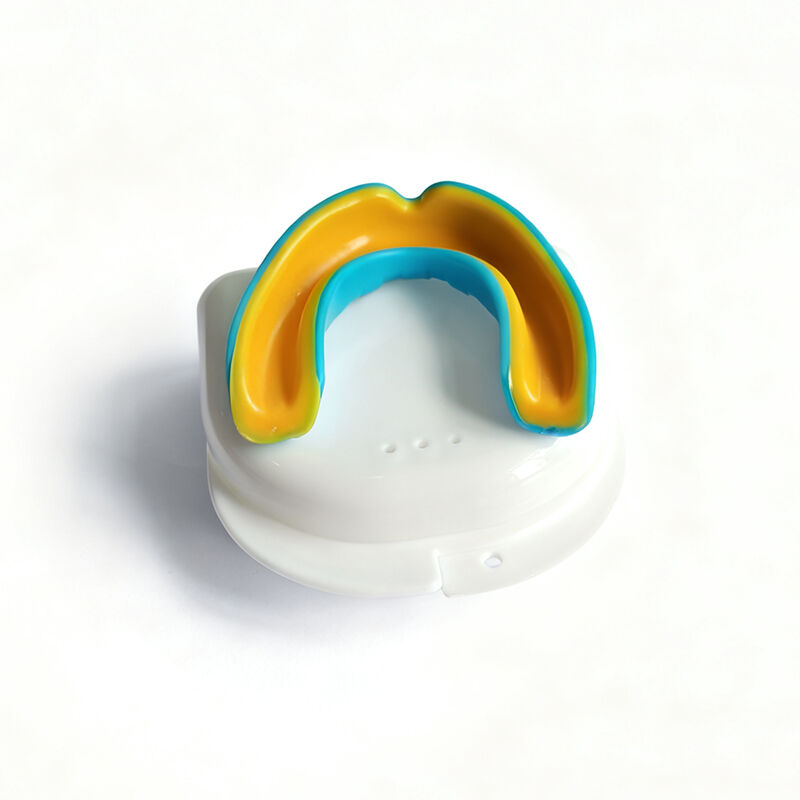
Fitted mouthguards vs. stock mouthguards injury prevention statistics
A recent study done in the Journal of Athletic Training showed that people who use custom mouthguards sustain 60% fewer dental injuries than people who use stock mouthguards. Custom mouthguards are built to fit the contours of the user's mouth. This allows for the user's mouthguard to remain in the same position during a dental impact; therefore, the user braces impact forces better. This is not the case for stock mouthguards. For stock mouthguards, the opposite effect occurs; mouthguards dislodge during impact from the user's mouth. Less impact padding in stock mouthguards means that the user receives a higher impact in the mouth.
Specific sport mouthguard protection
Across sport categories, injury protection levels are different.
Sport Injury Protection
Contact Sports: (Boxing, Wrestling, etc.) 62%-73% The prevention of jaw injuries
Collision Sports: (Basketball, Hockey, etc.) 47%-68% Protection of teeth
High Velocity Sports: (Biking, Scootering, etc.) 39%-54% Protection from concussions
Different sport mouthguards are built to account for different levels of sport impact to help protect the user from injury.
A good mouthguard protects the mouth from damage caused by the teeth and the cutting of the mouth caused by face punches. The sharp teeth edges on the mouth can damage the tongue and the inner walls of the mouth and pull down the skin. Because face injuries happen a lot on the court and field, mouthguards are especially important for contact sports. Good fitting mouthguards help to decrease the teeth and gum rubbing injuries that occur when the jaw moves suddenly and impact injuries caused when the jaws are closed like a brace that help to keep everything in position. Good quality mouthguards protect against several injuries. Good fitting mouthguards prevent injuries to the tongue and mouth caused by teeth and cuts caused by the skin being pressed against the teeth when the jaw is closed. The manufacturers of high quality mouthguards use special materials that absorb the impact and distribute the damage area evenly. A study suggests that the use of some materials improves the mouthguard to decrease injuries and damage to soft tissue by approximately 80% depending on the condition and the mouthguard quality.
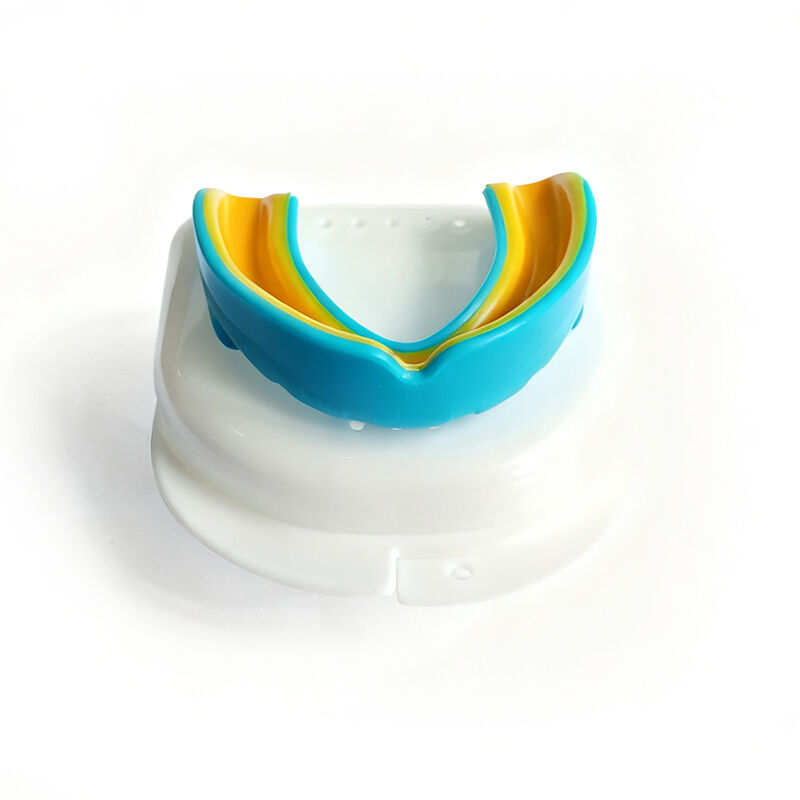
The Effect of Mouthguards on Injury Severity
The protective qualities of a mouthguard extend beyond minor dental injuries and lacerations to the mouth and reach serious injuries on other parts of the body. When an athlete is hit, the mouthguard absorbs some of the impact prior to the force transferring to the person’s jaw or skull. Jaw protection means less direct impact to the brain, which is why some mouthguards are proven to prevent concussions in ~30% of cases. These mouthguards prevent jaw fractures and TMJ issues. Properly fitted mouthguards help to ensure that an athlete suffers less severe injuries of the head and face, which helps them to recover and return to play more quickly, thus avoiding the long-term health issues associated with repeat head injuries. Mouthguards are protective gear that do more than just protect a player's teeth, and a good coach knows to require them for players exposed to body contact in collision sports.
Common Questions
What mouthguard uses should athletes have?
A mouthguard's main use is to prevent dental injuries. They provide a protective impact for the teeth, which helps to decrease the chances of a fracture, displacement, or complete avulsion of a tooth. They also prevent injuries to the soft tissues of the mouth.
Are mouthguards that are custom-fitted better than stock mouthguards?
Stock mouthguards cannot provide the same level of protection as custom-fitted mouthguards since stock mouthguards do not adjust to the shape of your teeth or your gums. Therefore, custom-fitted mouthguards offer better comfort and protection because they are more likely to stay in the proper position and are more likely to absorb the impact of forces.
Do mouthguards offer protection against concussions?
The primary purpose of mouthguards is to offer protection for your teeth. Therefore, mouthguards do not provide protection against concussions, however, they can absorb some of the impact energy, and in that sense, they can provide some level of protection against concussions. That said, mouthguards cannot be used as an alternative to other protective devices that are designed to offer protection against concussions, such as helmets.