 EN
EN


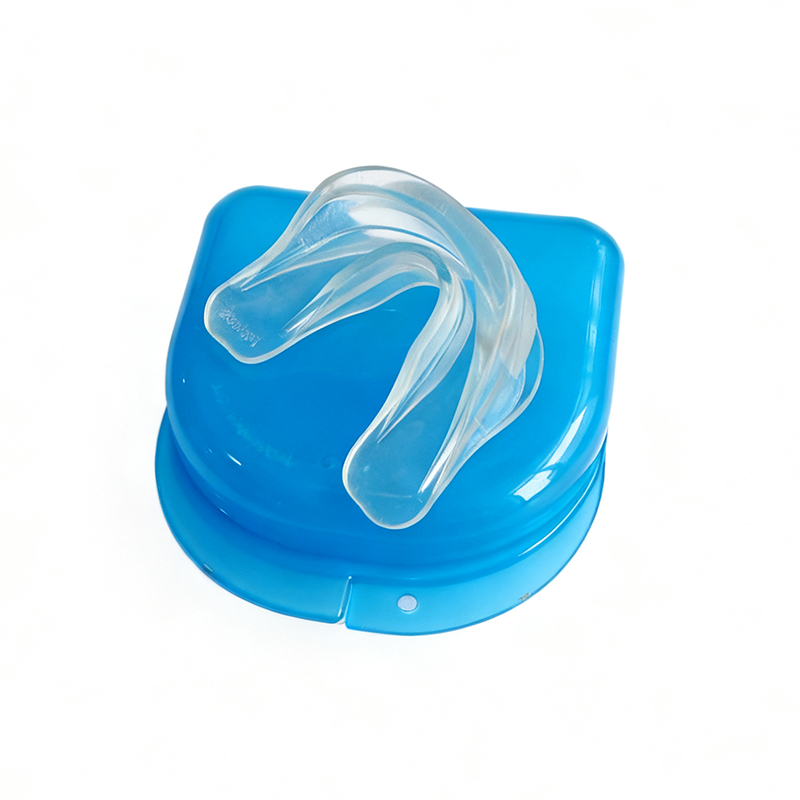
Measuring the gingival sulcus is critical for injury prevention when creating fitting dental trays. Dental trays that are poorly customized create excess force on the gum line. Improperly designed dental trays that are inserted too far create a vicious cycle that inflame the gum line and abrasively tear the protective epithelium cover. There is a phenomenon in biologic tissues where if the pushing force on a tissue exceeds a tissue's capillary outflow (around 30 mmHg), the blood flow will cease and the tissue will undergo necrosis rapidly. Dental studies have proved that a small gap in the margins around restorations (about 0.3 millimeters) is sufficient to increase the pressure in the immediate tissue surrounding that margin. Consistency is the increased pressure and irritation that is experienced by patients.
Finding the right margin placement when making a mouth tray is a matter of finding the balance between sealing the mouth tray to the tray and leaving enough biological structures to allow for tissue mobility. Other dental professionals suggest that the right placement is located at the gingival zenith. This zenith is at the point where the tooth is at its greatest gingival extension. This means that the margin placement will allow for a complete seal around the tooth while still being above the margin. To allow for tissue mobility and the formation of peri-tissue volumetric and/or functional swelling as a result of chewing and mouth movements. A margin of 2 to 3 mm is advised between the edge of the tray and the gum tissue. In the case of research, it has been shown that a margin of 2.0 to 2.5 mm to the gum line is associated with a 66% reduction in inflammation when compared to tight fitting trays that extend to the gum line. In addition, this space aids in preventing whitening gel and/or fluoride treatments from being dispersed and maintains the desired amounts of pressure to be applied without the harmful, lateral, or unintended pressure to the thin gingival pockets between the teeth.
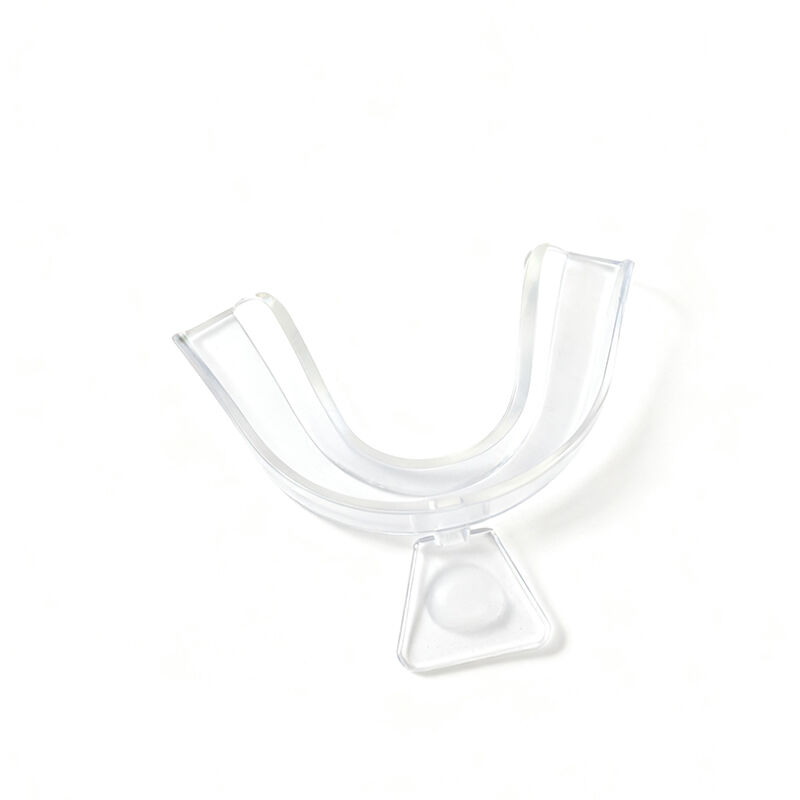
Correct Mouth Tray Insertion Technique to Eliminate Pressure on Gums
Step-by-step guide on how to insert trays to avoid pushing and pinching gums.
Begin inserting the mouth tray by moving the cheeks back toots and keeping it aligned with the arch. The tray should touch the ribs and posterior each of the back teeth first, and then use your thumb to guide the tray, making sure not to touch the gums if the tray is not seated. You should be able to push the tray in but this should not involve any force to avoid causing excessive discomfort to the patient. If there is resistance, such as in the molar area, it is better and less irritating to the gum pockets to twist the tray rather than push the tray in. Using this method will reduce the friction and irritation to the soft tissues in the mouth. In this particular area, research in prosthodontic mechanics has shown that there is a nearly 75 percent reduction in tissue trauma compared to other untrained methods.Identifying safe occlusal-gingival contact: Signs showing seal without a fixative effect:
A correctly placed tray shows three objective signs:
A 0.5-1 mm uniform thin gap between the tray and the gingival margin
No blanched and red areas on the mucogingival junction after 30 seconds of tray positioning
Retention by gentle suction only—no firm compression.
Localized areas with imprints or indentations on the tissue are due to the tray being too tight and require repositioning. This balance allows for therapeutic action while protecting periodontal blood vessels from the ischemic effect.
Preserving Gum Health with an Evidence-Based Mouth Tray Protocol
Optimizing therapeutic effect & minimizing microtrauma to the epithelium – duration and frequency
Trays used for mouth treatments can cause significant damage to the gums; however, damage to the gums can be avoided with proper use instructions. Research from the Journal of Periodontal Research from last year, shows that tissue damage from inflammation was significant for those that wore the tray for longer than thirty minutes. Most experts in the field of teeth whitening recommend an extremely conservative approach to whitening, usually no more than two, twenty to thirty minute sessions in a day. If overnight use is desired, the user should ensure that the product is FDA approved to avoid irritation to the mouth. The American Dental Association has specific recommendations for periodontal device users.
Duration means how long the session takes, which can range from 15-45 minutes. This will depend on how long the agent takes to reach maximum concentration. For example, exposure to chlorhexidine gels requires less time.
Every day for a period of 7-14 days (this period may need to be repeated) followed by a set time to allow the tissues to recover.
If the tissues become localized blanching, tenderness, or edema, monitoring should be stopped immediately.
Wearing the device for two days then having a day free of the device for the purpose of self-collection of oral fluid, is shown to be the most effective method to reduce the risk of gingival microtrauma. This method is also recommended for all tray-based therapies. Salivary pH measurement is also a significant risk factor. If you measure your pH and find it to be less than 6.2, the risk factor is exponentially increased.
Pre-Wear Oral Hygiene and Mouth Tray Maintenance to Avoid Additional Irritation
Managing oral hygiene before putting your mouth tray in is huge in avoiding transference of germs and pain-causing inflammation. To prevent initial irritation, please brush and floss your teeth. Plaque and food (which cause) build up bacterial colonies along and in the gaps of your gum line. Here are the steps to clean your tray as part of your daily maintenance:
Right before putting your tray away, clean it thoroughly using a soft bristle toothbrush and a non abrasive cleaner. This will stop the buildup of (sticky) stuff in the cracks of your tray.
Use a cleaning (like diluted) vinegar week to clean away germs, fungus, and other nasty stuff.
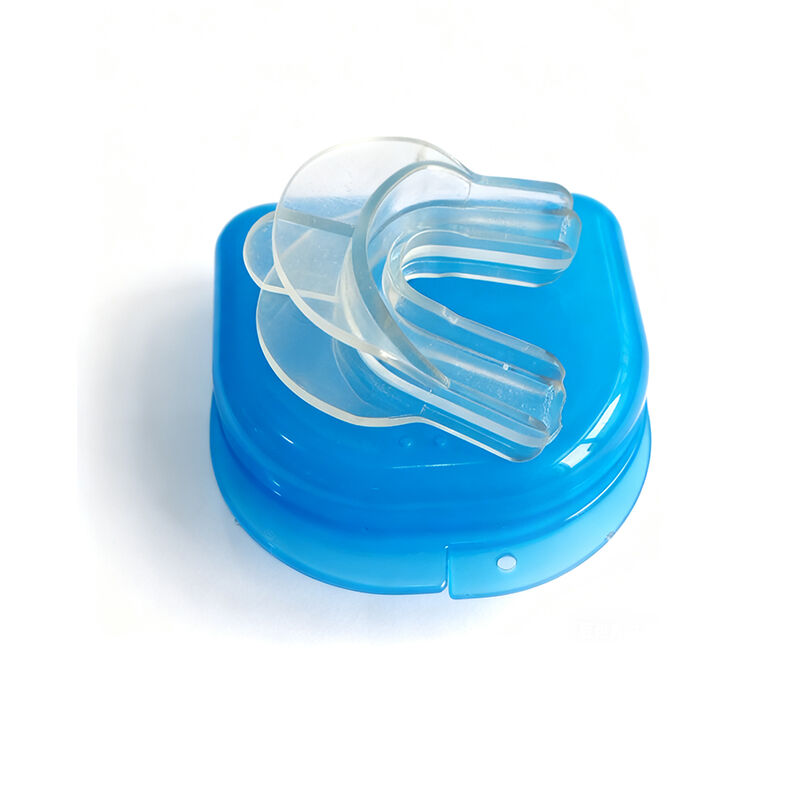
Make sure your tray is completely dry before closing it up to a dry case (to stop being a petri dish).
Every month, check your tray to see if it is cracked, warped, or if it has deep scratches. These are bad because they will trap food and bacteria. They will also make tight, gum-kissing tissues (which will) cause (them) pain and irritation. Replace your tray every six months or every year. This is because the material is disgusting and because the bad higeine degrades the ability to make the tray fit is bad. If you never clean your mouth (tray) you will please irritation and inflammation of your (inner mouth) over the long period of time.
FAQ
Why is it important to get gingival sulcus measurement right for the dental tray to fit?
To prevent harm caused from dental trays, you have to get the measurements right. Trays that don't fit cause inflammation and injuries of the gum line, the tissues are pushed up and and irritation is caused.
How do you get the mouth tray margins to sit properly?
Margins sit properly when the tray is situated at the gingival zenith so that the tray fully contacts the tooth without being in contact with the gums, this means maintaining 2 to 3 mm of clearance.
What indicates that the mouth trays are properly seated?
Trays are seated properly when there is a single light, even gap at the tray margin and gum margin, there is no blanching at the margin, and there is no active retention with tight suction.
How long and how frequently should mouth trays be used?
Wearing mouth trays should be done with short sessions of 15-45 minutes, 1 time per day for 7-14 day periods, and then breaks should also be taken to prevent gum microtrauma.
What mouth tray maintenance is needed?
To prevent further microbial growth and to maintain the integrity of the fit of the trays, mouth trays should be cleaned daily, disinfected weekly, and replaced every 6-12 months.