 EN
EN


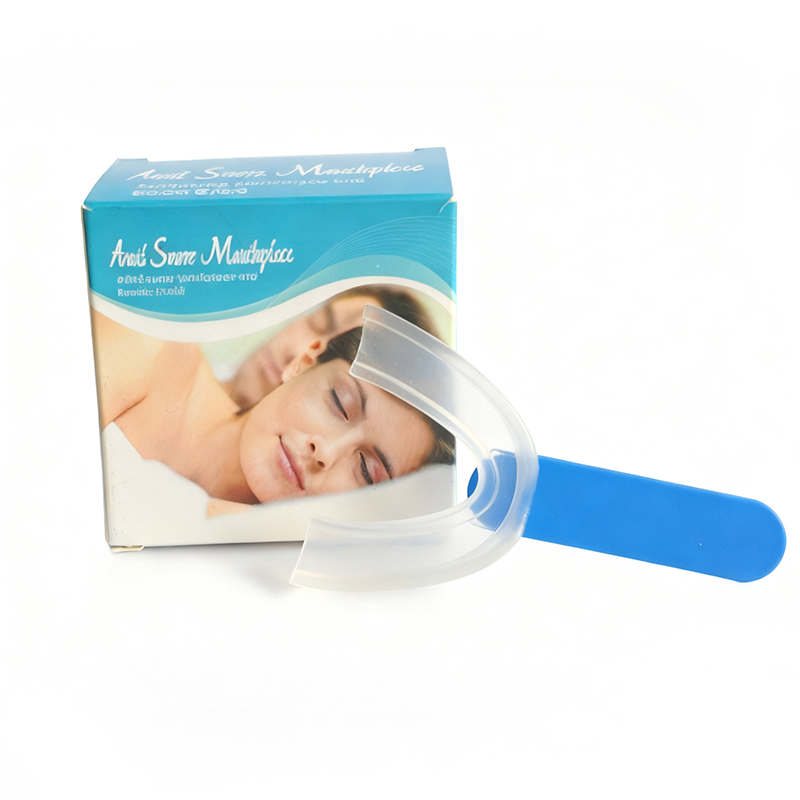
MADs (Mandibular Advancement Devices) are clinically proven to reduce the Apnea-Hypopnea Index (AHI) in mild obstructive sleep apnea (OSA) patients. However, MADs are only effective when prescribed and adjusted to the patient by a clinician. Research shows that custom-designed MADs reduce AHI by at least 50% in 60-70% of patients with mild OSA. There is a research bias of precision). For example, a 2023 multi-center trial, patients that had devices set to advance their jaw by 6-8 mm had their AHI avg. drop from 12.2 to 5.1 (normal AHI is 5 or less). Clinicians need to strike a balance between keeping the airway open and avoidance of a poor, misaligned bite, or TMJ (temporomandibular joint) issues, with 3-4 follow-ups over a 3 month period to achieve such precision.
In contrast, the inexpensive over-the-counter mouth guards marketed as anti-snoring mouth guards do not offer the appropriate calibration instructions and tend to fall shy of the required protrusion of approximately 70% that would make a physiological change.
The Difference Between OTC Claims and Direct FDA-Cleared Claims
The FDA has only cleared OTC anti snore mouthguards for snoring and not diagnosing or treating obstructive sleep apnea (OSA). But look at this: close to 89% claim their products work for OSA. These are not backed by true scientific claims and blatantly go against FDA guidelines. Prescription MADs are for mild to moderate OSA and require sleep studies prior to being prescribed. Their clinical testing is far more thorough than over the counter versions. Some recent testing from last year showed something pretty telling too. 92% of those boil and bite models moved the jaw less than 5 mm forward. We need 6-10 mm to show improvement in AH index. Without clinical trials to show actual benefit from OTC products, claims about OSA are dangerous. These claims can prevent those in need from using appropriate OSA treatment such as CPAP machines, especially for those who have OSA and don't know it.
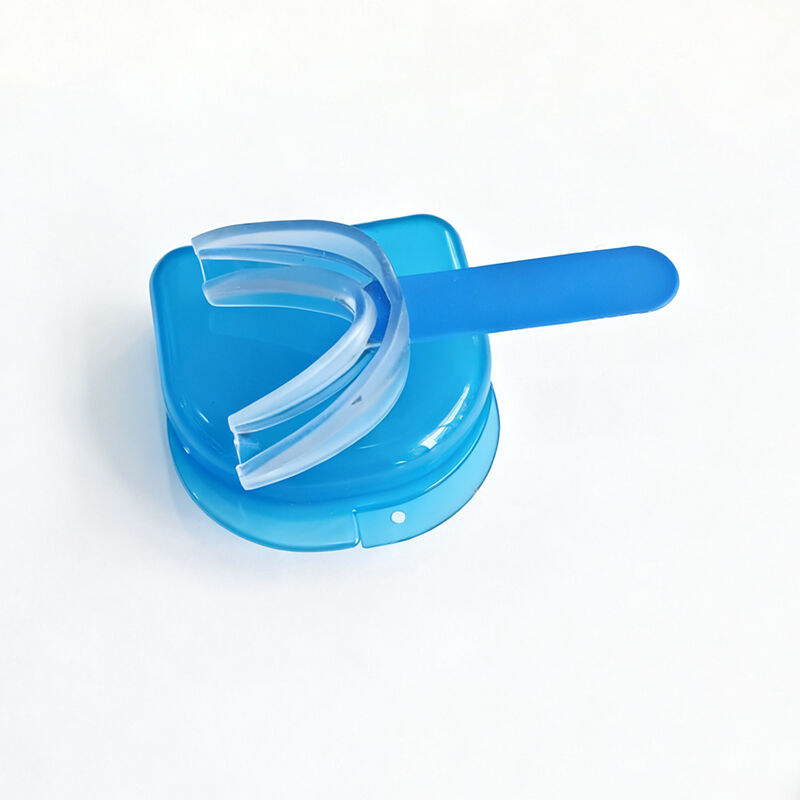
Sleep apnea that is not treated can cause problems such as high blood pressure, heart problems and even problems with memory in the future.
Key Differences: Anti Snore Mouthguard vs. FDA-Cleared Oral Appliances for OSA
Regulatory Status, Design Precision, and Clinical Validation
FDA-approved oral devices for obstructive sleep apnea (OSA) and anti-snore mouthguards from gas station pharmacies have three primary differences. Looking at regulation first, FDA-cleared devices have to show proof, usually through clinical studies, of effective and safe treatment for a range of OSA cases and commercial devices (anti-snore mouthguards) only show proof of treating snoring. Also, the 510(k) process, which usually only requires proof of a product's commercial viability. The most precise design and custom fit MADs use digital scanning and/or impression techniques, and then apply CAD and 3D printing to tailor the design and fit to coronary anatomy (at the level of the individual's bite and jaw). The boil-and-bite MADs that are sold over the counter are made from a cheap and poorly designed to fall out during sleep and not adjust the jaw to the proper position. Clinical research shows something pretty telling too.
Patients with mild OSA often see a 50-75% improvement in their Apnea-Hypopnea Index (AHI) when using mouthguards with supervision training. However, the concerns with these products in the over-the-counter (OTC) market are significant. An independent review determined under 25% of these products make true, self-reported performance claims, and no peer-reviewed studies report meaningful reduction in AHI. Due to the lack of evidence, the American Academy of Dental Sleep Medicine and the American Academy of Sleep Medicine recommend patients seeking oral appliance therapy to do so through a system of healthcare providers with sleep medicine specialists and qualified dental professionals on a collaborative care team.
Risks of Using Anti Snore Mouthguards Without a Medical Professional’s Guidance or a Sleep Study
Dental Damage, Underlying Issues, and Ignoring OSA
Buying an anti-snore mouth guard from a store without a visit to a doctor or specialist comes with several risks associated with teeth damage, pertained health problems, and postponement of correct OSA treatment. We will touch on teeth damage first. As guided in sleep medicine, mouth guards that do not fit properly can cause teeth to shift, create TMJ jaw pain, and mess with your bite. Secondly, health problems can get worse if someone uses an anti-snore and stops snoring. Many people with OSA do not know they also have it. Snoring stops, but it can be a sign that OSA is getting worse. Heart problems, metabolic disorders, and strokes can happen with OSA. Lastly, people who use anti-snore mouth guards often ignore getting proper treatment. Sleep studies and custom sleep apnea mouth guards or CPAPs can be easily ignored after someone purchases an anti-snore mouth guard. Treatment for sleep apnea is important for the heart and preventing problems later on.
Because of this, they believe seeing a sleep specialist is the best option instead of finding something yourself.
Including Anti Snore Mouthguards In a Wider Strategy for Managing OSA
Anti snore mouthguards, and more specifically, professionally issued MADs (Mandibular Advancement Devices), can be valuable when developing a treatment strategy for obstructive sleep apnea and should be used in conjunction with other healthcare providers (e.g., physicians, dentists, etc.) who work together on an integrated approach based on a precise diagnosis. Studies indicate that for a number of patients, MADs will be the most appropriate first-line therapy solution for OSA of mild severity. Additionally, they may be beneficial to patients with OSA of mild to moderate severity who are unable to tolerate continuous positive airway pressure (CPAP) therapy. The mechanism of action of these mouthguards (or splints) is to anteriorly reposition the mandible in order to maintain patency of the airway for the duration of sleep. This treatment option is based on a significant amount of evidence, and when used in conjunction with other sleep specialists, leads to the best outcomes.
Unless someone is looking to just get temporary relief for mild symptoms after doctors have ruled out anything serious like moderate or severe disease, OTC anti-snoring mouthguards are not going to play a role in helping someone with OSA. These mouthguards actually do more to help with snoring than airway obstruction during sleep, assuming they do anything for that at all. Real treatment for OSA requires a coordinated effort from multiple providers. First, sleep doctors need to determine if OSA is present, and if so, the severity. This requires polysomnography or a home sleep apnea test. Then the dental side comes in to ensure the mouth guard is made and used appropriately for the specific case. Each side—sleep and dental—should monitor the impact of the intervention over time with follow-up AHI, SpO2, and Epworth sleepiness scores, in addition to the patient’s reported sleep experience.
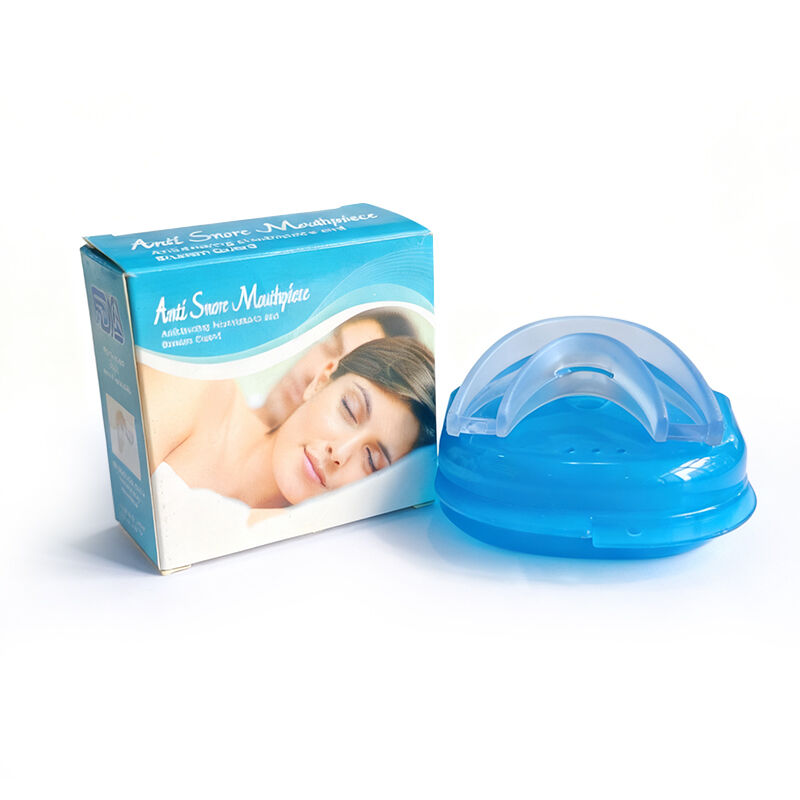
Consideration Professional Approach
Device Type Dentist-fitted MADs approved for use with OSA
Timing Started after diagnosis with just mild OSA or CPAP intolerance
Safety Every 6 months dental checks for occlusion, TMJ, and device safety
A comprehensive approach includes management of comorbid factors—such as correction of nasal resistance, use of positional therapy, or weight management—as recommended by the AASM for use in combination. Out of pocket, unrestricted usage of non-regulated devices is a standard of care violation and offers only short-term relief as opposed to long-term, clinically proven, and safe outcomes.
FAQ Section
What are mandibular advancement devices (MADs)?
MADs are a type of oral device used to treat mild obstructive sleep apnea by advancing the lower jaw to decrease the number of OSA events. They are most effective when used with proper prescribing, fitting, and regular adjustments by a qualified healthcare professional.
Do any OTC mouthguards treat sleep apnea?
FDA-cleared OTC mouthguards are designed only for the purpose of snoring reduction and are not intended to diagnose or treat sleep apnea. Because most of these devices do not actually achieve the required jaw position to relieve OSA, depending on them for treatment may allow serious problems to remain unaddressed.
What are the dangers of using OTC anti snore mouthguards?
Mouthguards that don’t fit correctly can do damage to your dental alignment, mask worsening symptoms of OSA, and can postpone important treatment options like CPAP machines or professionally prescribed mouth guard, which increases the health risks that arise from untreated sleep apnea.
What is the role of MADs in the treatment of OSA?
Professionally prescribed MADs may serve as a primary treatment for mild OSA, particularly in those who are CPAP intolerant. However, this can only be achieved through a multidisciplinary approach with sleep physicians and dentists.