 EN
EN


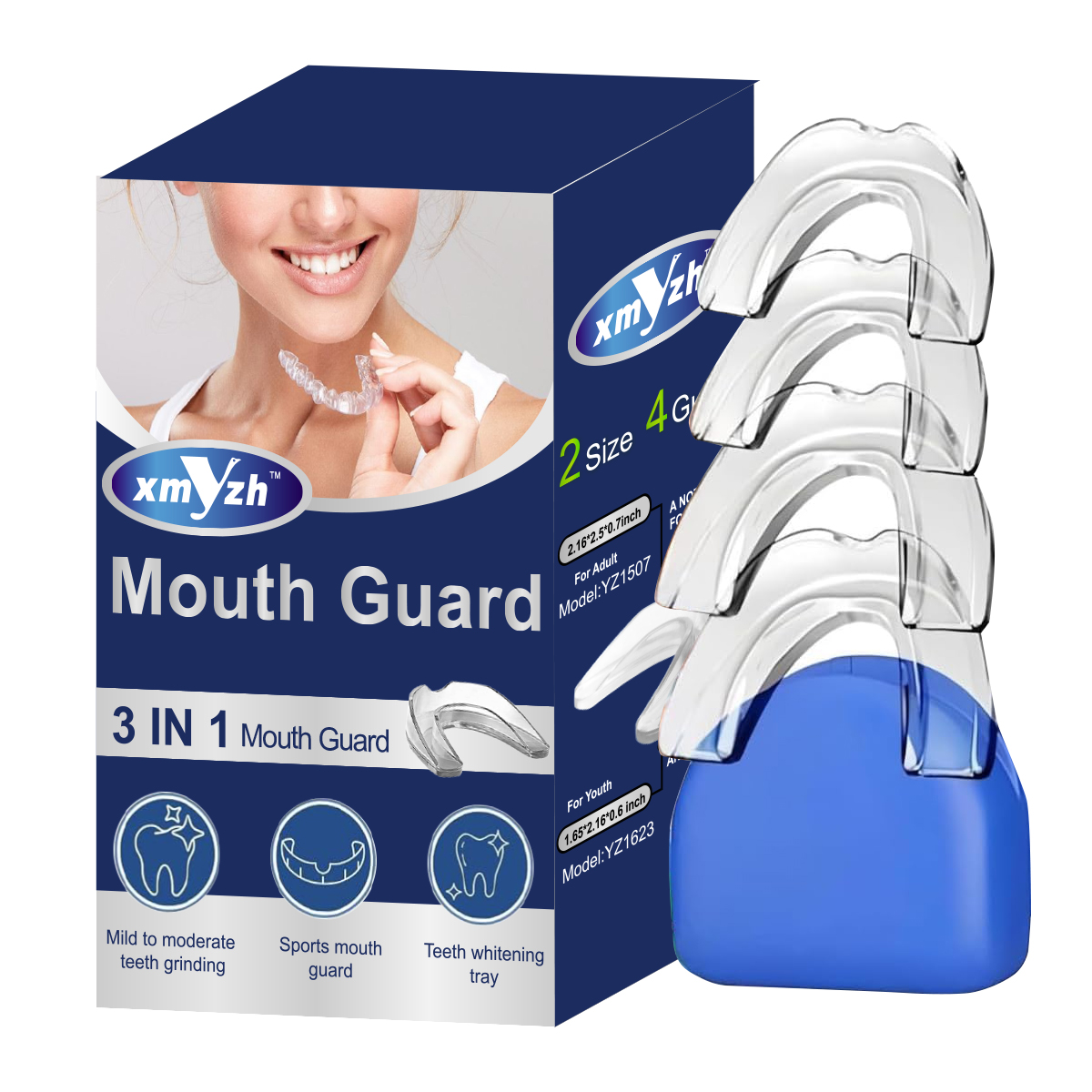
The protective function of a mouth guard relies on ability of the guard material to capture and dissipate energy from the impact. Unfortunately, an increase in thickness of the guard limits comfort and performance function. While increased thickness of thermoplastic elastomer (TPE) or ethylene vinyl acetate (EVA) layers may improve force dissipation, they contribute to increased oral bulk, which directly affects key physiological functions:
The American Dental Association recommends equal to or greater than 3mm of occlusal thickness in order to maintain a basic standard of oral function, a standard many of the stock guards have, but no additional safety features.
The Gap in Compliance: Real World Examples that Show the Relationship Between Discomfort and Non-Use of Mouth Guards in Contact Sports
Most stock mouth guards do not fit well, and there is not much protection to consider with them. These mouth guards are typically 3 to 5 mm thick and are made to fit most people, but this results in them not fitting with all mouth shapes. This is what causes them to come out during play. People then unconsiously start to lock their jaw to keep the mouth guard in. This results in added trouble to talk and breath. Studies have shown that more than half of football and hockey players quit using the mouth guards completely. When people are surveyed about their mouth guards, 80% say that the mouth guards feel too big to be in the mouth. The big problem is the mouth guards are too stiff. The thickness is supposed to protect the mouth, but with increased thickness, the mouth guard is great at absorbing shocks, but this means that more energy is transferred to the head during impact.
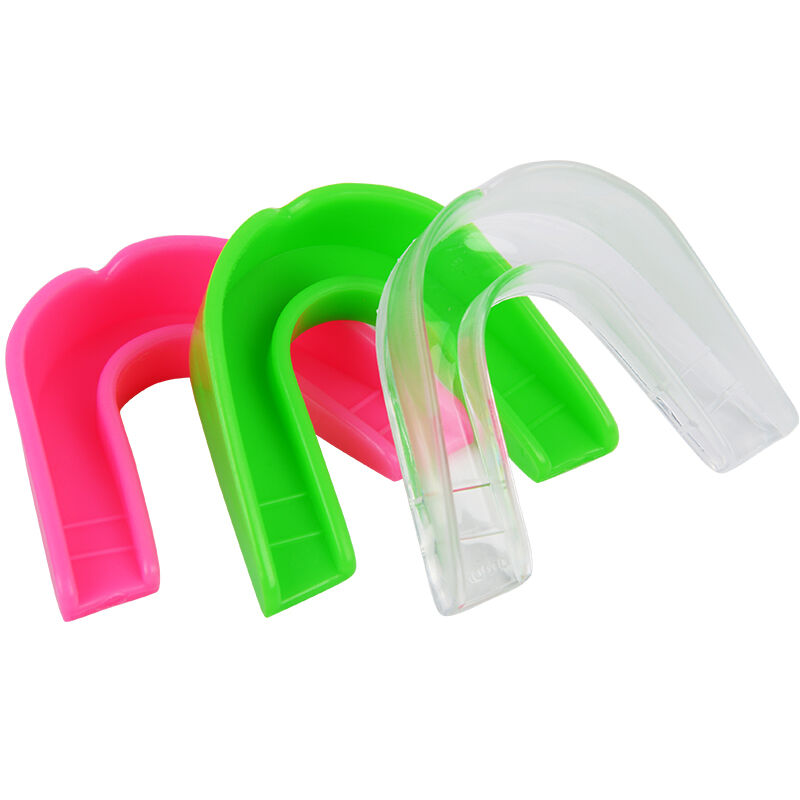
Boil-and-Bite Mouth Guards: Some Customization, But Always Thermal and Occlusal Restrictions
Boil-and-bite mouthguards consist of a foam-like thermoplastic material that is molded to the teeth after boiling. While they are better than the cheap mouthguards found in sports stores, they have many issues. They start to lose their structure and shape at around 45°C, which is a problem for outdoor sports in the sun. These mouthguards have been shown to absorb about 15% less impact than custom made mouthguards. Many users complain they don’t bite down into the guard as they are supposed to, which is a common complaint, especially for basketball players. About 41% of basketball players said they felt the jumps made their teeth get out of place, which is a huge issue considering the mouthguard is supposed to help eliminate that problem. These mouthguards lose their impact protection and comfort as the material continues to get worn down after three months, and then, after that, they provide less protection against the impact and are definitely not as comfortable.
"Made-For-You" Mouth Guards: Clinically Proven To Provide Impact Resistance And Functional Comfort
Most protection and performance dentists mouth guard class are made from special EVA material that is 2-3 mm thick in some areas and is vacuum formed. These mouth guards are 40% better than store bought boil and bite mouth guards in distributing impact force around the mouth and do not feel so bulky. Some manufacturers use digital scanning technology to create small breathing hole ventilation channels across the top of the mouth guard. These channels are shown to help improve airflow up to 27% during intense activities and thus allow for easier breathing. Most of the Fighting and training Custom Mouth Guards Edition have to be said for the ability to speak more clearly and to not have the bite soreness from the fights. What is most impressive and effective about these is not the thickness, and the place of the materials is key to the entire guard structure.
TPE vs. EVA: Thickness, Energy Dissipation, and Oral Compliance
The EVA foam used in mouthguards has been an industry standard for many years. What does EVA foam do? They absorb impact and, as a result, blunt trauma injury risks. The problem? In order for EVA foam to provide adequate impact absorption, it needs to be at least 4 to 5 mm thick. The thick solid EVA foam layers make it impossible to comfortably speak, breathe, or move your jaw. In contrast, thermoplastic elastomers (TPE) offer the same level of impact protection, but only 2 to 3 mm of TPE is necessary. In lab-based impact testing, TPE remains > 90% dispersed, but it also does not restrict jaw movement or provoke a gag reflex at greater than 90% dispersion. TPE's ability to be designed to the shape of the mouth also allows the mouthguard to remain in place during intense physical activity. EVA foam mouthguards may be less expensive, but that is why most performance-oriented professionals across all high impact and collision athletic industries have moved to TPE. TPE in mouthguards also provides less bulk and a custom adaptation to an athlete's mouth. Quite simply, a TPE mouthguard is a must when optimizing athletic performance.
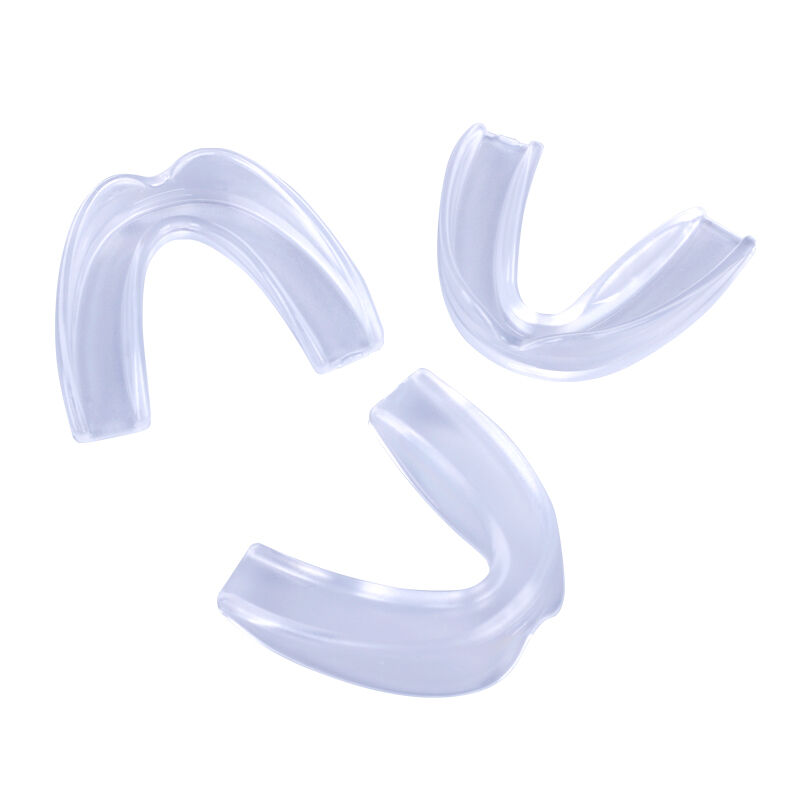
\nFunctional Comfort Metrics: Breathing, Speech, and Jaw Stability in Real Use Airway preservation: ASTM F2993-22 airflow resistance benchmarks across mouth guard categories For protective gear designed for long-term use, good breathability is essential, as airflow is critical to the user’s perception of safety and comfort. When airflow is restricted, the user's sense of effort increases, which can lead to reduced performance and a greater likelihood of removing the gear. According to the ASTM F2993-22 standard, a mouthguard type will greatly impact airflow. Off-the-shelf guards, for example, are known to create about 35% more resistance because of poor construction and ventilation problems at the guard palate. In contrast, custom fitted guards are known to meet the ASTM standards without compromising impact protection, implying that guides meet minimum resistance regulations and provide competitive athletes the ability to breathe through their noses, which is proven to be crucial, and frequent, airflow. That said, compliant guards in competitive environments offer their users about 66% more airflow than their non-compliant competitors.
Innovative vent designs indicate that no real compromise can be made between keeping jaws neutral and allowing for adequate breathing. Most effective are the bespoke airflow channels that elegantly and efficiently integrate the two considerations.
FAQs
Why is there a compromise between protective and comfort factors in the design of mouth guards?
The compromise exists because the use of more material increases impact absorption while simultaneously causing increased risk of suffocation, impaired communication, and increased tension in the jaws.
How much material should be used in the design of a mouth guard to ensure that other oral functions are not impeded?
According to the American Dental Association, the upper limit of occlusal thickness to ensure adequate protection while still allowing for other oral functions is no more than 3mm.
Why do mouth guards remain unused by a high proportion of athletes?
The primary cause of high rates of non-compliance is disruption to the jaws, difficulty with respiration, impaired communication, and the presence of friction caused by poorly designed mouth guards.
What is the optimal type of mouth guard in terms of comfort and protective factors?
By design, and due to the improved quality of materials used, custom made mouth guards provide the best impact protection in addition to optimal comfort and fit.
Why is TPE preferred to EVA in the production of mouth guards?
TPE protects with less thickness, offers better anatomical adaptation, and improved comfort without compromise to adequate dispersion of impact.