 EN
EN


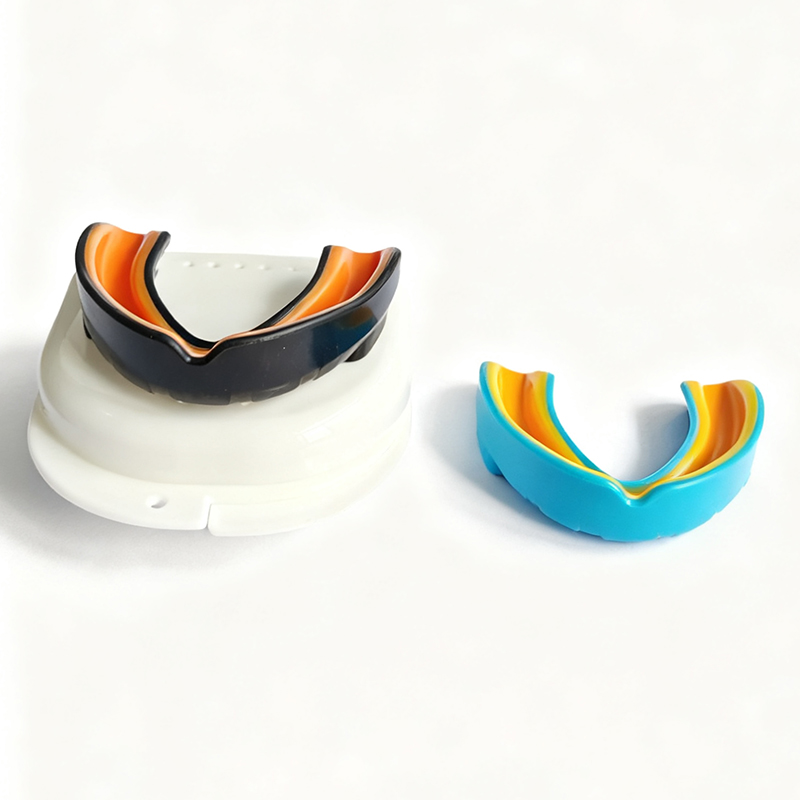
Why Getting a Custom Mouth Guard Boxing Fit Is Important for Safety and Performance
Having a mouth guard is not a good thing to have. It is protection from severe injury to your teeth and brain. Custom mouth guards not only stay in your mouth and provide protection against jaw motion injuries. Many mouth guards leave players at risk for concussion and severe tooth injuries when they do not stay in place during a hit. A study published in the British Journal of Sports Medicine stated that with the use of a custom and proper mouth guard, the risk of concussion could be reduced by 30 percent. Custom mouth guards do a better job at protecting the mouth because they allow for the force to be taken by the entire jaw, not just one point. It is understandable that the IBA and ADA would support this approach. There is a definite mechanical function of how these devices protect the head and face area that is injured during contact sports.
Mouthguards created to fit your individual dental structure: Safeguard movement of the jaw during head impacts and rotational injuries Keep wearing the guard and breathing unrestrictedGag reflexes do not get in the way of your focus and communication Sparring team dental guards assist participants in making sure the guard does not get moved during an active spar because this would create a focus problem. The guard is designed to be worn and remain in a passive position to reduce movement by other team members. Surveys indicate that custom designed guards result in 68% higher usage than other guards due to the improved protection.
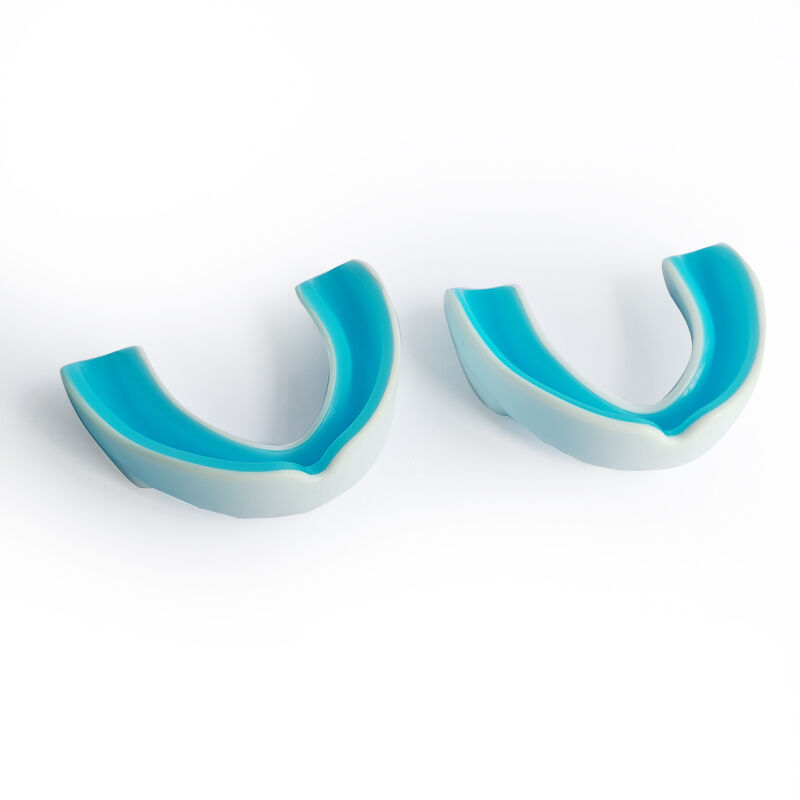
Steps to Personalize Your Mouth Guard Boxing at Home or By Someone Else
Proper Method for Boxing Mouth Guard Boil-and-Bite Technique
The comfort of boil-and-bite mouthguards is increased, but these can easily go wrong if not done correctly. Place the mouthguard in boiling water for 45 seconds, then dip in cold water for 10-15 seconds to cool. Then place mouthguard in mouth for 2 minutes, being careful to spread your bite evenly to ensure all teeth make contact with the mouthguard. Dental studies show that properly done boil-and-bite mouthguards reduce the risk of injury from impacts by 50 percent. When your mouthguard is too long, trim the edges with scissors, being careful to not disturb the teeth alignment. Some microwaveable mouthguards use thinner plastic, so be careful that the elasticity won't adapt. Mistakes like uneven scorching or uneven biting will worsen the mouthguard's shock absorption. Before using your mouthguard, thoroughly rinse in cool water to get rid of bacteria and to lock in your mouthguard's custom shape.
The Best Time to Get a Professional Dental Impression and an Elite-Level Mouth Guard for Boxing
For individuals who partake in competitive sports regularly, especially if they are in continuous sparring or are working with an existing dental issue such as bridges, crowns, or braces, it is even more critical to obtain a custom mouthguard from a dental lab as opposed to an over-the-counter mouthguard. The laboratory process takes into consideration the minutia of each person’s specific detail with regard to tooth placement, occlusion, and even the topology of the gums, which none of the molar or bite guards consider. Laboratory mouthguards are made from high-quality medical-grade silicons and absorb shocks up to three millimeters. This is particularly beneficial when someone is taking direct punches to the bottom of the jaw. In a study from the Journal of Athletic Training, it was shown that top-level boxers had a decrease of mouth injuries with properly fitted guards by four out of five.
It may take several appointments for optimally crafted mouthguards to be completed, adjusting for comfort and fit, and to be fit for your budget, they can range from $200-$500. They may be expensive, but most serious competitors and fighters find mouthguards to be worth the investment for the training and competition related injuries they help to prevent. These types of mouthguards also help enhance overall performance and provide the necessary durability to withstand the physical demands of combat sports like bag training and countless sparring sessions.
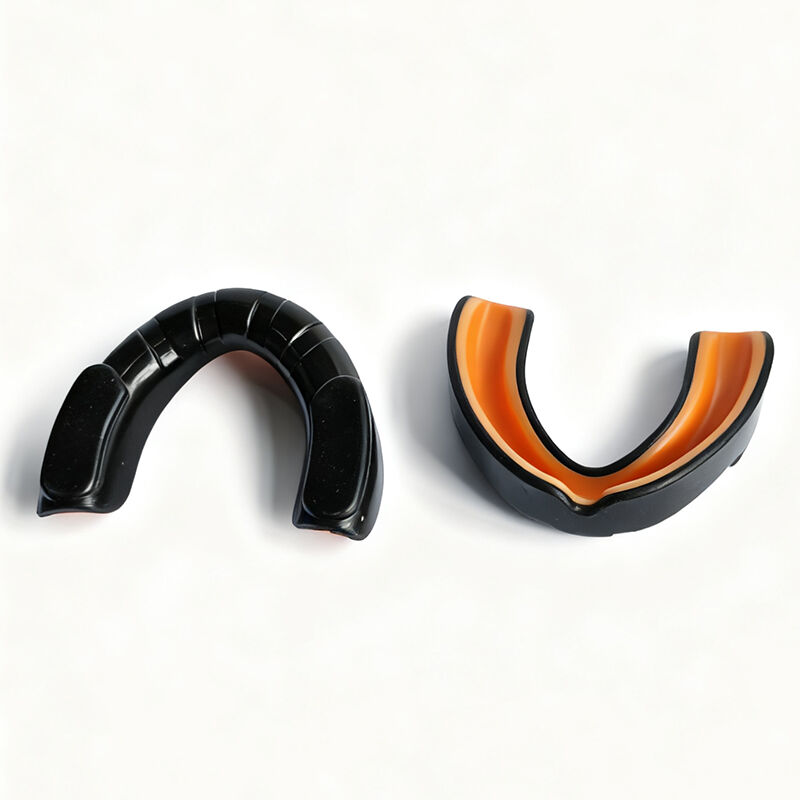
Fitting a Mouth Guard for Boxing
When boxers go there jn the ring, a mouthguard does not offer protection for their teeth, it needs to fit properly to ensure maximum protection against their opponents punches. Also, while sparring, mouth guards are needed that protect the teeth, while allowing the fighter to breathe and move their jaw normally. A study found that 66% of people wearing mouth guards that did not fit, had signs of during those rounds. Increased oxygen
reductions led to a noticeable drop in reaction speed, endurance, and mental clarity. There are three balancing factors that are essential to maintain the fit of a mouthguard and it's protective capabilities, while allowing a fighter to breathe and move normally without restriction. Neglecting to fit a mouth guard to these Oregon athlete 5 factors is risking the boxers health and the fighters chance of winning the unpredictable moments in the ring.
Validate all three parameters during realistic fitting simulations:
To test retention and vocal clarity, execute strong head rotations and hum.
Mouth breathing during the sprint in place for 30 seconds.
Alternate positions for the jaws during the lateral movement drills to achieve success.
Field observations show that proper balancing enables guards fighters to feel about 19 percent less tired during championship rounds.
Good sparring partners provide valuable real-time feedback during the training process. If a fighter fails to defend, or does not identify the fighter who is tiring, he needs to make adjustments. Also, do not forget to control the fit of the equipment at least every three months. This is especially true after strong changes in weight, after dental surgery, or after adjustments of braces. Week by week, the alignment of the equipment allows you to meet the tough physical standards of the sport.
Caring for and Replacing Your Mouth Guard for Boxing
When should I replace my mouthguard?
For your own safety and the safety of others, regular replacement is crucial. Although the general industry rule is to replace mouthguards every 6-12 months, the actual time frame is evidence-based and influenced by 3 specific factors:
- Physical Wear: After every training session, check for any thinning, tears, or distortion/deformation. Any compromised structure can be tested for impact absorption, and the ADA can determine a loss of 40% impact protection.
- Odor: Even with washing, a mouthguard can become a breeding ground for bacteria, and with time, odor, discoloration, or any changes in texture are a sure sign of the need for replacement.
- Your level of training: Competitive boxers should be replacing their mouthguards every 3 months. Recreational fighters could go up to 12 months of replacement, provided the mouthguard is in reasonable condition.
Kids participating in sports and individuals who get braces need to have their mouth guards checked every few months due to their fast, and constant, changes in bite patterns. You don't have to compromise quality. The International Boxing Association has proven that during hard hit training sessions worn mouth guards increase, by roughly, 25% the chance of concussions. This adds up week after week, with training sessions being high volume. Monitor the usage of your mouth guard, conduct checks for cracks and soft areas. Better to be safe than sorry.
What are the concussion risks with mouth guards?
Studies show, mouthguards are proven to lower the risk of concussions by 30% due to the way the impact is distributed to the jaw.
What is the difference between custom and store bought mouth guards?
The difference is found in the style and fit of the mouth guard. A standard store bought mouth guard will sit generically over the person's teeth, while custom mouth guards will be molded precisely to the shape of the person's teeth and jaws.
How often do I need to get a new mouthguard?
How often you need to get a new mouthguard depends on how much you train, how much you keep it clean, and how much it is worn or tared. Most people should get replacement guards every 6-12 months, but if you are a competitive athlete you should get a new mouthguard every three months.
Can I breath and perform at my peak if I have a mouthguard that doesn't fit?
Poorly fitting mouthguards can limit how you breath and your jaw movements. This can affect your overall performance, so it is very important to get your mouthguard fitted and customized.