 EN
EN


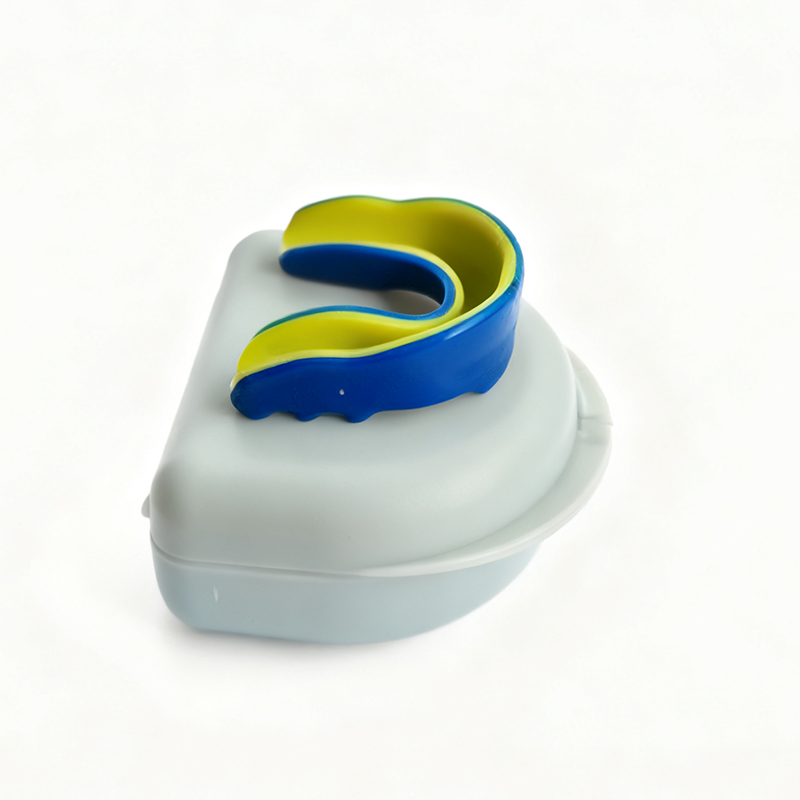
Why Cleaning Your Mouthguard Daily is A Must
Taking a mouth guard out onto the field without first cleaning it enables damaging bacteria build-up which can negatively impact teeth, gums, the guard's condition, and can also lead to serious health problems. Saliva plays host to a multitude of different bacteria, all of which are deposited onto the mouth guard when it is used. Once a guard is placed in the mouth, the bacteria are introduced to the perfect environment for rapid reproduction. Within a short time, bacteria can double in number 20 minutes. When a guard is used, and later cleaned, bacteria can be removed, but in the process, be able to form a biofilm. Once a biofilm is established on a sport mouth guard, it creates a perfect environment for the bacteria to thrive, increasing the chances of gum disease, respiratory problems, and serious infections throughout the body. Once a mouth guard has been used for a certain length of time, the plastic materials begin to breakdown and disintegrate as a result of the mouth guard's prolonged exposure to bacteria. This can produce hard and brittle mouth guards that have a terrible odor. Finally, cleaning a mouth guard impacts extends it's lifespan. Research shows that within a 48-hour period, the harmful bacteria on a mouth guard can reach dangerously high levels.
Incorporating daily cleaning into your routine can help stop this whole process to ensure their proper functioning and mouth guards are doing all that can be done to protect their users' general wellbeing.
Cleaning your Sports Mouth Guard in 3 Easy Steps
Step 1: Rinse with cool water to get rid of your saliva and whatever debris is on the mouth guard.
As soon as you remove your mouth guard, make sure to rinse it with cool water and do this as soon as you can, definitely no longer than 10 minutes. Doing this rinses away 70% of bacteria and food debris trapped in the saliva and helps to prevent them from bonding to the plastic. It's important to note that you should never use hot water as it could warp the plastic or melt the thermoplastic creating little pockets that can trap bacteria. Mouth guards that are not rinsed see bacteria grow to twice the level as those that are rinsed.
Use a Mild Abrasive Cleaner and a Soft-Bristle Toothbrush
Once your items are rinsed, you can start scrubbing all surfaces with a gentle toothbrush and a diluted castile soap solution instead of a harsh cleaner. Use gentle circular motions, as you do not want to damage the surfaces, and keep the biofilm to a minimum. Some scratches our eyes can not even see can collect more bacteria than smooth areas. This was brought to light by the International Journal of Sports Science in 2024. By the way, just as an aside, toothpaste is not recommended, as it is going to scratch the surface even more. If a good routine is adhered to, a number of studies showed that people are eliminating over 90% of the Streptococcus mutans, the bacteria that cause cavities.
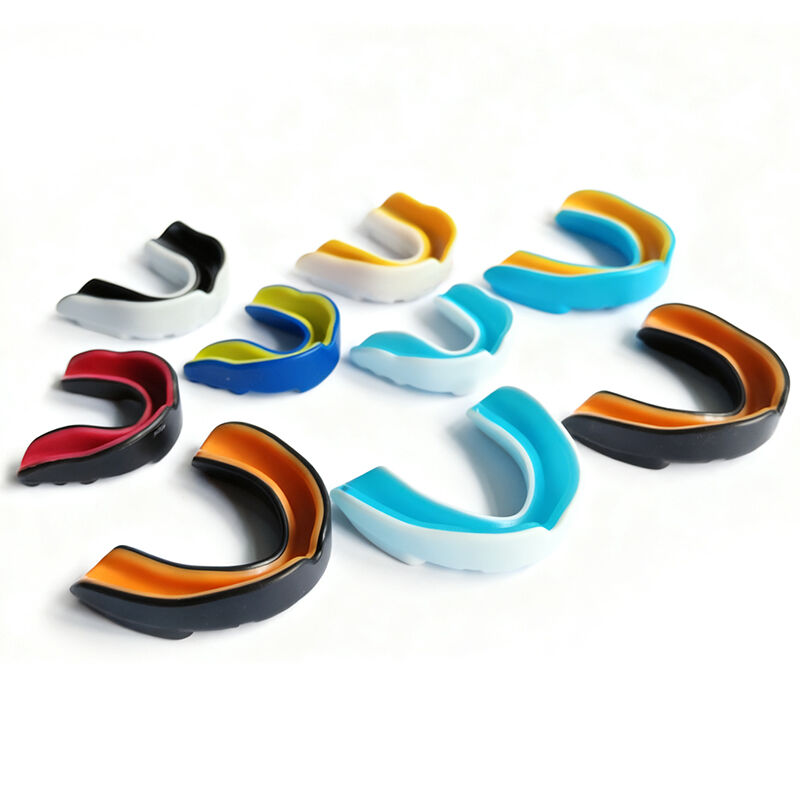
Air-Drying Your Mouth Guard Before Storing It Will Help Prevent Biofilm Bacterial Growth
After cleaning your mouthguard, you need to dry it by patting it down with a clean lint-free cloth. Once you have done this, dry the mouthguard for about a half hour and if you have the time, for an hour or more. The longer you can keep it dry, the better it is for the mouthguard. From 2023, the reports of Applied Microbiology state that if microorganisms have a moist environment, they will reproduce and double their population. That’s a pretty significant growth. Instead of sealing the mouthguard in a container, you should keep it in an open container. The mouthguard should be kept out and given time to dry and keep moisture in the air. An unsealed container will lower your chance of getting an infection by a large amount, about two thirds to be more specific. Mouthguards will only last longer if they’re given an appropriate amount of time to dry. This is because after a long time, the acid in your mouth will start to break down the material and make it so that the mouthguard will be unsafe to use.
Best Ways To Deep Clean Mouthguards Safely and Make Them Last For Many Years
Best Cleaning Methods Are: Antimicrobial Mouthwash, Baking Soda, and Denture Cleaner.
For the deep clean to be considered a deep clean, it needs to clean for an awful long time. Weeks worth of cleaning and for your mouthguard to be considered clean, you will need to soak your mouthguard in one of these three things: Antimicrobial mouthwash that has been diluted in a 1:1 ratio. This will have you mouthguard clean of all the bacteria that have built up.
Baking soda paste (1 tbsp mixed with water) creates an alkaline environment to neutralize acid-producing microbes.
ADA approved denture cleaners use effervescent action to dissolve organic debris but not the materials.
A 2023 Journal of Dental Hygiene study showed that bacteria colonies were reduced by 98% with soaking compared to just rinsing. This is what the study exemplifies.
Soaking is a longer process, rinsing is shorter, and the longer process is more effective.
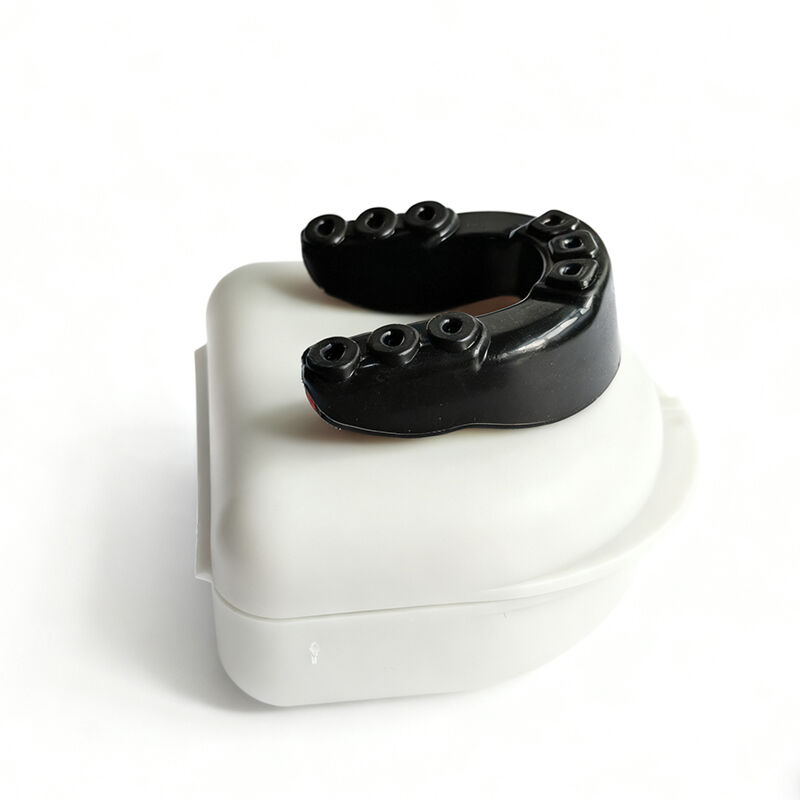
Wash your denture in a ventilated area and rinse your denture with cool water and air dry to prevent the incursion of chemicals.
Essential Storage Suggestions to Avoid Bacterial Recolonization Of Your Sports Mouth Guard
Use Ventilated Clean Cases- Why Sealed Cases Cause Microbial Growth
When sealed cases trap moisture, it becomes a breeding ground for bacteria, including Streptococcus mutans. Research shows that these little organisms can multiply about three times faster from a single sealed environment within a single day according to some findings published last year. The moisture creates a favorable environment for bacteria to recolonize surfaces that look clean to the eye. For this reason, many bacteria explain that cases with holes or vents are better. They vent at least 50% of the moisture that would otherwise be trapped to prevent the growth of bacterial films. The cases need to be cleaned with soap, and allowed to dry fully to ensure that bacteria does not recolonize the surfaces. Ventilation can be the difference for bacterial colonization.
FAQ
How often should I clean my sports mouth guard?
To prolong the life of the mouth guard and prevent the buildup of bacteria, daily cleaning is necessary.
Is hot water safe for mouth guard cleaning?
Using hot water can melt the mouth guard, so instead, use cool water.
What storage should I use for my mouth guard?
A mouth guard storage case that is well ventilated is best to minimize microbial growth.