 EN
EN


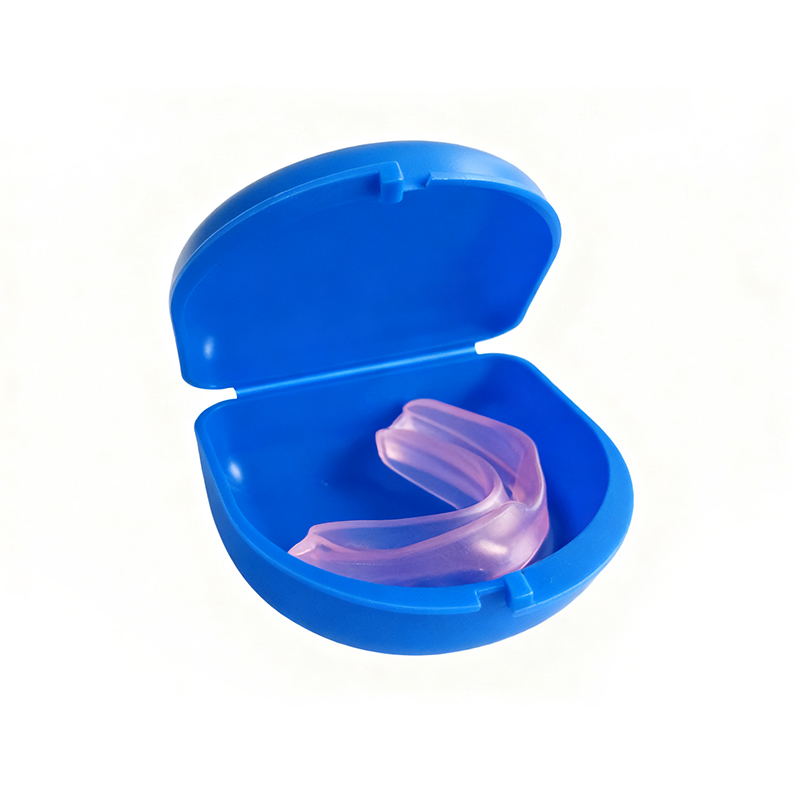
Why Snoring Happens During Nasal Congestion: The Anatomy and Mechanics Behind It
Nasal Valves and Resistance to Upper Airway Flow
When nasal passages get congested, it results in the swelling of nasal tissues, especially at the nasal valves (the upper airway structure). During this time, nasal valve tissue collapses and resistance to the airway greatly increases. The effect of this collapse is resistance of the upper airway flow to the extent of 300% (Young et al., 1997). This results in turbulent airflow to the degree of causing supraglottic soft palate tissue and tissue surrounding the palate to vibrate, thus snoring. Recent studies have proved nasal congestion to be the law of nasal valve collapse whereby the majority (68%) of the tested population with nasal congestion and snoring exhibited nasal valve collapse. This suggests that nasal valve collapse is a major factor in the disruption of soft palate tissue.
Differentiating Between Structural and Temporary Obstruction: Implications for Snoring
Temporary obstructions, such as allergies, rhinitis, or nasal irritants, respond well to the use of nasal strips. These devices have been shown to increase nasal airflow by over 31% in mild cases (Journal of Sleep Medicine, 2021). However, structural obstructions, such as septal deviation, nasal turbinate hypertrophy, and nasal polyps, respond poorly to a similar degree of nasal dilation, up to 74% in the case of nasal strips. These imbalanced interventional devices, nasal dilators, and nasal strips have been shown to affect nasal flow simultaneously. Different classification of nasal obstruction determines the boundaries for the use of a clinical device to relieve nasal obstruction and the need for a clinical diagnostic device to provide the same level of obstruction relief.
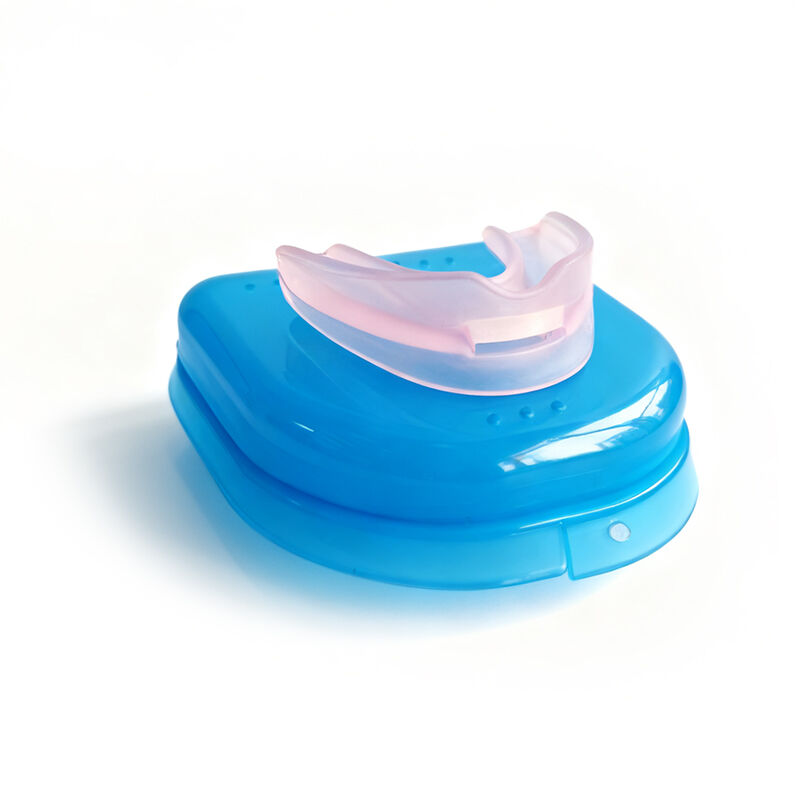
Do Anti-Snoring Devices Help with Nasal Congestion–Related Snoring?
Do External Nasal Strips Work?
External nasal strips attach to the outer surface of the nose to pull the nasal valve open and decrease resistance on the inhalation side, allowing for easier airflow. In congestive snoring, the reduced resistance of nasal breathing can be up to 30%. However, external nasal strips have been shown to work best for short-term nasal congestion due to reversible and mild inflammation. This study demonstrated that 42% of the study population reported a decrease in snoring, and the other 58% of the study participants reported little to no change in snoring, with a majority of participants reporting that their congestion was due to a severe structural issue. While external nasal strips are noninvasive and low risk, they are ineffective for pharyngeal or tongue-based snoring or deeper sources of congestion that are beyond the valve.
Do Internal Nasal Dilators Work?
Internal nasal dilators position the lateral walls of the nasal passage open through the use of a flexible support structure. This support structure allows inner walls of the nasal passage to remain open, preventing the walls from collapsing, while also reducing airflow turbulence, and tissue vibration. While clinical studies have shown that internal nasal dilators can reduce Congestion Snoring (along with in-home humidification) by as much as 50%, it has also been reported that 1 out of 5 people (20%) of those who attempt to use nasal dilators as a snoring solution discontinue use, primarily due to discomfort and lack of fit.
The Unmasking: Why Anti-Snoring Devices Are Ineffective
The collapse of the tongue, laxity of the walls of the pharynx, and laryngeal vibration lead to snoring that originates outside the nasal cavity. Anti-snoring devices tend to be ineffective when snoring is the result of these phenomena. Even for nasal, rather than extranasal, snoring, the degree of nasal obstruction impacts the efficacy of these devices. Clinical data show that for cases of mild nasal obstruction, anti-snoring devices result in approximately 60% improvement, while for cases of severe obstruction, do not provide a significant result. Most importantly, snoring that is growing more pronounced, and which, in particular, is the subject of witnessed pause breathing, daytime sleepiness, and episodes of breath gasps, may represent a case of obstructive sleep apnea. Sleep apnea that is not diagnosed by a specialist should not be treated by these devices; opt for a formal sleep study and, as needed, specialized sleep therapy, which may be in the form of Continuous Positive Airway Pressure (CPAP) therapy or oral appliances.
The Most Efficacious Method: Combination of Anti-Snoring Devices and Nasal Decongestion
Integrating Saline, Topical Decongestants, and Humidifiers
Allergic rhinitis leads to the build-up of mucus and debris, causing a loss of the mucociliary layer in the nose. Isotonic Saline helps restore the mucociliary layer. Short-term usage of a decongestant, such as oxymetazoline, result in a targeted reduction of edema. They can lead to the more serious side effect of rhinitis medicamentosa and should therefore be limited to a maximum of 3 days. Though airways typically become increasingly obstructed by the accumulation of viscous secretions, many humidifiers can be placed in the 40-60% range of room humidity, which prevents the airway from becoming dry. These synergistically can be used to decongest and reduce swelling while saline is utilized to maintain mucosal wellness rather than creating secondary irritation. Combining these supports with nasal devices, such as a nasal dilator and daily saline nasal rinses, studies have shown 37% greater reduction of snoring than using the device alone when nasal congestion is mild. Inadequate device therapy impacts the mechanics and the inflammation of the nasal mucosa. These do not obstruct airflow.
When it's Time to Find a Doctor: Signs that Anti-Snoring Devices can't Help Situations
Nasal Polyps, Chronic Rhinosinusitis, Deviated Septum- Over the Counter Solutions Won't Help
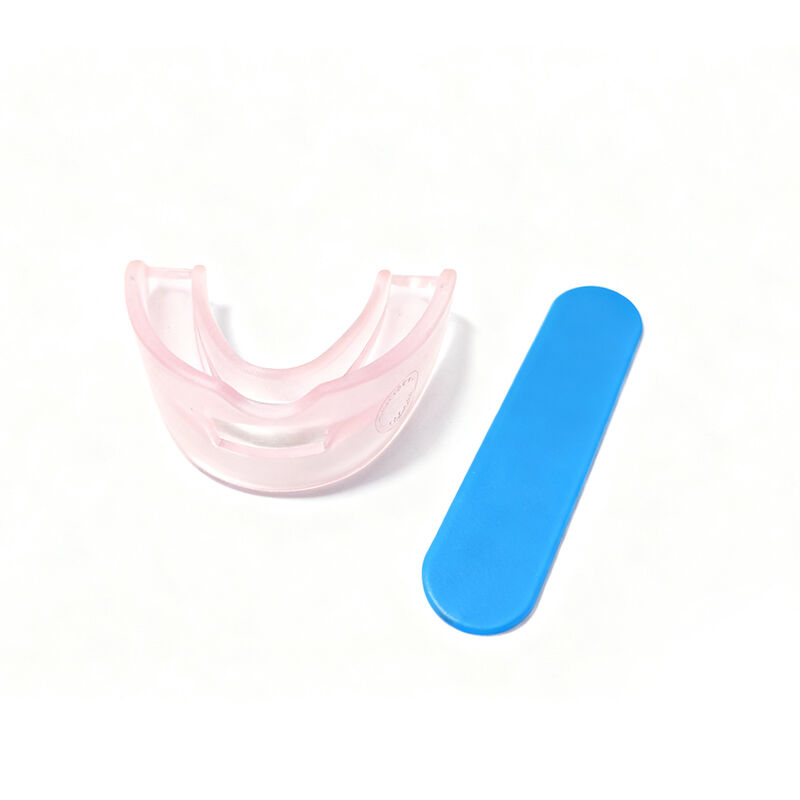
If you have snored and used nasal strips or nasal dilators over and over again, along with facial pressure, chronic nasal discharge, post nasal drip, or sleep apnea, you may have a some kind of pathology. Post nasal drip and inflammation that causes nasal airway obstruction means there is a fixed or recurrent airway obstruction that cannot be resolved by over the counter devices. In these situations, an objective diagnosis is required. Other conditions that may be a problem are chronic sinusitis, post nasal dilating, or nasal polyps. These conditions also require nasal obstruction. Unfortunately, not all physicians know the difference. An Ear Nose and Throat physician will be able to tell the difference so that treatment is not simply symptom directed.
Questions
What role does nasal congestion play in snoring.
Nasal congestion causes the nasal tissues to swell. This wall is an important barrier that is around the nasal cavity and collapses and increases airway resistance which in turn increases the turbulence of the air flow, causing the tissues to vibrate as resistance causes and increases the turbulence around the nasal valve due to the tissue wall causing and increasing vibrations. This leads to turbulence around the nasal valve increasing turbulence which causes snoring.
Can anti-snoring devices be used to try to solve nasal congestion related snoring?
Some OTC devices like nasal strips and nasal dilators can help nasal congestion related snoring which is not bad. However, these devices won’t help in the presence of any structural obstructions.
What are some other options to help nasal congestion related snoring?
Yes, there are some other options to help reduce the nasal congestion related snoring like anti-snoring devices and nasal congestion like decongestant drops and nasal saline sprays as well as appropriate indoor humidity that can be maintained. Proper indoor humidity will help reduce nasal congestion related snoring.
When is it necessary to get medical treatment for snoring?
Persistent snoring that is not alleviated by anti-snoring devices should be evaluated by a medical professional if facial pressure or chronic nasal drip is experienced, or if pauses in breathing are noted. These signs suggest the presence of a medical condition that causes snoring, such as a deviated nasal septum or nasal polyps.