 EN
EN


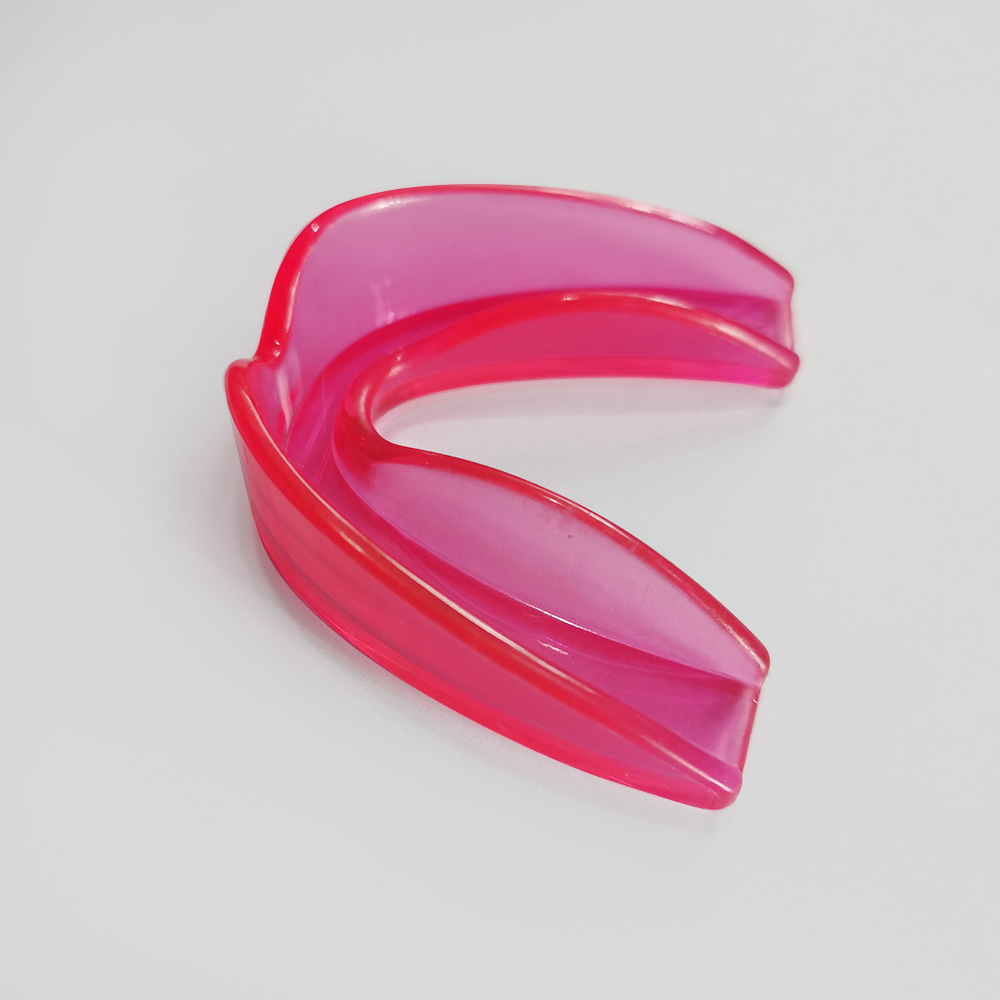
Bruxism and its Contribution to Jaw Pain and TMJ Stress
How chronic teeth grinding (bruxism) overloads jaw muscles and the temporomandibular joint
Bruxism is an unconscious behavioral tendency and is thus considered a parasomnia. It can occur in wakefulness, but is most commonly associated with sleep and its associated parasomnias. The amount of force that can be generated is high; about 2 to 3 times the normal amount of force that a person would exert when chewing. The temporomandibular joint (TMJ) and the auxiliary jaw muscles that support the jaw are subjected to high levels of stress. According to Pocket Dentistry, 10 percent of the adult population is affected by nighttime bruxism and is largely unaware that they have the disorder. The repetition of this sort of action or behavior creates micro trauma to the cartilage that is in the jaw joint and holds certain facial muscles (temporalis, masseter) in a tight position. This complex apparatus, the TMJ, is subjected to mechanical wear and tear over time due to the inflammation and the ongoing stress that are the result of these conditions.
Waking up with an achy mouth can mean that sleep bruxism strains the Muscles. One of the common reasons for popping or clicking joints is the presence of an overworked disc that gets displaced due to the movements of the joint. It is possible that some of the headaches have their origin in the muscular system of mastication that are capable of eliciting pain in the head. These all show indications of true strain in the tissues of the orofacial area. Most studies show that 85 up to 90 percent of the problems that affect TMJ are primarily of muscular origin according to a publication in Nature last year. This strain is very real, and the longer it is ignored, the more serious the eventual consequences will be like bone remodeling, pain, and the loss of the ability to move the jaw in a functional manner. This explains the reason why these signs are very important to the success of the treatment.
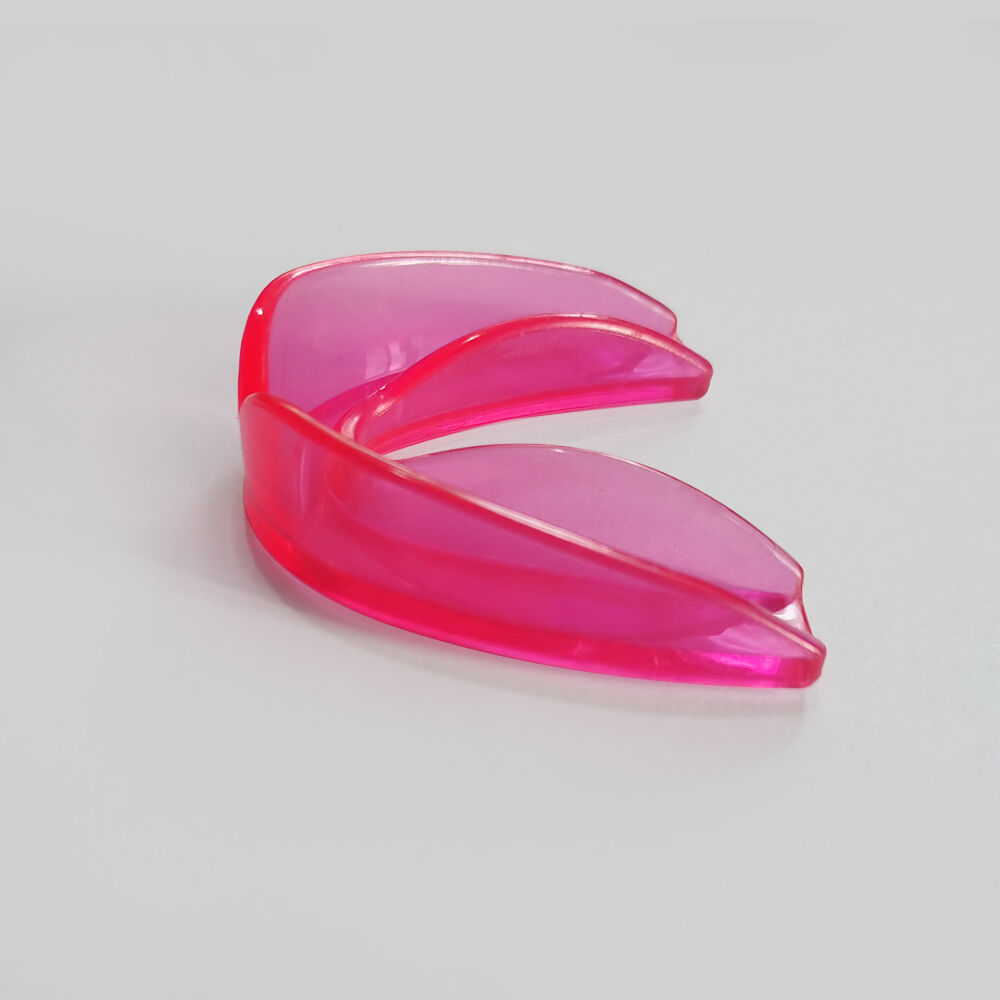
Targeted Jaw Protection from Anti-Grinding Mouthguards
Redistribution of Pressure: Jaw Muscle and TMJ Protection
Most mouthguards for grinding are like shock absorbers for teeth. They create space between the upper and lower teeth, which helps mitigate the breaching of over 250 pounds per square inch of biting pressure. These pressures typically hit the muscles and joints of the jaw; mouthguards spread the pressure, aiding in the prevention of ‘micro-tears' in muscles of the jaw while reducing the pressure on the joint itself. Over time, this will result in less swelling and better protection of the cartilage. After 3-4 weeks of usage, dentists report that most users feel a noticeable reduction in sore jaw pain from their mouth guard.
Neuromuscular modulation: lessening night-time muscle hyperactivity via proprioceptive feedback
Therapeutic mouthguards protect teeth in a mechanical sense, but they also provide a neuromuscular regulation benefit. When therapeutic mouthguards are in, they activate some receptors located in the periodontal ligaments of the teeth. These receptors then send a message to the brain stem that the body needs to stop clenching. Studies show muscle activity drops by 60% in the masseter and temporalis muscles. Hence, therapeutic mouthguards are much more useful in the treatment of bruxism than the previously used medications to treat bruxism. After a period of time, many patients' entire neuromuscular apparatus adapts to a posture where they are more relaxed in their sleep. For those who frequently grind their teeth, they may find a relief from tension headaches and less tooth wear from bruxism.
Clinical Research Focusing on Anti-Clenching & Grinding Devices to Alleviate Jaw Pain
Clinical studies exhibit the benefits of anti-grinding mouthguards for jaw pain and teeth grinding issues. Studies show that the devices can eliminate teeth grinding episodes by 70% and reduce the work of the jaw muscles during sleep. Most participants in the studies notice the benefits in the short term. Four weeks of use is often enough to report a 60% reduction in morning jaw pain and 45% reduction in tension headaches. How is that possible? These devices do two things. They absorb the force of the bite, reducing damage to the teeth and interfering with the muscles that cause the grinding. In a study to assess the effect of medical grade devices with custom fittings, doctors continued to observe positive effects for one year in 80% of the participants. This demonstrates the devices use can effectively recommend by many dentists to promote healthy jaw use over long periods of time.
Selecting Anti-Grinding Solutions: Custom vs. OTC for Jaw Health
The Need for Custom Anti-Grinding Mouthguards: TMJ Disorders and Severe Bruxism
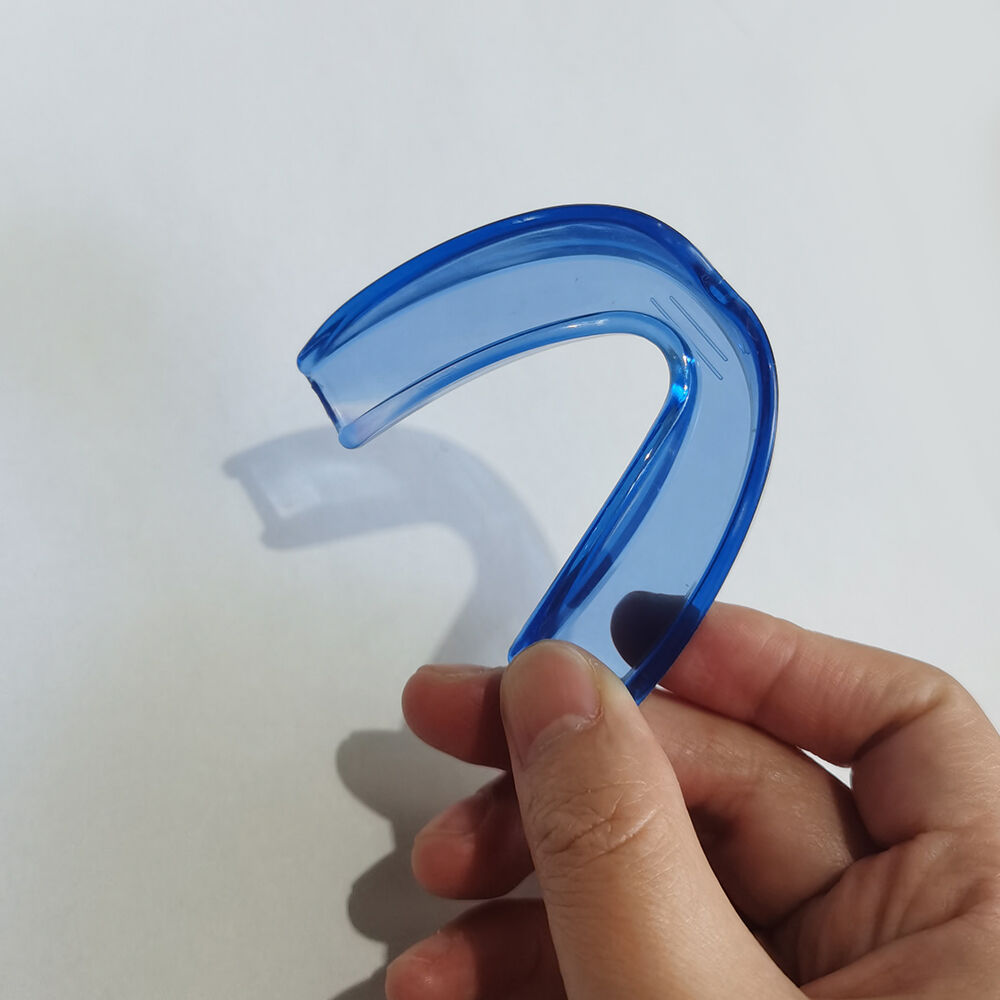
Patients with TMJ problems or severe grinding problems must get dentist-made custom mouthguards. Drugstore mouthguards are not only poorly fitted, but they also might worsen problems by causing additional stress on the jaw joints and creating new bad bite patterns. Professionally made mouthguards are made from the exact dental impressions of the patient, which allows for better even distribution of the pressure exerted across the dental and muscular structures of the jaw. This helps to relax hyperactive masticatory muscles, reduce the inflammation associated with the jaw joints, and prevent teeth from undergoing destructive attritional processes. This is of particular importance for patients who suffer from jaw pain, crepitus in the jaw joints, and reduced range of mouth opening. Having a custom mouth guard is not just about providing comfort, but it is also about addressing the problems of the patient in the context that it is better suited to the mouth. Dentist are confident that nothing is as effective as an appliance made for that individual’s mouth, and they don't expect their patients to achieve long-term comfort from an appliance. It is also expected that patients won’t attain long-term health of the jaw joints from an appliance that is not custom made.
FAQ
What is bruxism?
Bruxism is an uncontrollable condition of grinding, clenching, and gnashing of jaws and teeth, which is mostly contracted during sleep and is currently, stress is focused on the jaw and TMJ.иваем бок о бок и переворачиваем друг под друга, и разжимаем
What are the signs of bruxism?
Some of the signs of Bordetella include sore jaws, jaw clicking, and jaw motion obstruction.
What is the goal of an anti-grinding mouthguard?
Anti-grinding mouthguards are intended to shift the load and stress of teeth grinding through the jaw and smooth, and allow the neuromuscular system to decrease the jaw muscle hyperactivity, thereby providing antagonistic protection to the jaw and the teeth.
Should I wear a mouthguard that is custom made?
Yes. Just because, if your TMJ is fragile or your bruxism is higher, custom made mouthpieces will consider the best defense and the best offense by fittеing and equalizing the stress and the defense.